
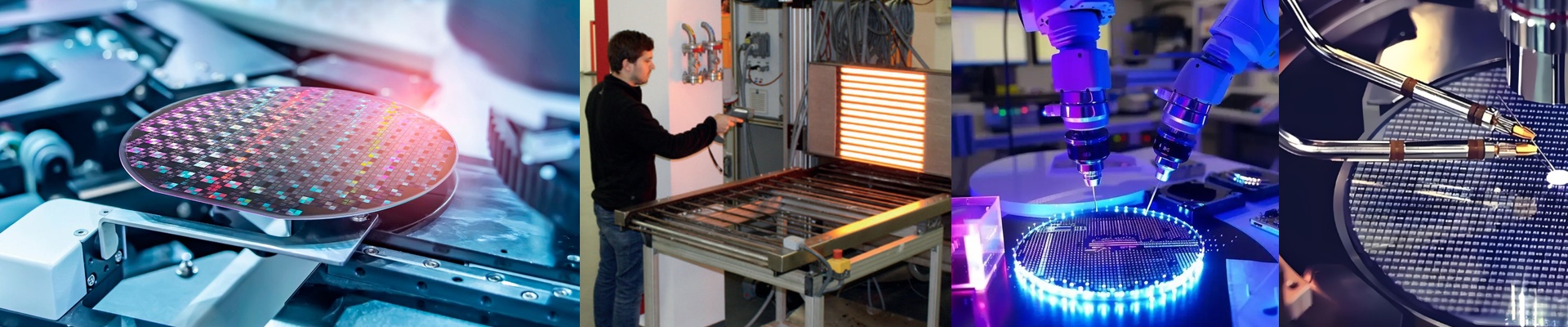

On the line, catalyst layers need drying that leaves zero room for guesswork. Underbaked, they trap solvent and you get delamination. Overbaked, you burn off active surface area. Either way, you’re burning material and scrapping cells. We built the fuel cell catalyst drying lamp to live in that reality—temperature control and cleanliness done to semiconductor standards.
What matters under the hood
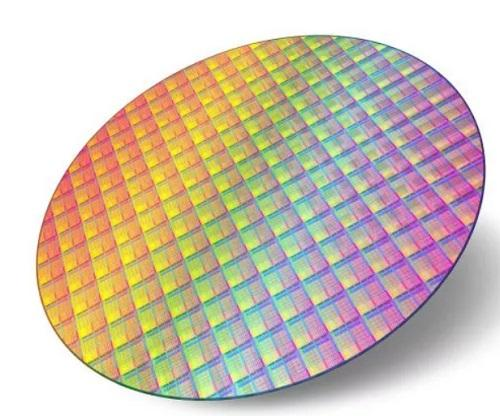
We pair a short-wave IR emitter with quartz optics so the heat hits fast and spectrally selective. It drives through the catalyst film without scorching the substrate. Across the active zone, wafer-level uniformity holds at ±0.1°C, so every batch gets the same thermal budget. The lamp head is cleanroom-compatible from Class 1 to Class 100, and it doesn’t shed particles once it’s running.
Output stays stable within 0.1%, and repeatability is traceable to calibrated setpoints—SPC charts that will stand up in an audit. It’s pulled draw for high throughput, and you can match the thermal profile to the solvent-out curve for the catalyst inks you’re running.
Why it plays in fuel cell manufacturing
The drying step sets the pace for coating, catalyst deposition, and everything that comes after. This lamp cuts the thermal segment without beating up film integrity, so cycle time drops while critical dimensions hold. The clean profile keeps particle counts flat, which protects yield and keeps your equipment up.
The thermal discipline carries over from photoresist work, too. Soft bake and hard bake behave predictably, and the process window opens up. You end up with consistent catalyst loading, fewer reworks, and less energy per part.
What you need to plan for
The lamp drops cleanly into existing coater-dry tracks, but it needs a dedicated, stabilized power supply and a verified match to your substrate stack thermal load. You have to qualify the lamp profile against each ink formulation—solvent flash points and film thickness shift the right time-temperature curve.
Once it’s qualified, the system runs 24/7 with minimal maintenance. Just keep quartz components on a preventive inspection schedule, especially in high-humidity environments.