
Keeping Your Bathroom Infrared Heaters Safe (And Dry)
Putting infrared lamps in a bathroom is a bit like playing a game of cat and mouse with moisture. Steam and water are everywhere, and as we all know, water and electricity are a dangerous mix. If your insulation isn’t up to the task, you’re looking at short circuits or, worse, a ground fault. Here is how we actually handle the technical side of things to keep everything safe.
Stopping the Leaks
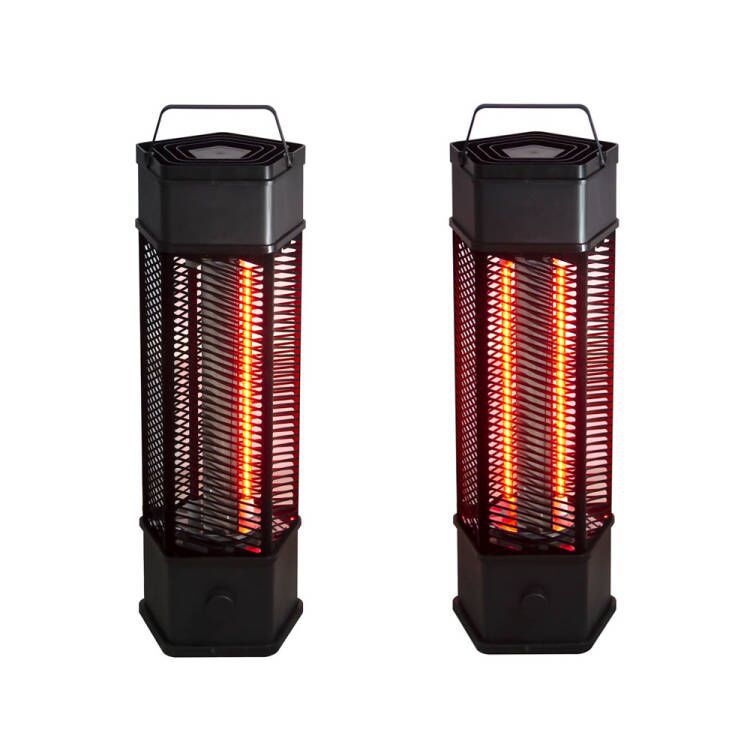
Standard infrared tubes just won’t cut it in a steamy shower room. We use a specific kind of quartz glass that can handle the electrical load without breaking a sweat. The real battle happens where the electrodes hit the glass. If steam sneaks into that halogen gas chamber, the filament is toast—instantly. That’s why we use hermetic sealing. It’s basically an airtight lock that keeps the moisture out. For the wiring, we skip the usual PVC and go with silicone-insulated leads. Silicone doesn’t melt under the lamp’s heat and it laughs at humidity. Oh, and make sure your housing is rated IP44 or higher. It’s the only way to keep splashes away from the live parts.
Grounding: Your Safety Net
When it comes to bathroom safety, “leakage current” is the scary part. To fix this, we wire a dedicated earth ground directly to the metal chassis. Think of it as a detour. If a wire frays or a seal finally gives way, the electricity takes the path of least resistance into the ground and trips the breaker. It doesn’t go through you. But look, no matter how good our insulation is, you still need an RCD or GFCI. It’s your last line of defense. Don’t skip it.
The Balancing Act: Heat vs. Water
Here is the tricky part. If you wrap a heater in a heavy-duty, waterproof box and seal it tight, you create an oven. The heat gets trapped around the base, the connectors get too hot, and the lamp dies a lot sooner than it should. It’s a trade-off. You want it waterproof, but the unit still needs to breathe. We’ve found that vented housings are the way to go. They let the heat escape while still blocking the water from getting where it shouldn’t. It keeps the lamp happy and your bathroom warm.