Getting a Cold Changing Room Warm—Fast
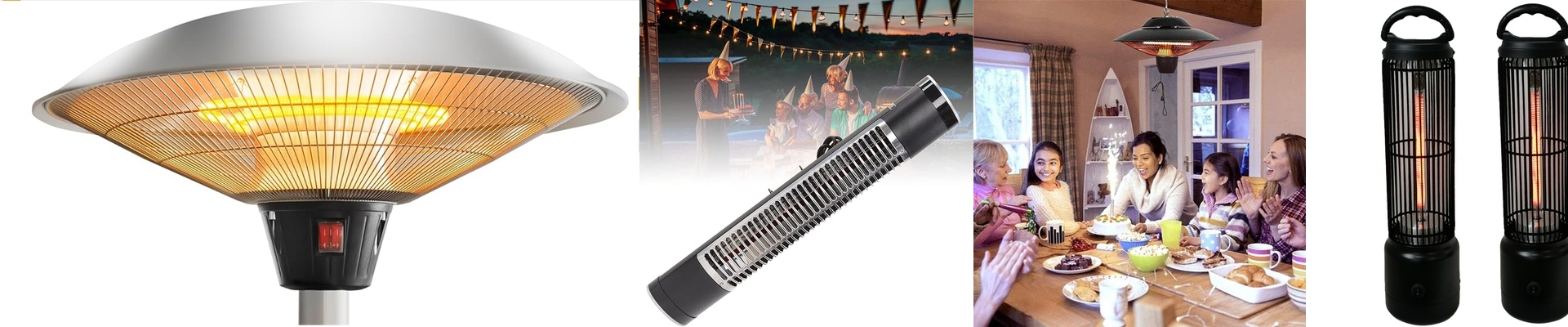
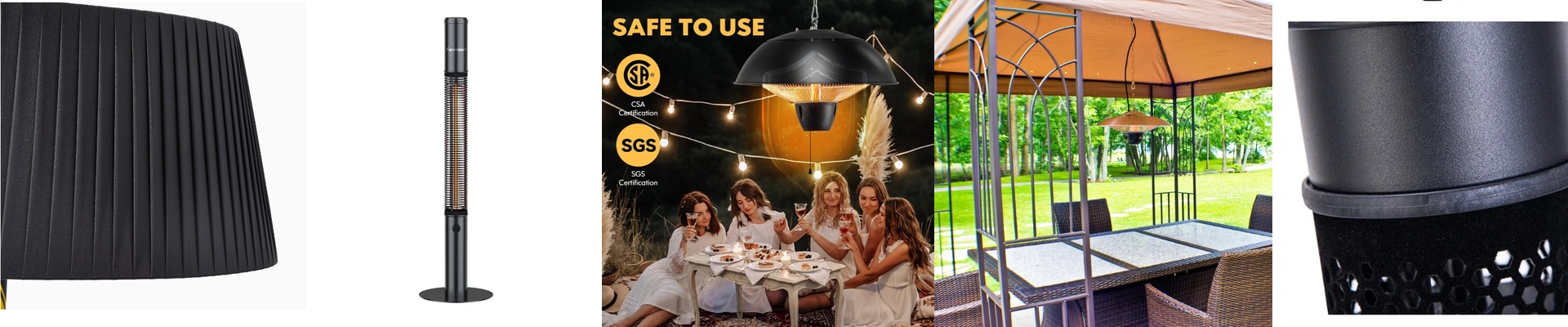
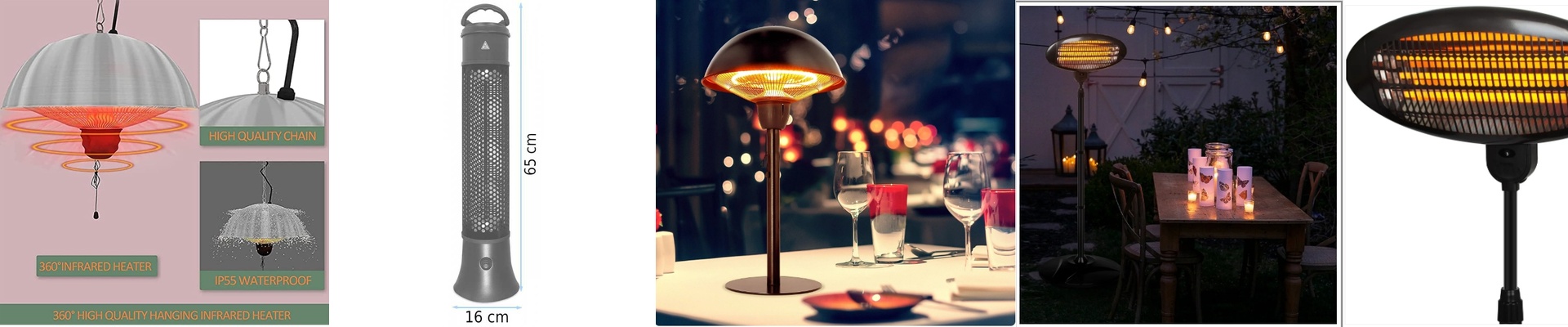
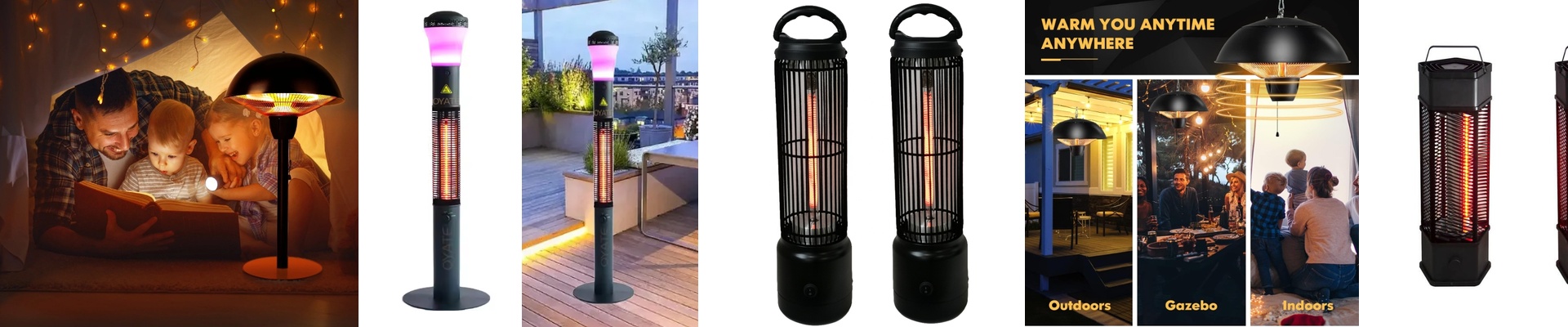
Imagine stepping into a locker room or a spa after a swim. It’s freezing. You don’t want to wait twenty minutes for a heater to slowly warm up the air; you just want to feel warm now. That’s where short-wave infrared (SWIR) comes in. Instead of trying to heat the entire volume of air in the room, these elements send heat directly to your skin and the surfaces around you. It’s an immediate sensation. But since we’re talking about wet environments, you can’t just throw a heater in there. You need an IP65-rated enclosure. Without it, moisture and dust will find their way in and short the whole thing out. Simple as that.
How the “Instant Heat” Actually Works
We use quartz-halogen tubes for this. Inside a quartz envelope, there’s a tungsten filament surrounded by halogen gas. The gas is the secret sauce—it lets the filament run way hotter without burning out. Because the wattage density is so high, the heat is practically instant. You flip the switch, and you feel it. No waiting around.
The Trade-offs: Protection vs. Performance
An IP65 rating basically means the unit is dust-tight and can handle a blast of water without breaking a sweat. We seal the connection points—usually R7s or Sk15 bases—with high-temp silicone or gaskets to keep the water out. Now, quartz is great because infrared rays pass right through it. The downside? It’s brittle. If you’re installing these in a place where things get bumped or there’s a lot of vibration,put a protective grate over them. You don’t want a stray bag or a clumsy guest breaking a tube. Also, if the heat feels too intense, a coated tube can soften the glow, making it feel a bit more gentle on the skin.
A Few Tips for Installation
These are designed as drop-in replacements, which makes life easy. Just make sure your voltage and wattage match your existing ballast. If they don’t, you’re going to blow a fuse. One thing to watch out for: these elements put out a lot of localized heat. If you cram too many of them into a small ceiling space, you might actually warp the fixtures around them. Give them some breathing room. And make sure your ventilation can handle the air once the room finally hits that cozy temperature you’re looking for.