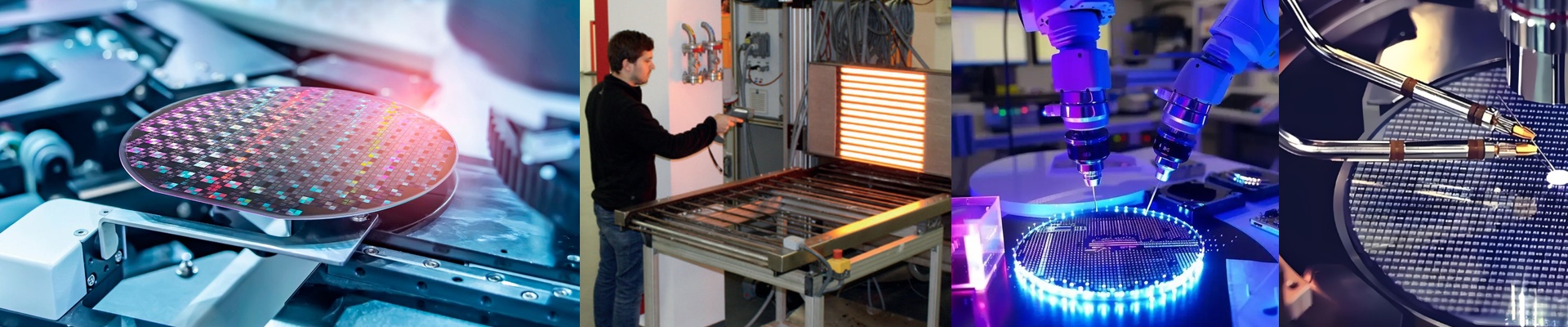
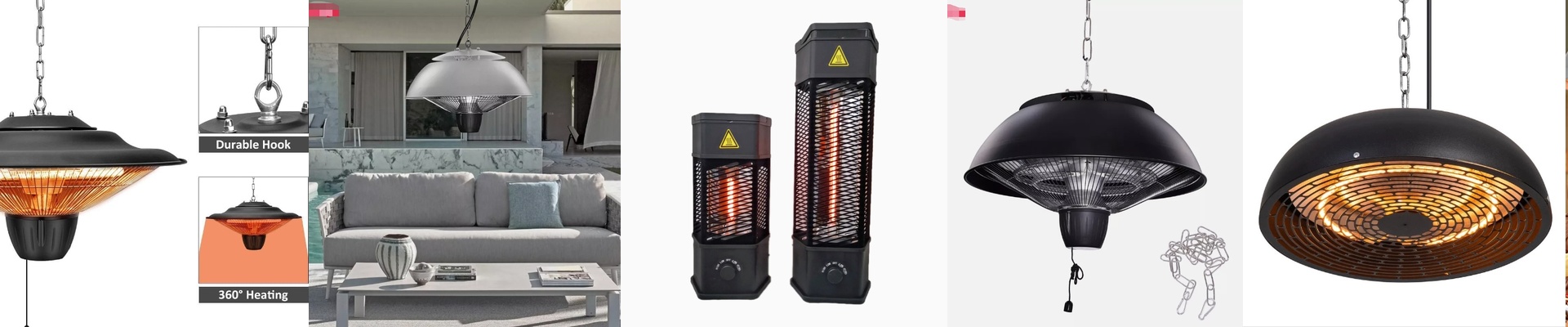
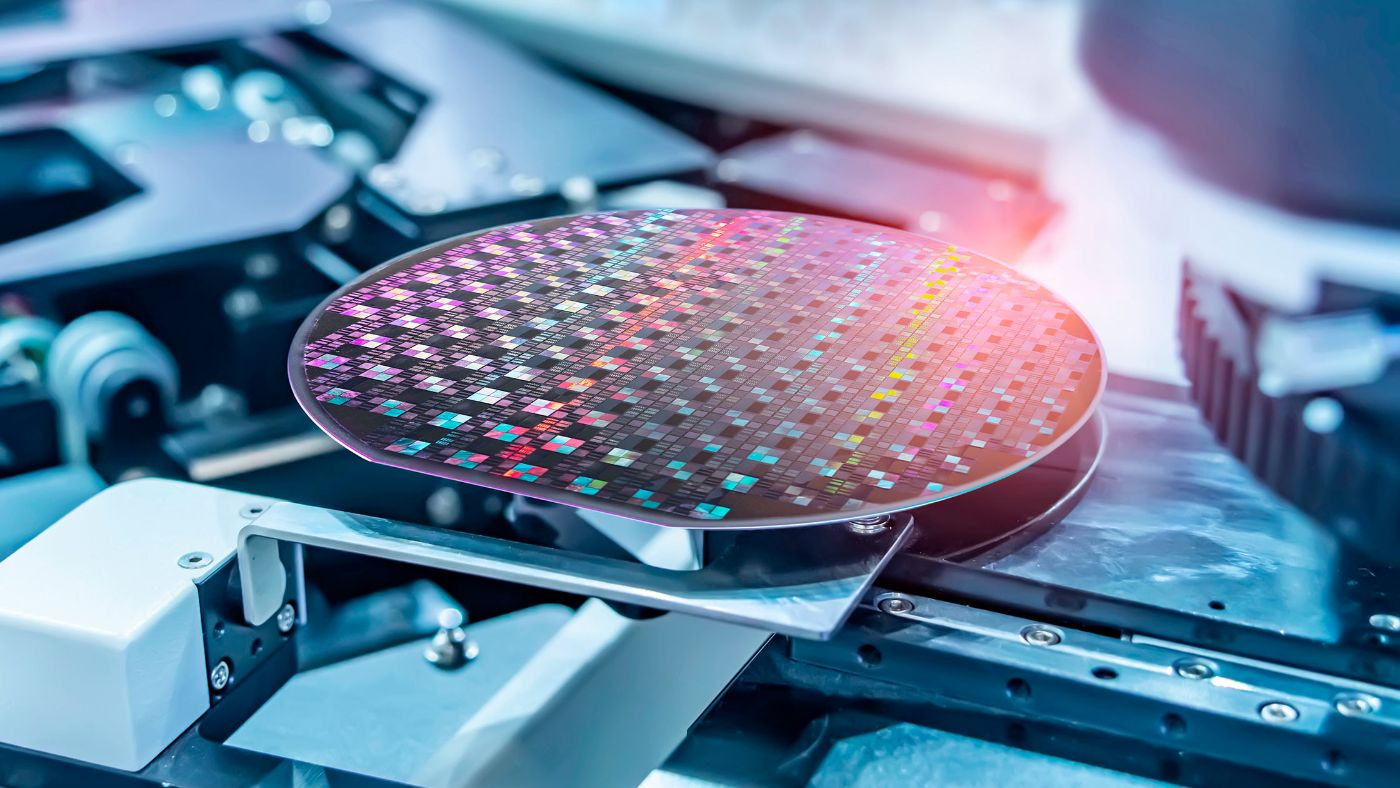
On the fab floor, thermal drift during soft bake or hard bake isn’t just a line-width issue. It quietly eats away at yield and repeatability. When the oven can’t hold setpoint across the wafer, photoresist profiles wander, etch bias follows, and your thermal budget gets spent chasing corrections instead of staying in control. What you really need is control you can measure—and trust. We built our ultra-precision thermal platform to deliver wafer-level uniformity within ±0.1°C across the full process window. NIR radiant heating, paired with engineered quartz assemblies, hits the photoresist bake with a fast, clean response—no hot spots, no cold corners. It’s engineered for Class 1–100 cleanroom operation, and we verify zero particle generation with in-situ monitoring. Repeatability is locked in through closed-loop calibration, so every soft bake and hard bake matches the last, lot after lot. Here’s the point: it removes thermal variability as a failure mechanism. You end up with tighter critical dimension control, less rework, and lithography performance that stays stable as you move into advanced nodes. Heating is direct and efficient, so energy use drops. And uptime holds up because the components are rated for 24/7 operation, which means fewer unplanned stops. The payoff is predictable cycle times and fewer excursions in etch and development. One practical note: NIR systems need careful line-of-sight alignment and emissivity matching to the wafer stack. Expect a short commissioning window to tune absorbance and temperature profiles for your specific photoresist and substrate stack. Once it’s set, the process stays locked.