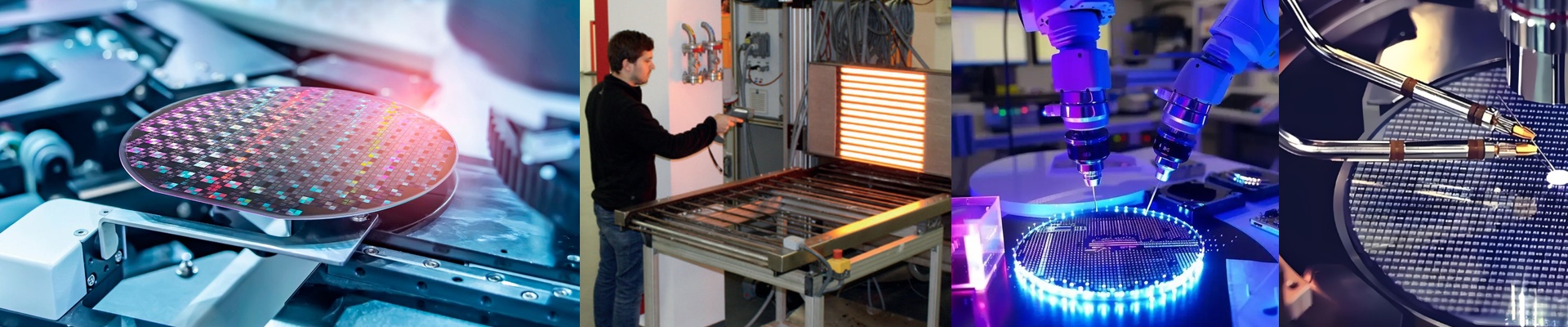
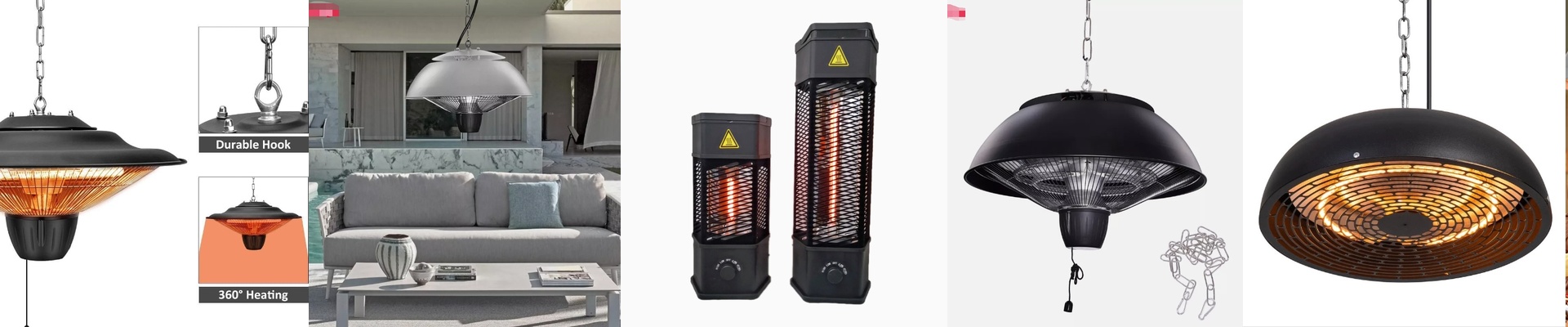
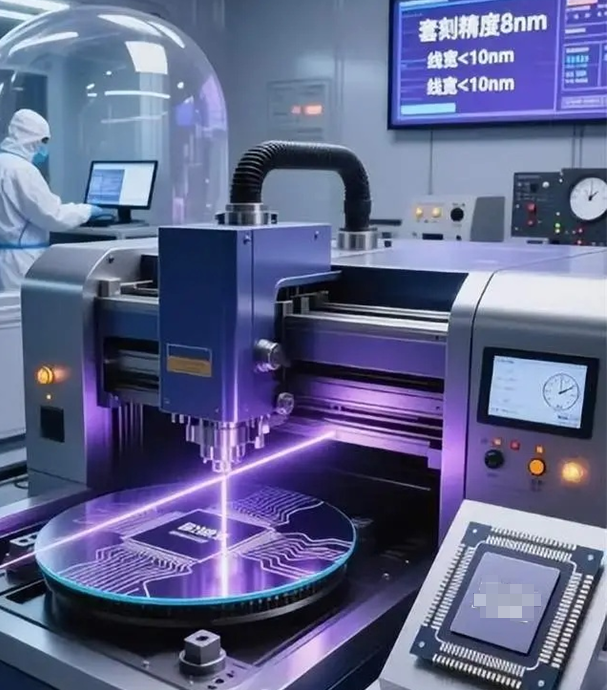
On the fab floor, every watt you burn on drying is a watt you can’t spend on process margin. Old-school ovens and hot plates routinely blow past the thermal budget, wasting energy while chasing the ±0.1°C uniformity that lithography actually needs. You need drying that’s fast, clean, and repeatable—without the utility bill going through the roof. What matters, technically We build the drying step around near-infrared (NIR) heating tuned to the water and solvent absorption, so the energy goes into evaporation, not into heating carriers and fixtures. The system keeps wafer-level thermal uniformity within ±0.1°C across the full window—post-clean dry-off, photoresist soft bake, and hard bake. Cleanroom-grade construction holds particle generation at zero, so it plays in Class 1–100 without sweating contamination. Temperature repeatability comes from closed-loop control and stable emitter output, so the same thermal profile runs shift after shift. Why it works in production The payoff shows up on the line. Energy use drops because heat is delivered on demand—fast ramp, immediate cutoff—so you don’t pay for idle losses. Photoresist profiles stay tight. No scumming, no footing, because the bake is consistent and solvent removal is controlled. The result is fewer rework lots, higher first-pass yield, and a shorter cycle time. Maintenance intervals stretch, too: low thermal mass and heaters built for long life mean fewer spares and less downtime. A few practical notes NIR drying is line-of-sight, so tool layout has to account for beam coverage and wafer orientation to keep uniformity across the batch. Integration is straightforward on most tracks and coat/bake platforms, but you still need a short qualification run to lock in thermal coupling and sensor placement. Plan on a modest utility reconfiguration to match the instantaneous load profile. The energy savings are real—just expect a different demand shape.