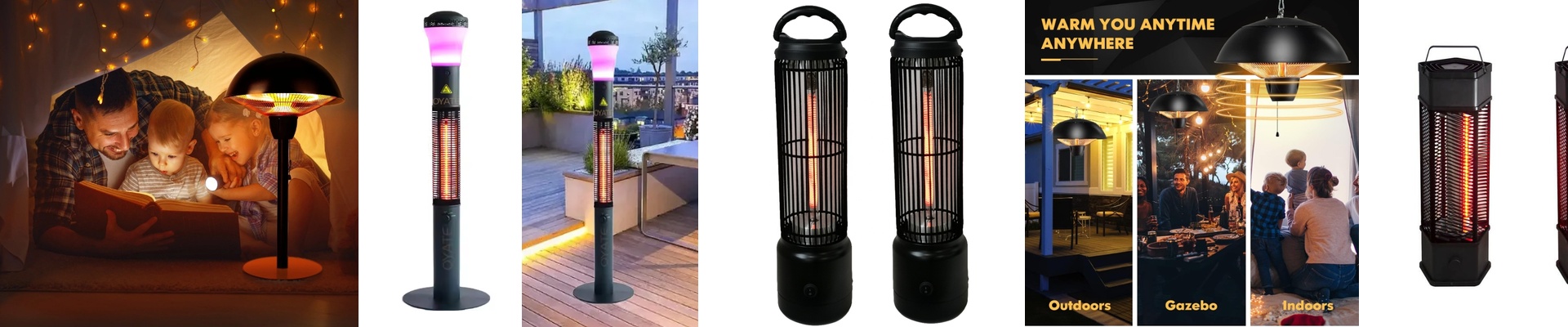
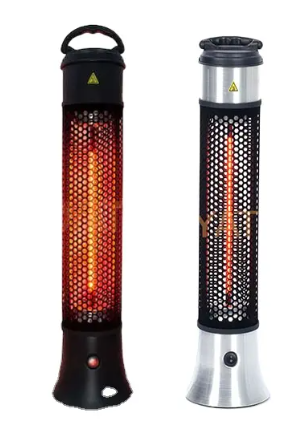
Stop Worrying About Your Heaters Exploding in the Rain
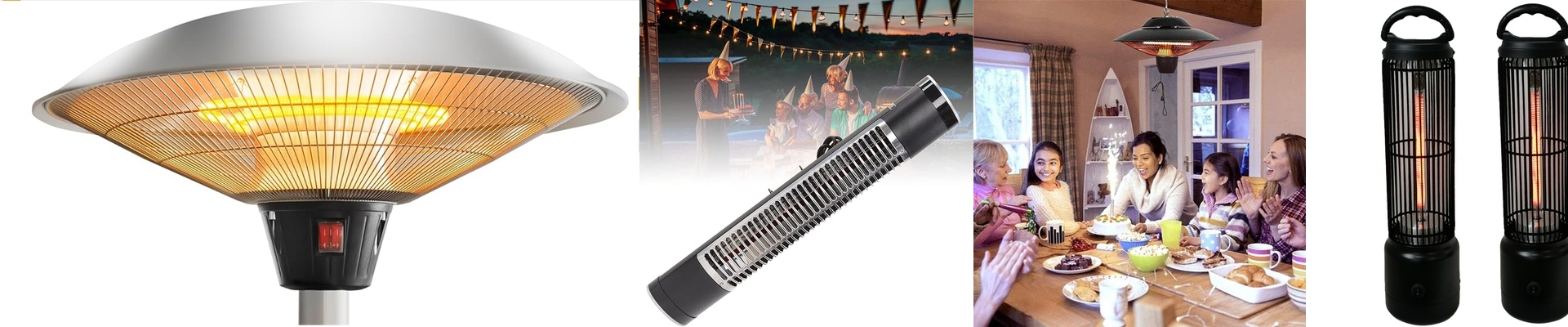
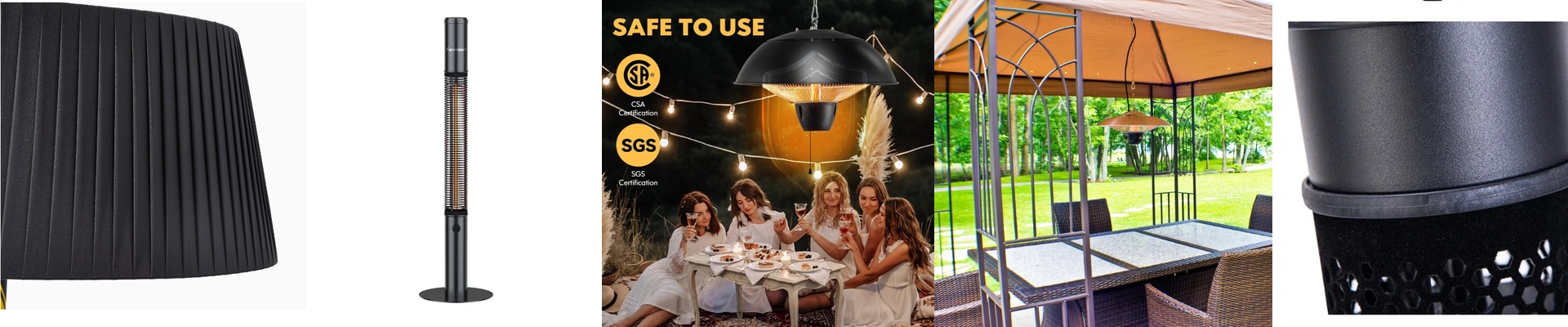
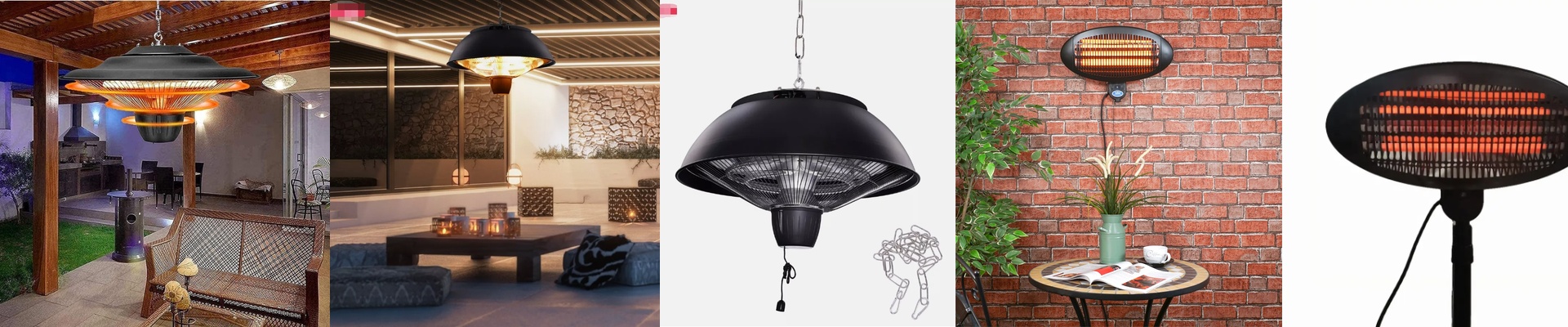
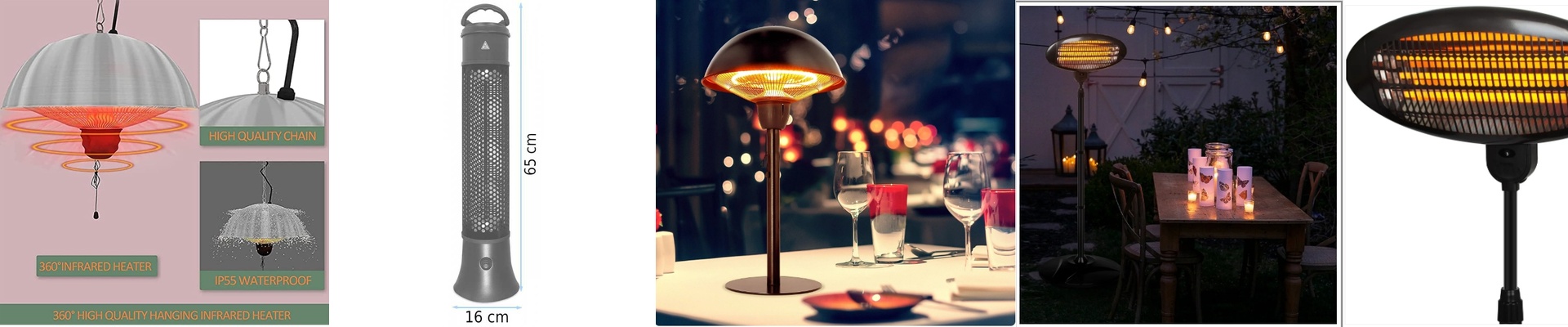
Putting infrared heaters in a pergola or a bathroom is a bit of a gamble. You’re basically mixing high-voltage electricity with water. Here’s the problem: standard quartz tubes hate cold water. If a stray droplet hits a scorching hot tube, the glass can’t handle the sudden temperature swing. It doesn’t just crack—it shatters. Fast. That’s why we use explosion-proof quartz. It’s all about peace of mind.
Why “Normal” Glass Fails
Standard quartz is tough, but it has a breaking point. In a shower or an outdoor patio, you get these tiny “cold spots” where water hits the glass. This creates a massive tug-of-war between the heat and the cold across the tube wall. Our tubes are built differently. We use a modified quartz blend and a specific tempering process. Now, if a tube does happen to crack, it doesn’t spray shards all over your guests or your bathroom floor. The internal pressure is managed, so the heating element stays tucked away safely inside.
The Nitty-Gritty on Heat
These lamps use short-wave or medium-wave infrared. In plain English? The heat punches right through the damp air to warm you up directly. We also use high-purity silica. I’ve seen cheap tubes turn cloudy after a few hundred hours, which kills the heat. Ours stay clear. But a quick heads-up: the glass isn’t the only thing that matters. Your electrical terminals are the real weak spot. Steam loves to eat away at contacts. To stop that, we wrap everything in IP-rated housings to keep the moisture out.
A Few Things to Watch Out For
These heaters are small, but they pack a punch. They getextremelyhot. Because of that, don’t mount them too close to plastic trim or anything that could catch fire. Give them some breathing room. And please, do yourself a favor: don’t wire these into a cheap dimmer switch. You’ll end up with a flickering mess or a burnt-out filament. Stick with a dedicated, load-rated controller. It keeps the power steady and the heater happy.