Making Infrared Heaters That Actually Work in the Shower (and Your Smart Home)
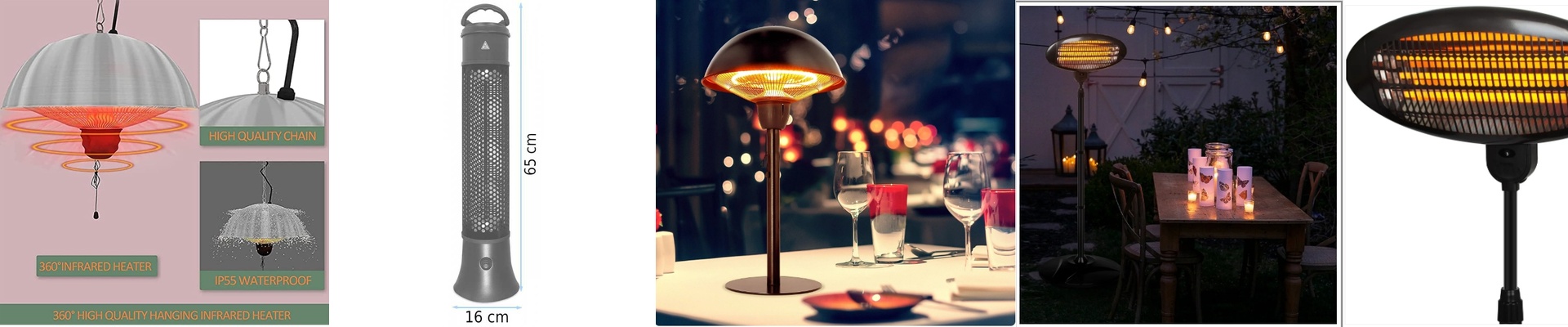
Most heaters hate water. Put a standard one in a bathroom or on a patio, and the moisture usually kills the heating element pretty quickly. That’s why we build ours with an IPX5 rating. In plain English? It means you can splash water on it from pretty much any angle and it won’t quit. We make this happen by sealing up the quartz tube housing and using heavy-duty, moisture-resistant gaskets around the wiring and the circuit board. It’s all about keeping the wet stuff out of the electric stuff.
Heat, Right Now
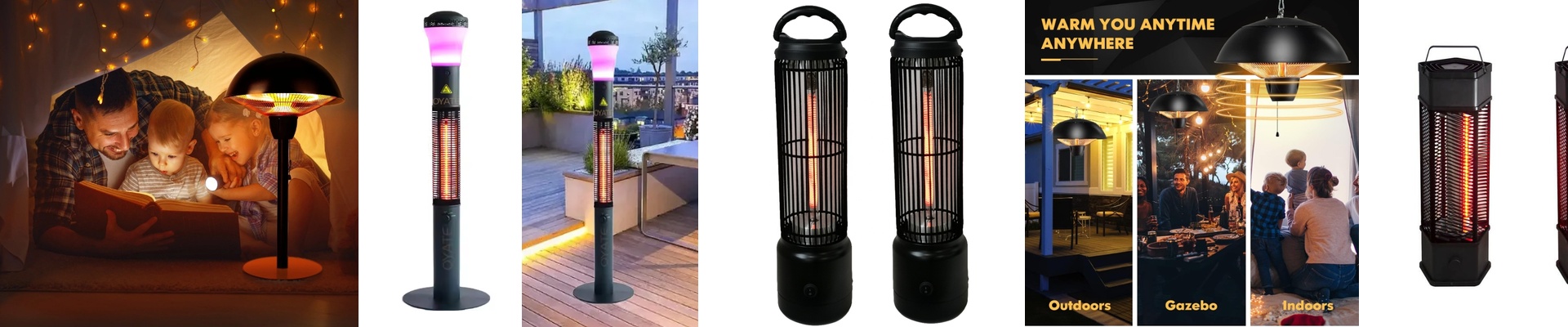
Here is the cool part: infrared doesn’t bother heating up the air around you. Instead, it warms up you—and whatever else you’re touching. When you tap a button on your phone, the tungsten filament gets hot in seconds. No waiting for oil to warm up or bulky coils to slowly glow. You get that cozy, radiant heat the second the power clicks on. It’s fast. Really fast.
Getting it to Talk to Your House
We wanted these to be part of a “one-touch” routine. Imagine waking up and hitting a “Winter Morning” button that turns on your coffee and warms up the bathroom at the same time. To do that, we tucked a Wi-Fi or Zigbee controller inside. It basically acts as a translator between your app and the high-voltage heater. The process is dead simple: You send a command from your phone. The smart hub flips a switch (the relay). The heater pulls power and hits max heat instantly.
The Honest Trade-offs
Now, it’s not all magic; there are a few things to keep in mind. These lamps pull a lot of power. If you try to plug four or five of them into one smart circuit, you’re probably going to trip your breaker. If you’re installing a bunch of them, do yourself a favor and run dedicated lines. Your electrical panel will thank you. Also, because the unit is sealed tight to keep water out, it doesn’t “breathe” very well. This means the internal electronics can get a bit sweaty. To stop the system from overheating and shutting down during a long session, we added aluminum heat sinks to pull that warmth away from the controller. It’s a bit more engineering on our end, but it means you stay warm without the heater quitting on you.