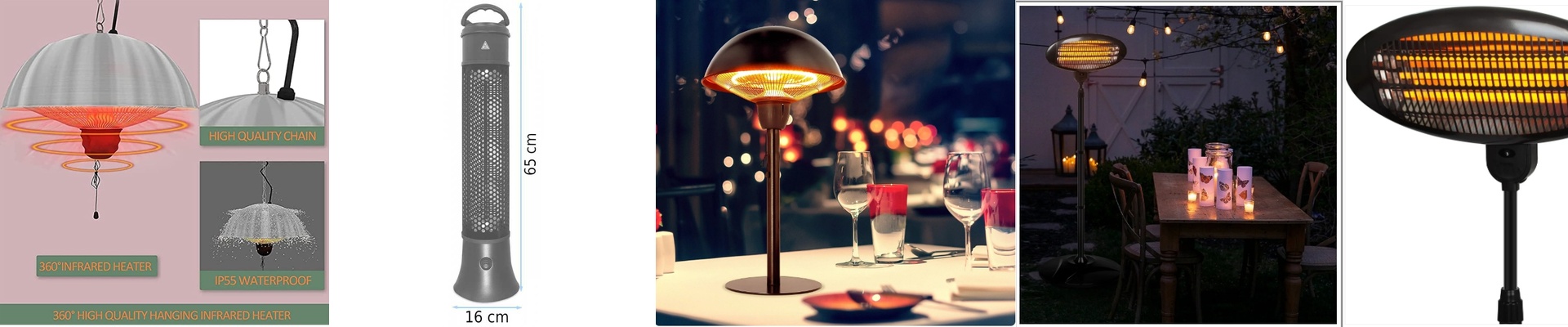
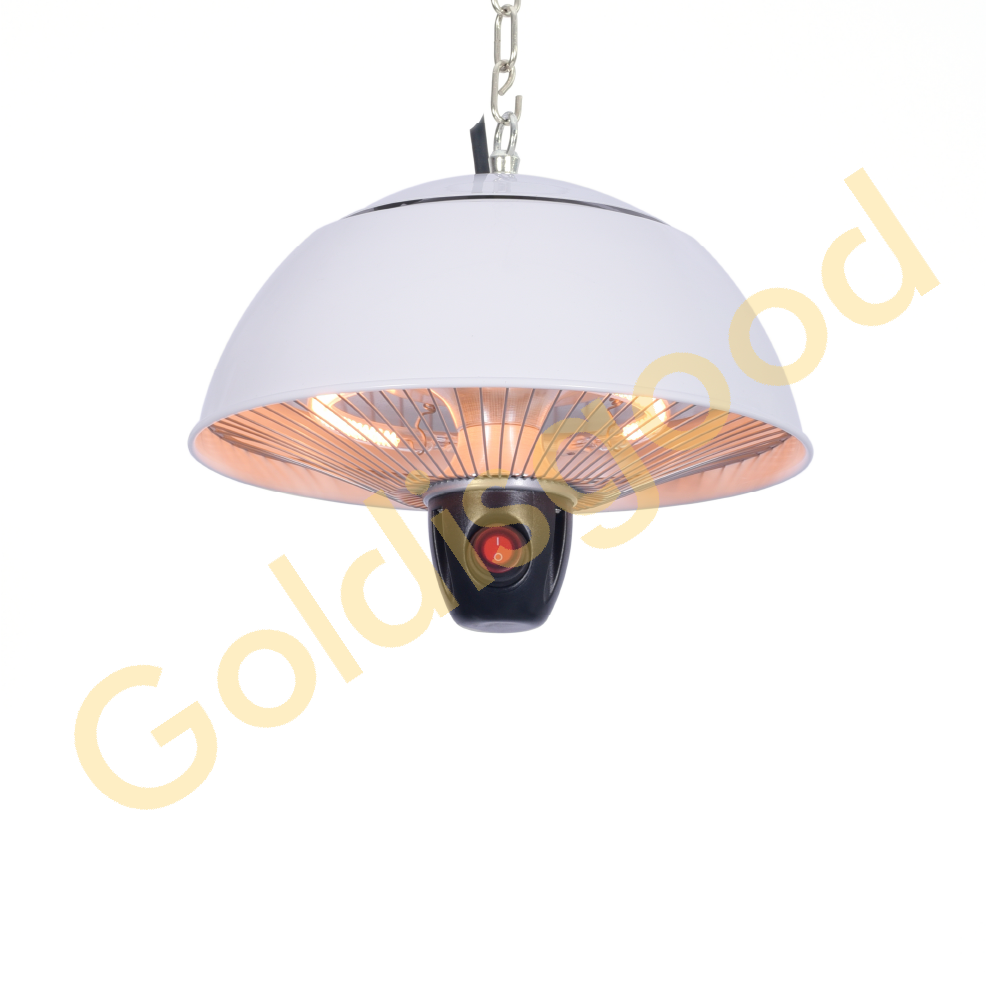
How much power do you actually need for your bathroom heater?
When you’re picking out an IP65 infrared heater, it’s tempting to just grab the one with the biggest number on the box. But that’s usually a mistake. Think about your bathroom. You’ve got cold tiles and steam everywhere. Those tiles basically act like sponges for heat, soaking up all the warmth before you even feel it on your skin. You need enough power to fight through that chill, but not so much that you’re turning your bathroom into a sauna.
Picking the right wattage for your space
Here is a good rule of thumb based on the size of the room. If you’ve got a tiny powder room (under 4m²), a 400W to 600W unit does the trick. It keeps things cozy without making the room feel stifling or wasting electricity. For medium bathrooms (4m² to 8m²), you’re looking at 800W to 1200W.**Pro tip:**instead of one giant, scorching lamp, try two smaller ones. It spreads the heat around better. There’s nothing worse than having one “hot spot” right under the heater while your toes are still freezing. If you’re dealing with a massive master bath (over 8m²), go for 1500W or more. You’ll need the extra muscle to cover that much ground.
The “Waterproof” Tax
Since these are IP65 rated, they’re built to handle splashes and steam. That’s great for safety, but the protective glass or plastic shielding can actually block some of the heat from getting out. Because of that, I usually suggest bumping your power up by about 10% or 15%. So, if your math says you need 1000W, go a bit higher. It makes up for the energy lost to the casing.
Speed vs. Your Wiring
We all love that “instant-on” feeling—flipping a switch and feeling the warmth immediately. Higher wattage gives you that. But be careful. High-power lamps pull a lot of juice. If you’re putting this into an old house, your wiring might not be up for the task. You don’t want to be flipping the breaker every time you take a shower. If your electrical panel is a bit dated, just use a few lower-wattage lamps on different circuits. It’s a safer way to get the same amount of heat without stressing your home’s wiring.