
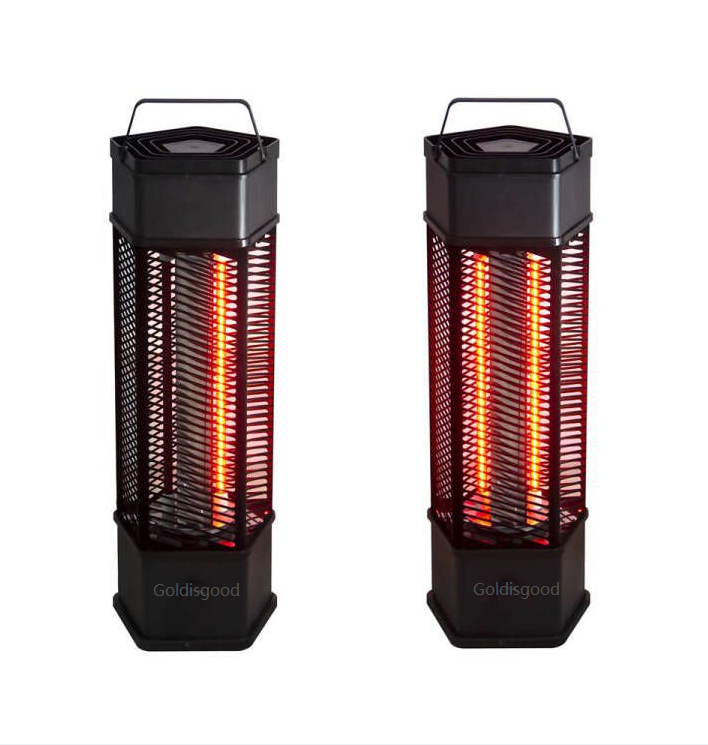
Why we’re ditching halogen for IP55 Infrared
Let’s be honest: those old-school halogen bathroom heaters are a bit of a headache. You know the ones—they get hot, sure, but they tend to burn out right when you actually need them. Most of the time, it’s because they just aren’t built for the steam and splashes of a real bathroom. That’s why we’ve moved over to IP55 infrared systems.
Dealing with the damp
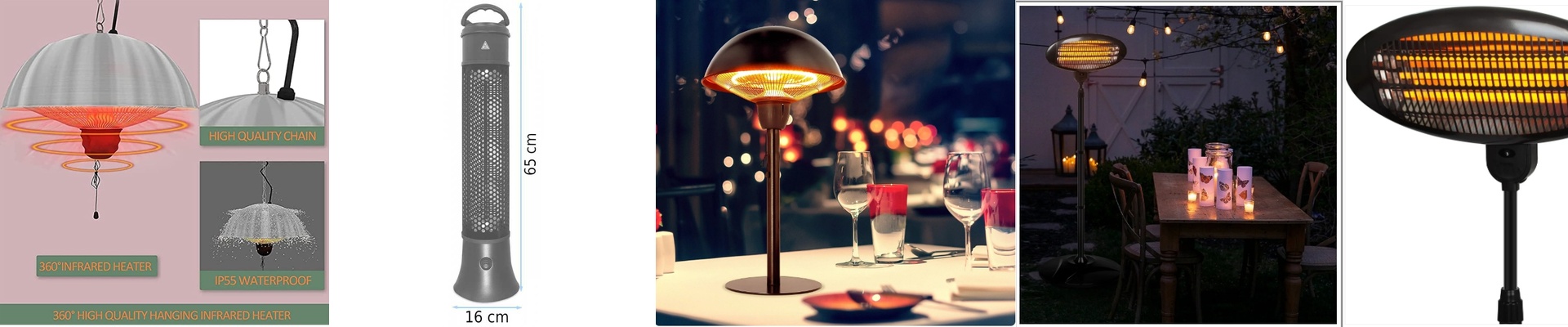
If you’ve never heard of an IP55 rating, don’t worry about the jargon. All it really means is that the unit can handle dust and low-pressure water jets coming at it from any angle. In a bathroom, steam is the enemy. It finds every little gap, seeps into the seals, and eventually fries the electronics. We fixed that by using reinforced gaskets and sealed cable glands. It basically keeps the moisture out so the guts of the heater stay dry and keep working.
The “Instant Heat” feeling
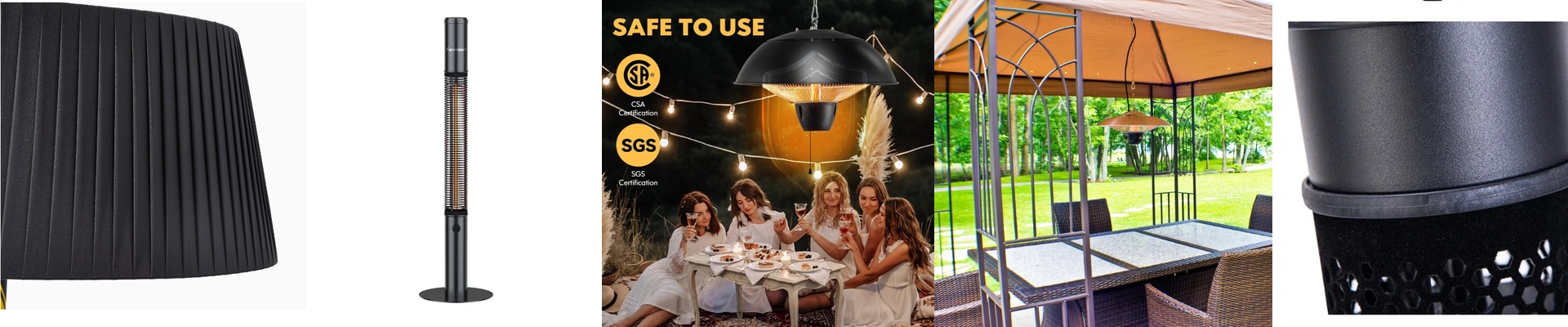
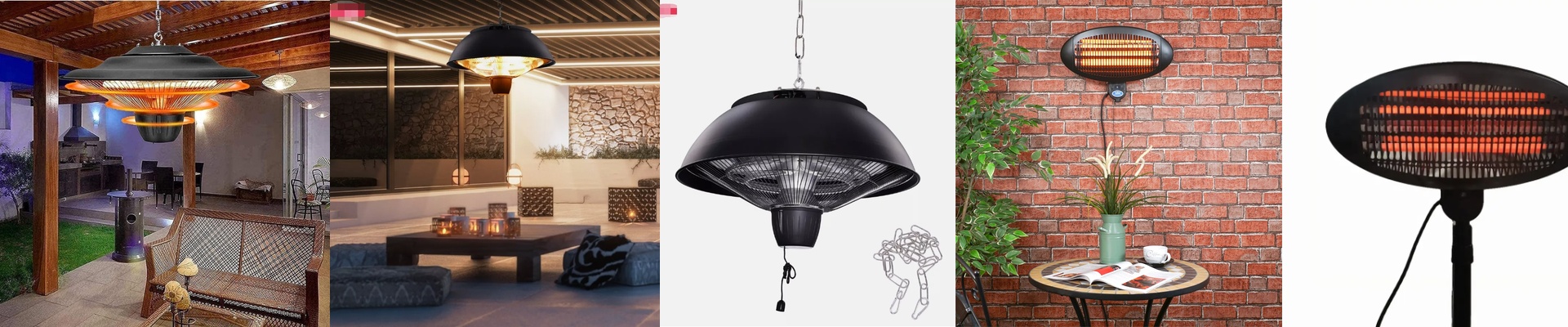
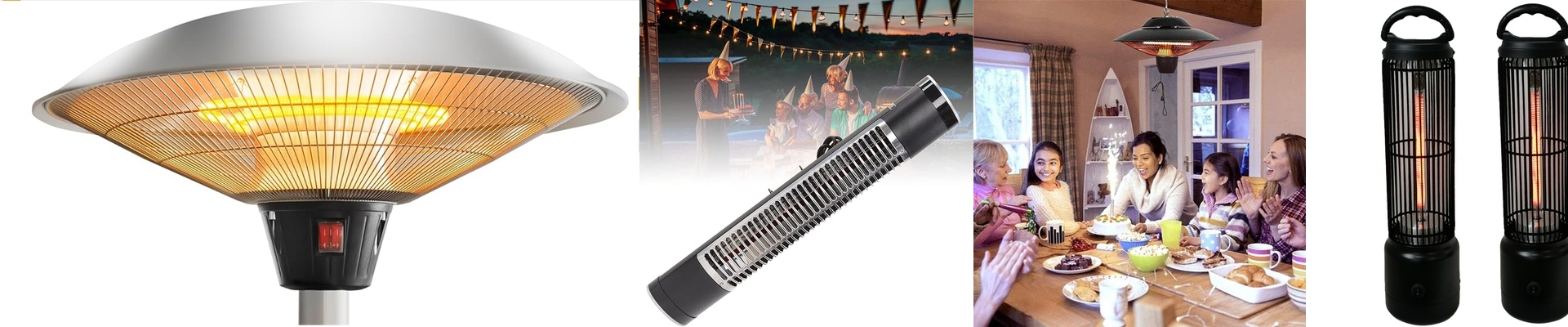
Here is the cool part. Old heaters try to warm up the air in the room. But if you’ve got a drafty bathroom or a window cracked open, that heat just vanishes. You’re left standing there shivering, waiting for the room to catch up. Infrared is different. It doesn’t care about the air; it warms you directly. It’s like stepping into a patch of sunlight on a cold day. The second you flip the switch, you feel it. No bulky elements, no waiting around—just immediate warmth.
A few things to keep in mind
If you’re installing these, you can usually use your existing wiring. Just double-check that your breaker can handle the wattage. Placement is also a big deal. Because the heat is directional, you have to be smart about where you put them. Mount them too low, and you might accidentally overheat your walls or ceiling materials. And then there’s the light. High-power infrared lamps can be blinding—nobody wants to feel like they’re staring into the sun while brushing their teeth. We use frosted lenses to soften the glow. It does cut the heat transfer by a tiny bit, but it’s a trade-off worth making so you aren’t squinting every morning.