
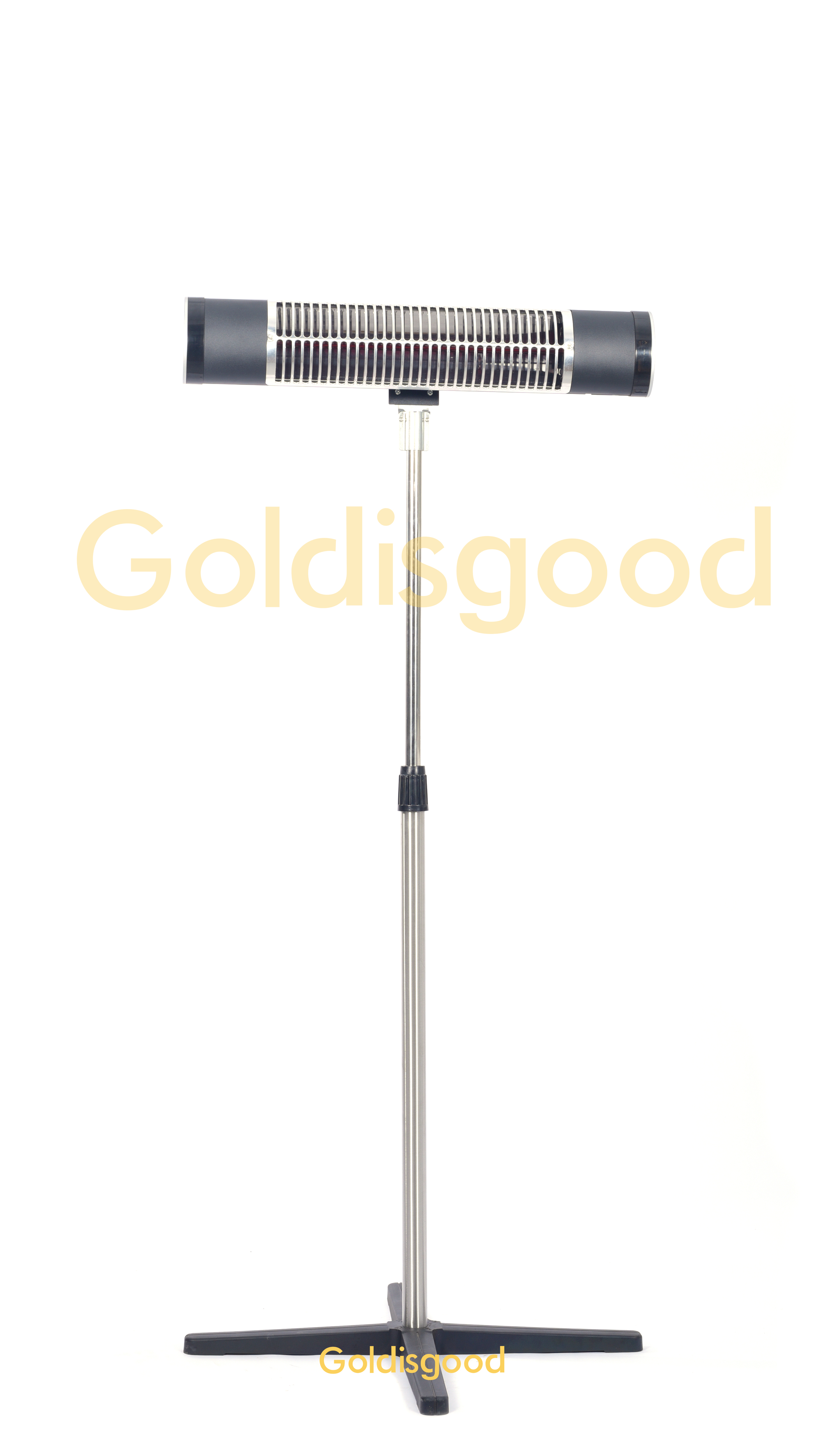
Why You Can’t Just Put Any Infrared Lamp in a Bathroom
Think about it: you’re putting a high-wattage heater right where the steam is thickest and water is splashing everywhere. It sounds like a recipe for disaster. And honestly? With standard quartz tubes, it is. The real enemy here is thermal shock. Imagine a tube glowing at 800°C. Now imagine a single, cold drop of water hitting that glass. It doesn’t just crack—it shatters. Instantly.
How “Explosion-Proof” Actually Works
We don’t use the cheap stuff. We use specialized explosion-proof quartz because it handles temperature swings way better. It’s designed so that when it takes a sudden hit of cold water, it stays intact. Plus, we usually add a protective coating or a second layer of containment. That way, even if the inner filament decides to quit, you aren’t dealing with shards of glass spraying across your bathroom floor.
Getting Warm (Fast)
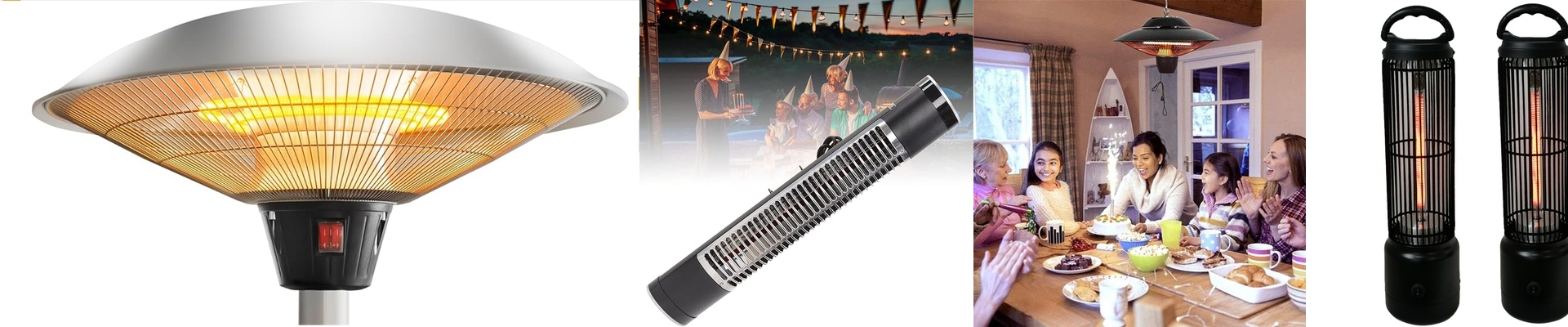
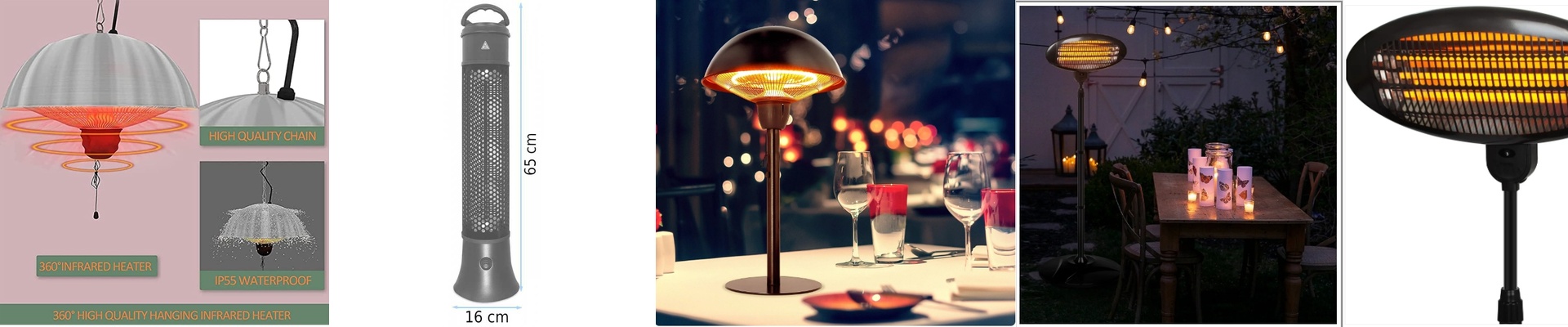
These lamps use short-wave or medium-wave infrared. Here’s the thing: they don’t bother heating up the air in the room. Instead, they beam heat directly onto your skin and the surfaces around you. It’s the only way to actually feel warm in a drafty bathroom without waiting twenty minutes for the room to heat up. We pack a lot of heat into a small space so the fixtures don’t take up your entire ceiling. But a quick heads-up: check your wiring. These things pull a lot of power. If your circuit isn’t up for the task, you’re going to be tripping breakers or, worse, melting your housing.
The Real-World Setup
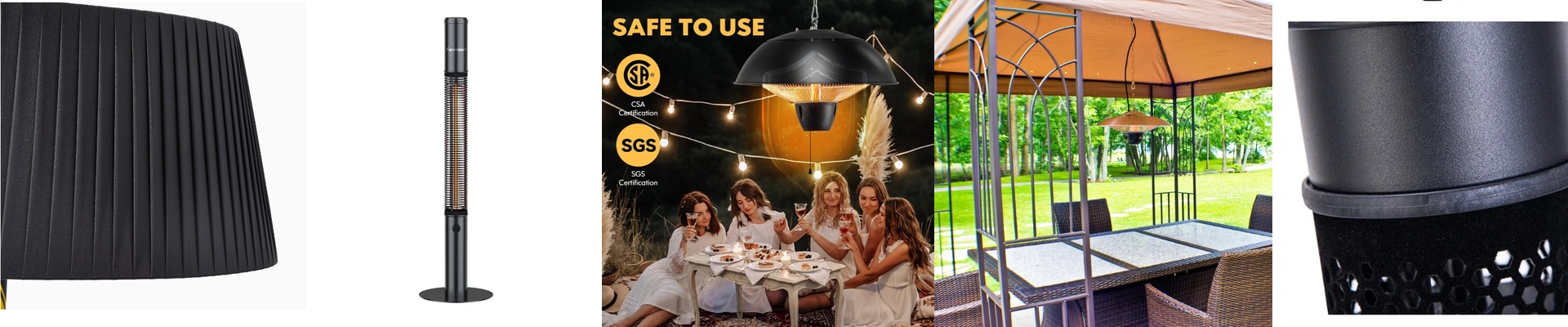
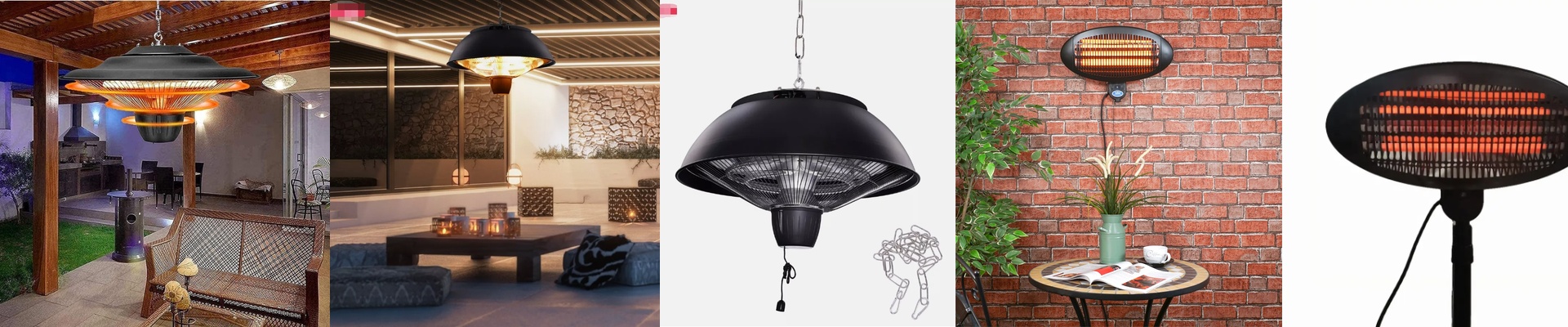
Waterproofing isn’t just about the glass; it’s about the gaps. We use high-temp silicone gaskets and IP-rated housings to make sure steam doesn’t sneak into the electrical terminals. Just remember, “explosion-proof” doesn’t mean “indestructible.” They can handle a splash of water, but if you hit them with something heavy, they’ll still break. Stick them in a recessed fixture or use a guard to keep people from touching them. And don’t forget to leave some room for venting in the ceiling, or you’ll just be trapping all that heat in your attic.