Why Your Old Bathroom Heater Just Isn’t Cutting It
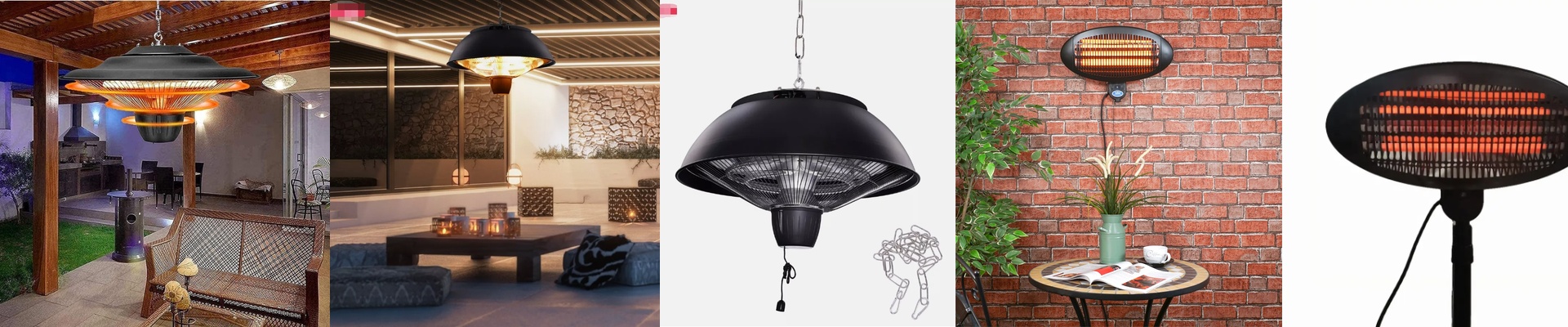
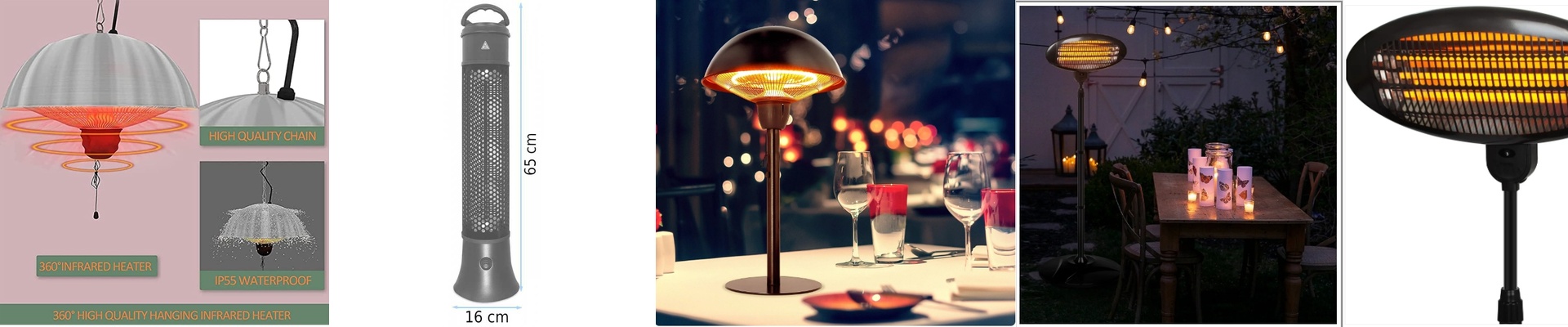
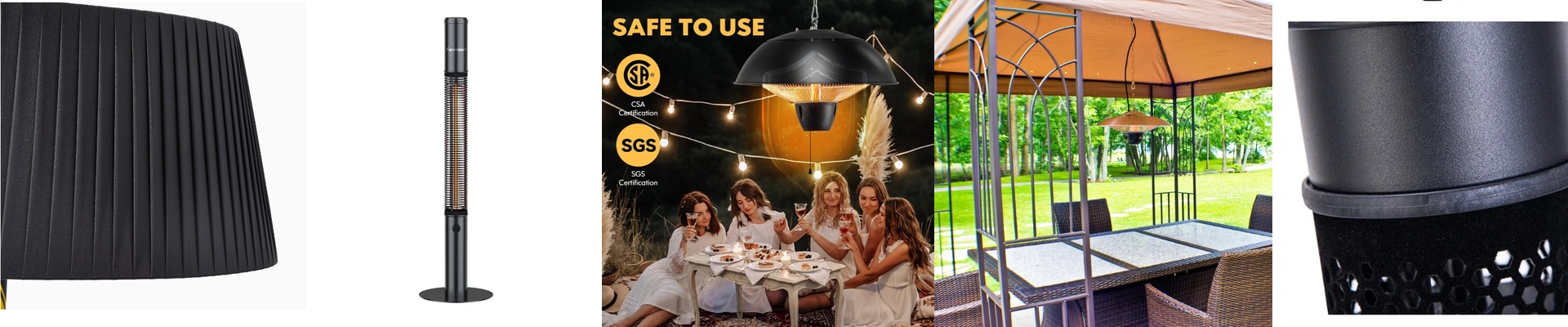
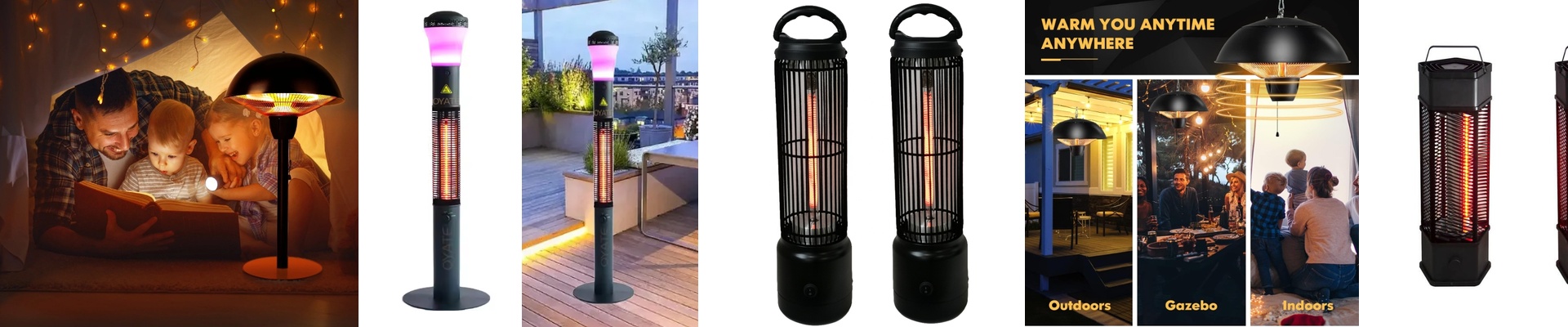
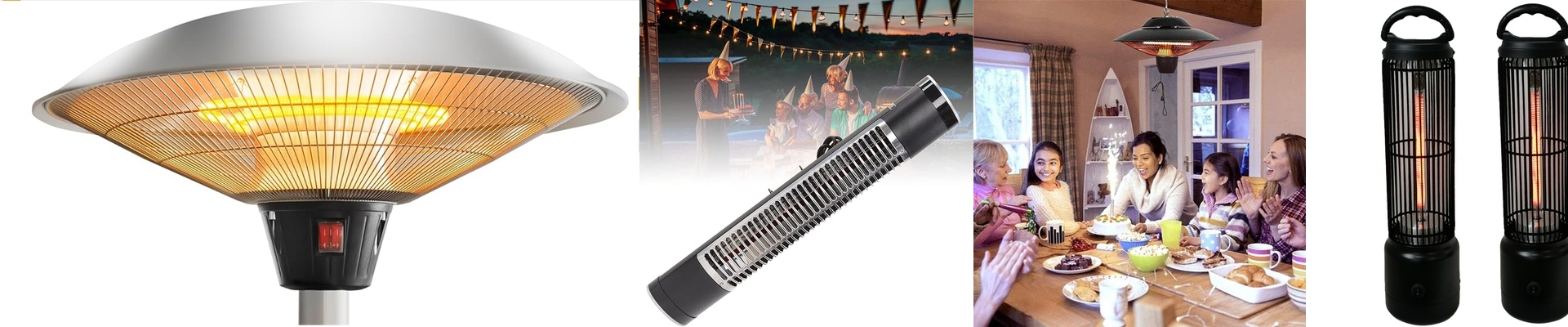
We’ve all been there. You step out of a hot shower into a freezing bathroom, flip on that old-school heat lamp, and… nothing. Well, maybe a blinding glare in your eyes and a tiny patch of warmth if you stand exactly two inches from the bulb. It’s annoying. That’s why we’re moving away from those high-wattage bulbs and switching to high-IP infrared wall heaters. It’s a completely different way of staying warm. The trick is in how the heat actually works. Most old heaters try to warm up the air. But here’s the problem: hot air likes to go up. So, you end up heating your ceiling while your toes are still freezing. Infrared is different. It sends out waves that heat you and the objects around you directly. It’s like stepping into a beam of sunlight on a crisp autumn day. You feel it the second you hit the switch. No waiting around for the room to “warm up.” Dealing with the steam Bathrooms are basically torture chambers for electronics. Between the steam and the occasional splash, cheap heaters tend to corrode or short out pretty quickly. We use units with high IP ratings—which is just a fancy way of saying they’re tightly sealed. We make sure the wiring and heating elements are locked away from the moisture. It just makes the whole thing safer and means you aren’t worrying about electrical leaks while you’re scrubbing your face. A few things to watch out for These heaters use quartz or ceramic tubes. They’re way tougher than those fragile glass bulbs, but they do get hot. If you mount them too close to a wall made of plastic or wood, you might actually scorch the surface. You’ve got to leave a bit of breathing room based on how powerful the unit is. Just a little bit of space goes a long way. Getting it installed The good news? These are usually designed to swap right into the spot where your old fixture lived. But before you start drilling, check your breaker box. Infrared arrays pull a decent amount of power. If your home’s wiring is old or undersized, you might trip the breaker the moment you turn the heat up to max. It’s not a problem with the heater itself—it’s just a matter of making sure your house can handle the juice.