
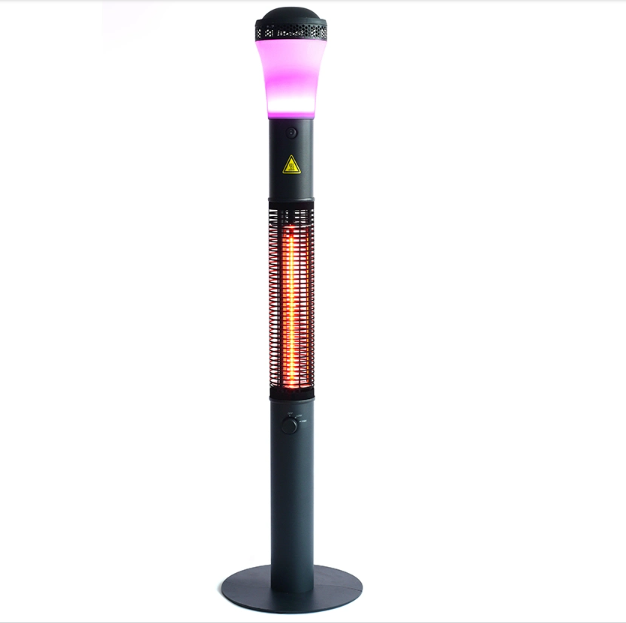
Why Your Bathroom Heater is Actually a Moisture-Fighting Tool
Most people look at an infrared lamp in the bathroom and just see a way to stop shivering after a shower. But if you look under the hood, these things are way more interesting. We didn’t just build these to warm up the air; we built them to hunt down the moisture hiding in your walls.
Getting rid of the damp
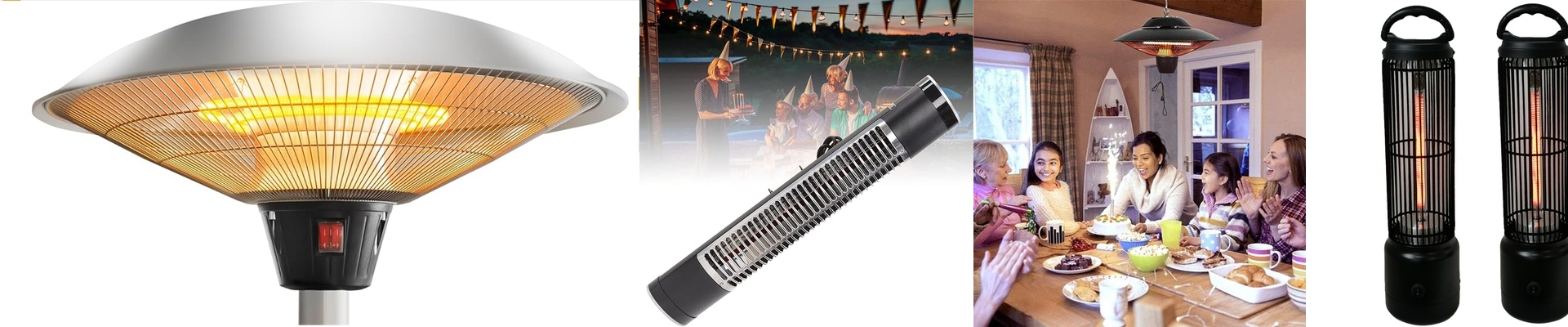
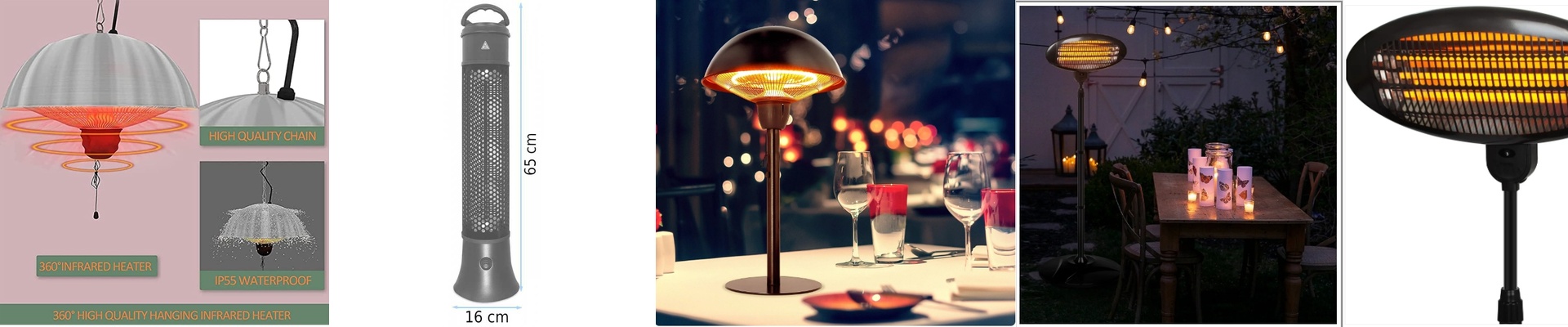
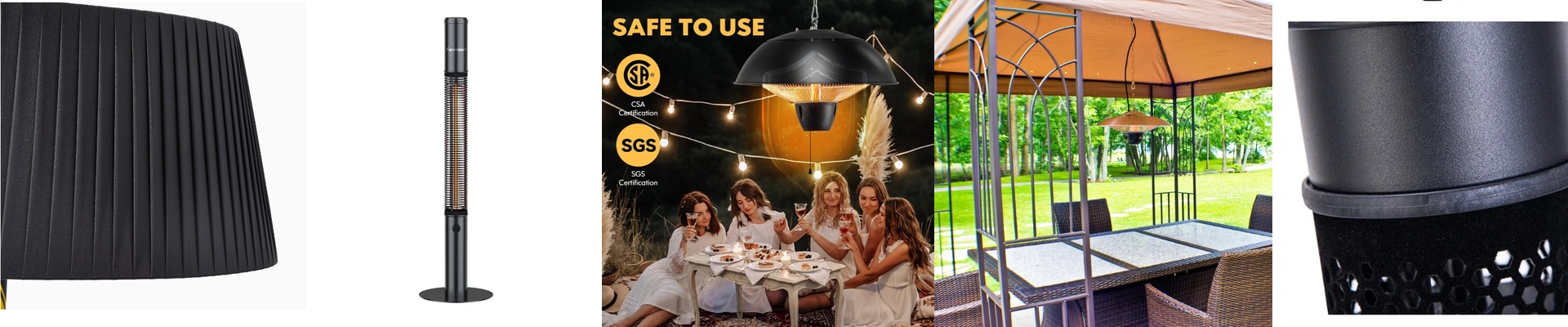
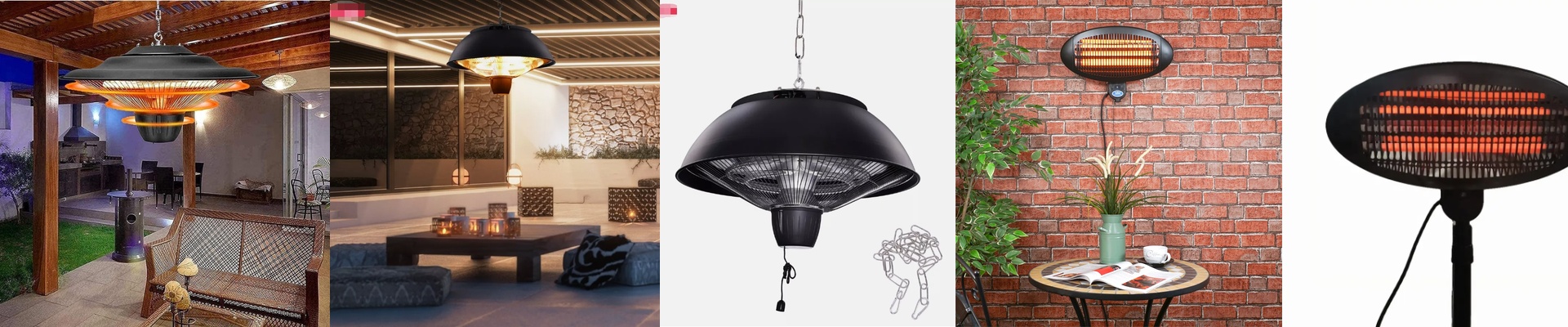
Here’s the thing: standard heaters just warm the air, which is fine, but it doesn’t really solve the “soggy bathroom” problem. We use short-wave infrared (SWIR) emitters because they actually penetrate surfaces. When you flip the switch, the energy goes straight into the water molecules trapped in your grout and tiles. It makes them vibrate and evaporate. Fast. Mold loves a cold, damp surface. It’s basically their paradise. By keeping those surfaces warm, we break the condensation cycle before the mold even gets a chance to move in. And that mirror finish? It’s not just for looks. It focuses the heat exactly where it needs to go—the walls and ceiling—so you aren’t wasting electricity heating up the floor.
The balancing act
Now, you might think “more power equals better,” but it’s not that simple. We use high-wattage quartz tubes to flash-dry the room, but you can’t just crank it to eleven without a plan. If the room is sealed tight with no airflow, you risk baking the moisture right into your paint or putting too much stress on the ceiling mounts. You need a bit of a breeze to carry that displaced steam out of the room.
A few tips for the installers
If you’re the one wiring these in, do yourself a favor:keep the reflectors clean. A little bit of dust on that mirror surface kills the efficiency and messes with the heat pattern. These units are designed to hit peak temperature in seconds. That’s the secret sauce. You want to kill the dampness the moment you step out of the shower, before the spores can settle. It’s a direct hit on the humidity. Simple as that.