
Introduction
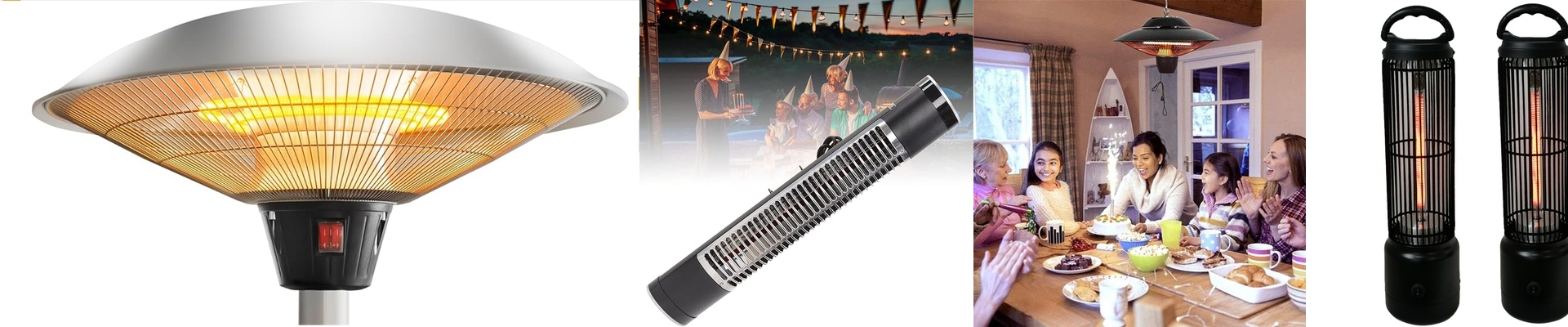
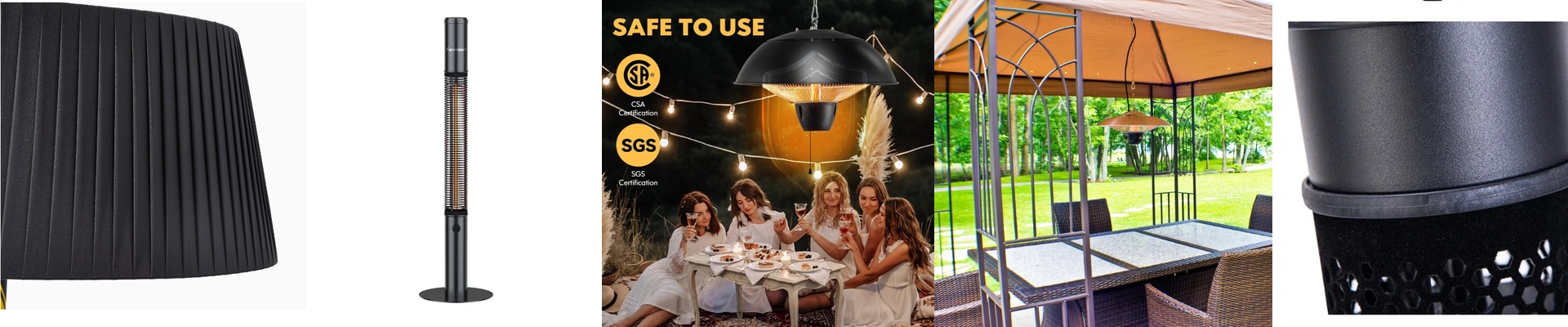
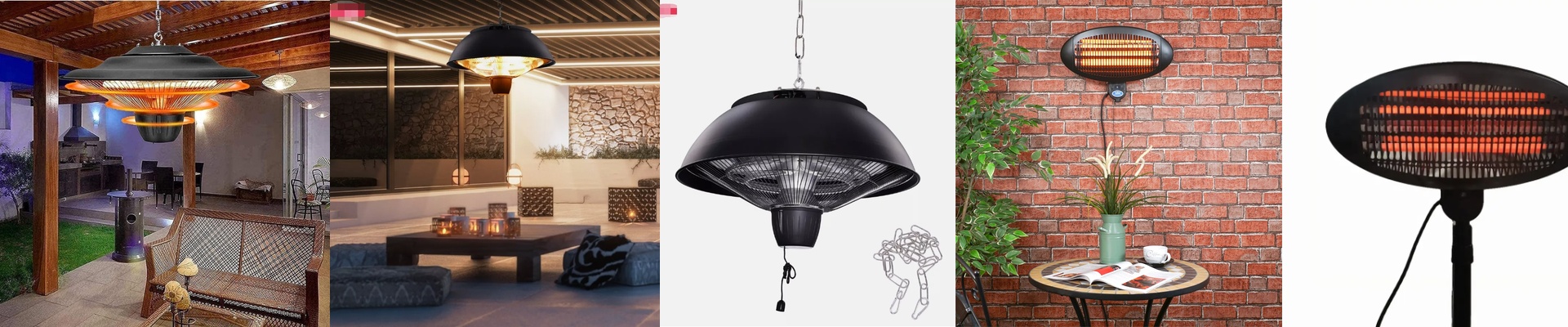
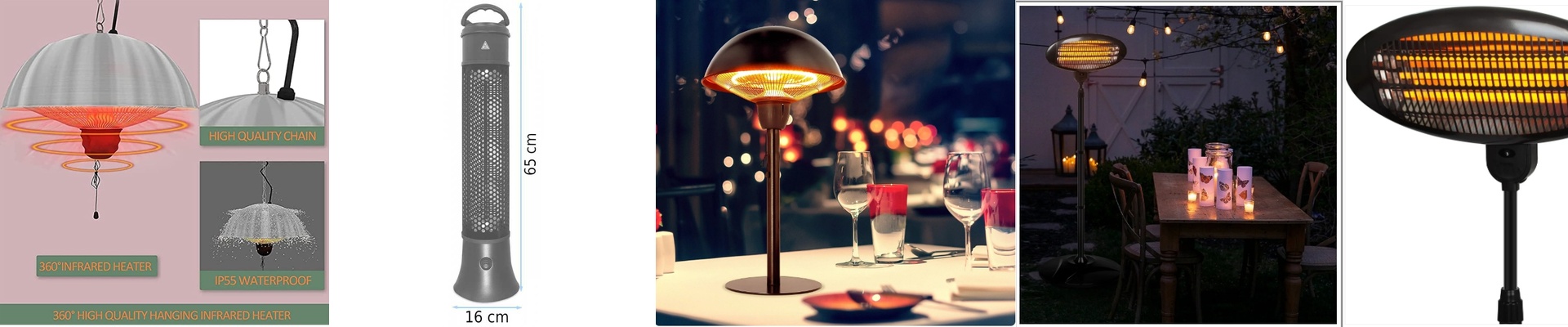
You know that clunky old bathroom heater—the one with the exposed bulb that glares in your eyes and takes forever to warm up? It’s time to say goodbye. These days, more and more people are swapping those out for sleek, high-grade infrared mirror heaters. They give you that focused, comforting warmth without the bulk or the glare. It’s the kind of upgrade that just makes sense when you’re working with a modern bathroom—where you want safety, space, and performance, all in one tidy package.
Power, Voltage, and Fit: The Real-World Details
Here’s the thing about these infrared mirror heaters: they pack a serious amount of heat into a slim profile. They’re built to run on standard voltage—usually 220–240V—and the power rating is matched to the room size, typically between 1500W and 2500W. That means you get the right amount of heat without overdoing it. And the shape? It’s designed to fit cleanly over mirrors or inside mirror cabinets, with lengths around 600mm to 1200mm. Because the heat is focused where you stand, the room warms up fast—way faster than waiting for the whole bathroom to heat up through ambient air.
What’s Inside: The Materials That Make It Work
At the heart of it is a quartz infrared tube. Quartz is great because it heats up quickly and stays steady, even when the bathroom is steamy. Inside, a halogen fill keeps the filament temperature consistent, and a special reflective coating on the tube pushes more heat forward, so you’re not wasting energy to the sides. Then there are the connectors. On the shop floor, R7s and SK15 bases are the go-to because they handle higher current, stay aligned, and hold up through repeated heating and cooling cycles. And the mirror itself? It’s sealed with an IP-rated gasket and backed with anti-fog material, so steam doesn’t become a problem. No fogged-up mirror, no shortened lifespan.
Why It Works (And What to Keep in Mind)
If you’re doing a bathroom retrofit, these heaters are a straight swap for the old lamp-style units. Same mounting footprint, simpler wiring. They’re built to meet wet-area standards, so you can trust the waterproof build. And because the heat is infrared, it warms people and surfaces directly—quickly, efficiently—without pushing your ventilation system into overdrive. Just one note: the heat output is concentrated, so the surrounding enclosure needs to be rated for that thermal load. And you’ll want to make sure the driver or power supply matches the voltage and inrush current. For anyone spec’ing an upgrade, this setup means dependable performance, fewer callbacks, and a cleaner install that looks and feels right.