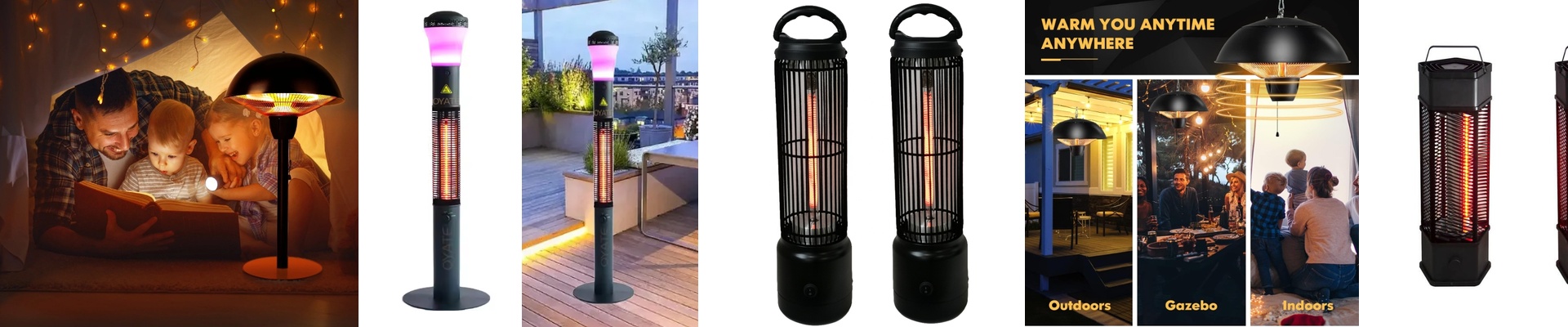
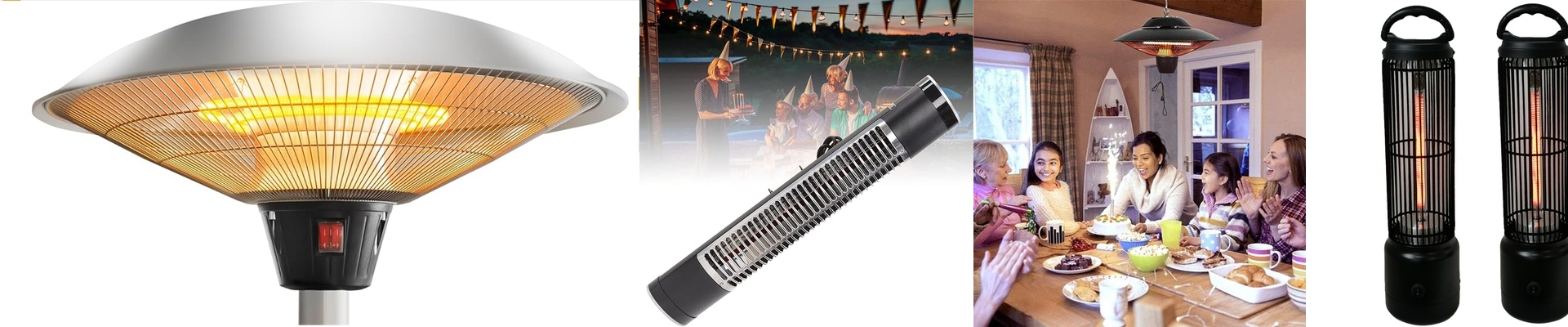
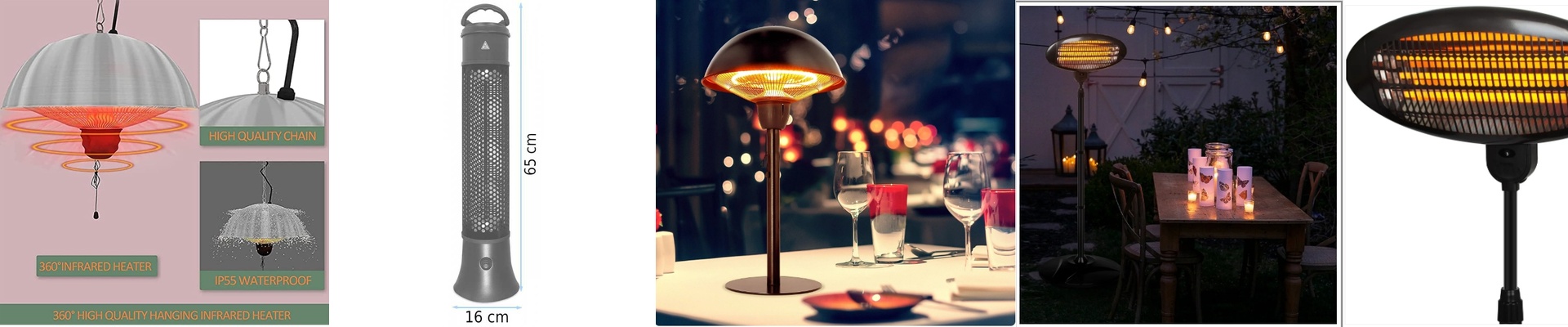
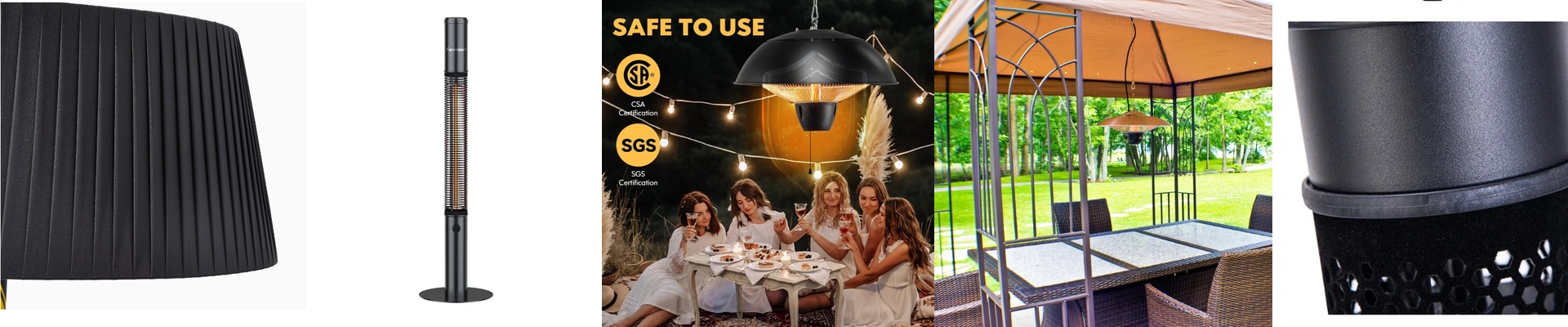
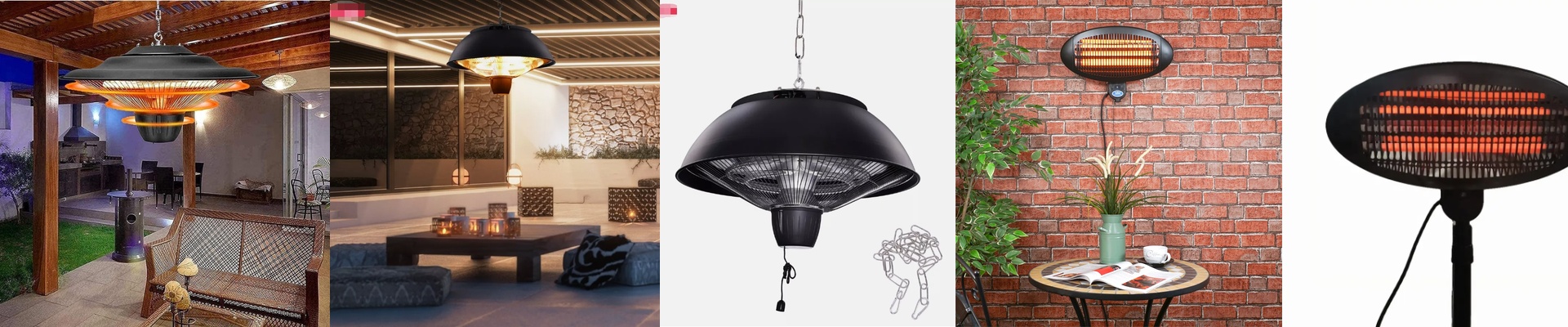
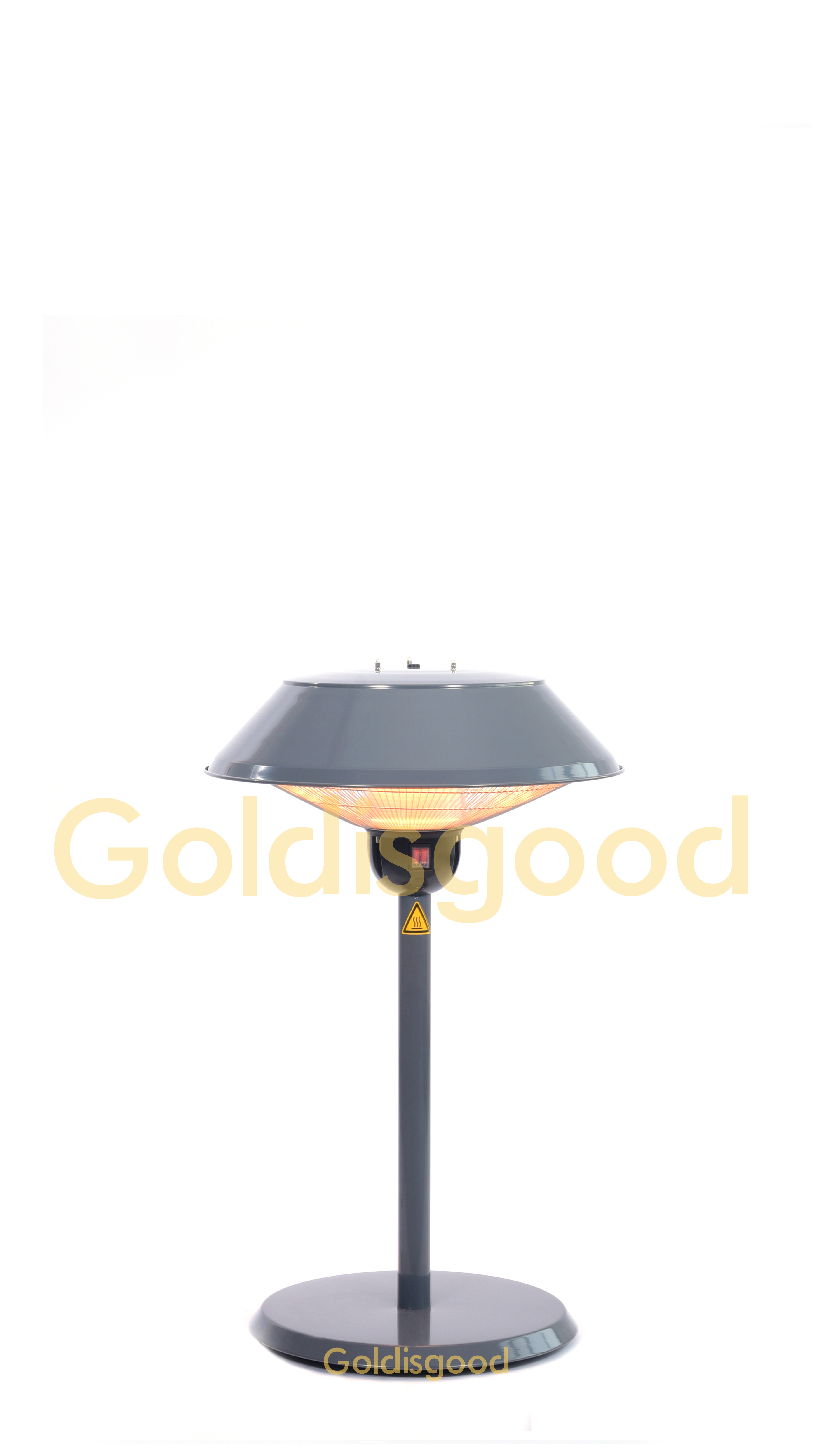
Outdoor evenings can go from pleasant to raw in a heartbeat. One cold snap and your patio turns into a shortcut, not a place to linger. So we built our CE-certified infrared heater around a digital thermostat—because comfort should hold steady, not feel like a guessing game. What’s under the hood The heart of it is a carbon-fiber infrared element that delivers radiant warmth, heating people and objects directly instead of wasting time on the air. A precise digital thermostat keeps the set temperature within tight tolerance, so you don’t get the on-off jolting you see with basic heaters. It runs on standard 220–240 V outlets, pulls 1.5 kW for a fast response, and the footprint is compact enough to place where you actually use the space. Safety is baked in: tip-over protection shuts the unit off if it gets knocked, and the IP rating is chosen for outdoor exposure. The CE mark means the design is tested to common European safety requirements—important when you’re placing heat near furniture and foot traffic. Why it fits real-life use For families and hosts who treat the patio like a real living room, the payoff is immediate. Infrared warmth hits at the source, so you feel comfortable sooner—no waiting around for air to warm up. The digital thermostat helps prevent temperature swings, which keeps guests steady and stretches the season without having to crank the indoor thermostat. It runs quietly, so conversations and music stay front and center. And because infrared targets the people in the area, it can feel more efficient than blasting air that rises and scatters. A few practical notes This is radiant heat, not a forced-air blast. You’ll feel the warmth where the beam reaches; surrounding areas warm by secondary transfer. For best results, position it to cover the seating zone and avoid direct line-of-sight glare. It needs a grounded outlet, and if you need to route the cord, use an extension cord rated for the load. Clearances matter—keep combustibles and fabrics at the recommended distance. In damp weather, keep the control side protected, and store the unit indoors when it’s not in use.