

Outdoor evenings fall quiet fast when the heater starts to choke. Fog rolls in, a light spray hits the controls, and the unit either shuts down or begins to corrode. You don’t just lose heat—you lose the whole mood, and you’re suddenly shopping for replacements instead of planning the next get-together.
What matters, under the hood
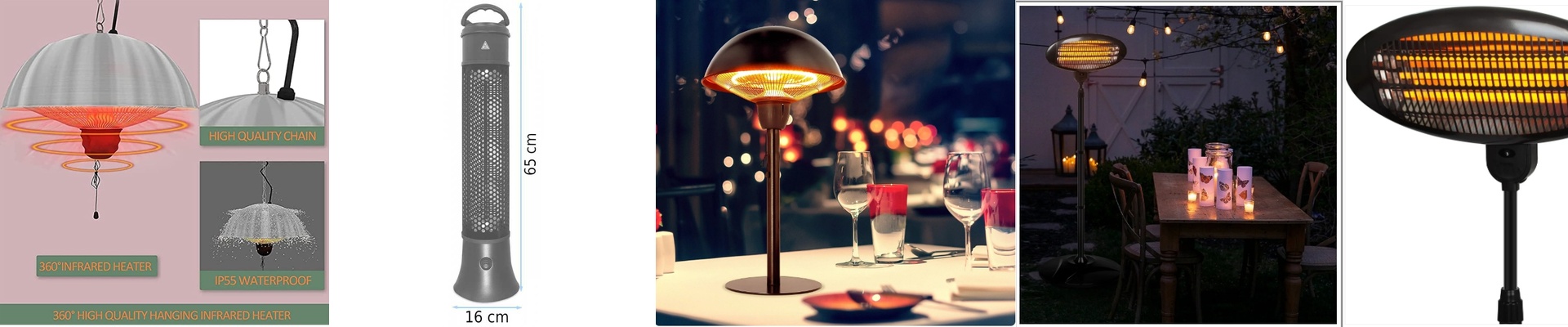
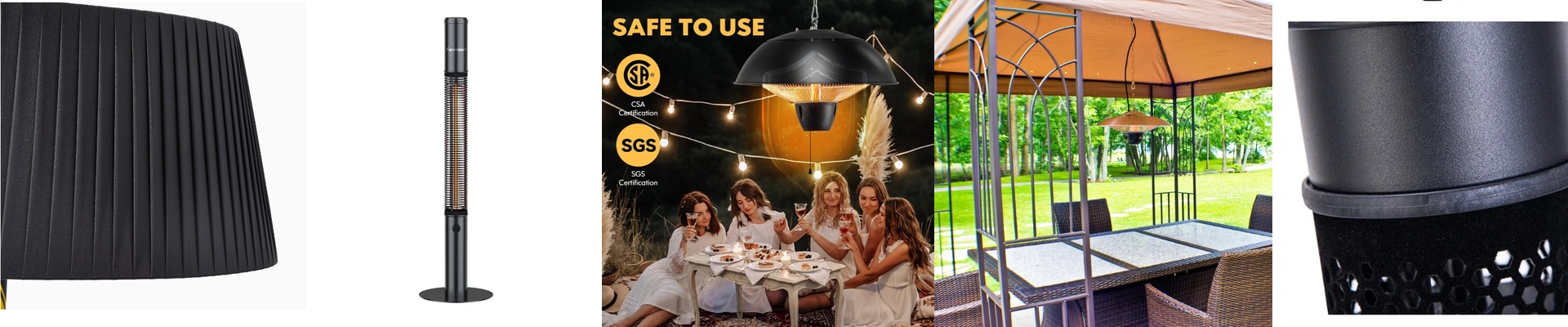
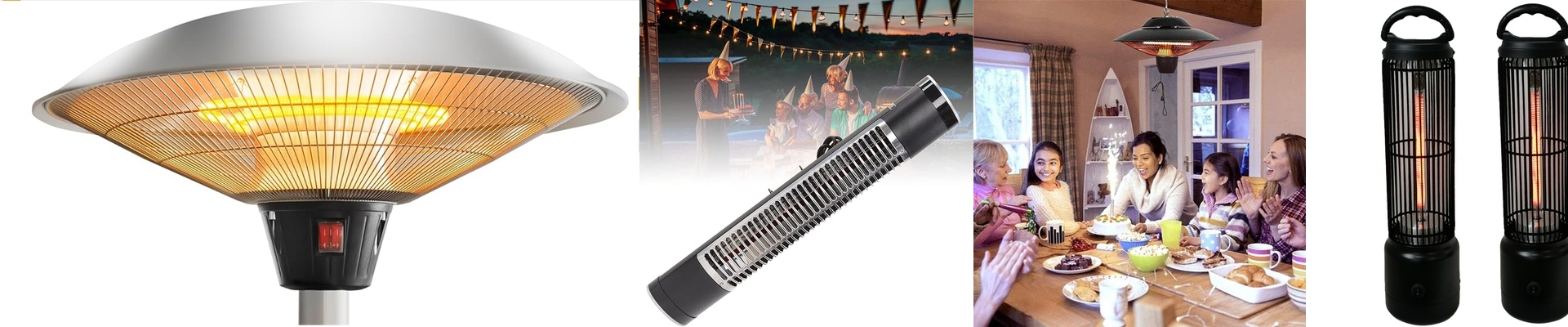
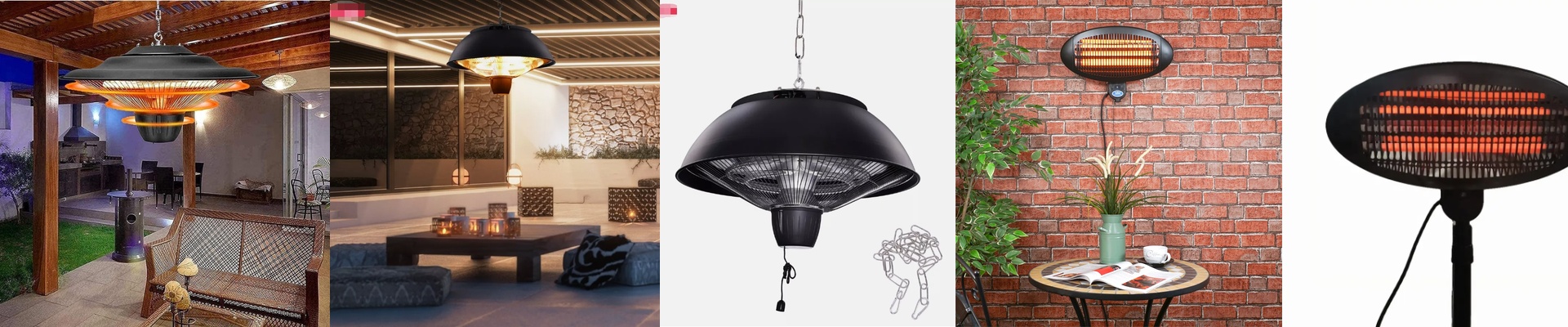
We built this infrared heater around direct-radiant heat—warming people and objects directly, not the air around them. The core uses a quartz element, so the infrared warmth kicks in the moment you switch it on. The touch-screen interface keeps things straightforward, with no button travel to trap moisture. Behind the screen, the electronics are sealed, and the protective bezel is shaped to shed water away from the contacts. The outer housing carries an IP55 rating, meaning it’s protected against dust and low-pressure water jets from any direction. In practice, that’s dependable performance on a damp deck, a breezy covered patio, or under an eave where the rain can blow sideways.
Why this design holds up in real conditions
This is the heater you reach for when the season stretches and the air turns sharp. The infrared warmth feels steady, not gusty, so people can sit comfortably without constantly shifting chairs to chase a moving warm spot. The anti-fog approach keeps the control area clear, so you can see and adjust settings even when the humidity climbs. The splash-resistant build helps shield the internals from rain and splashes, which is exactly where standard electric heaters tend to develop corrosion and connection problems. The payoff is fewer interruptions, less maintenance, and the confidence to actually use your outdoor space when you want it most.
Things to get right
For the best performance, mount the heater in a sheltered outdoor spot and keep the airflow path clear—radiant heat needs line-of-sight to do its best work. It runs on standard household power, but it should be on a properly rated outlet and circuit. If you plan long runtime, confirm your wiring and breaker capacity before you count on it. The touch-screen is sealed, but it’s not built for direct, high-pressure washing—clean with a soft cloth and mild cleaner when it needs it. When the weather turns hard, a fitted cover adds another layer of protection.