
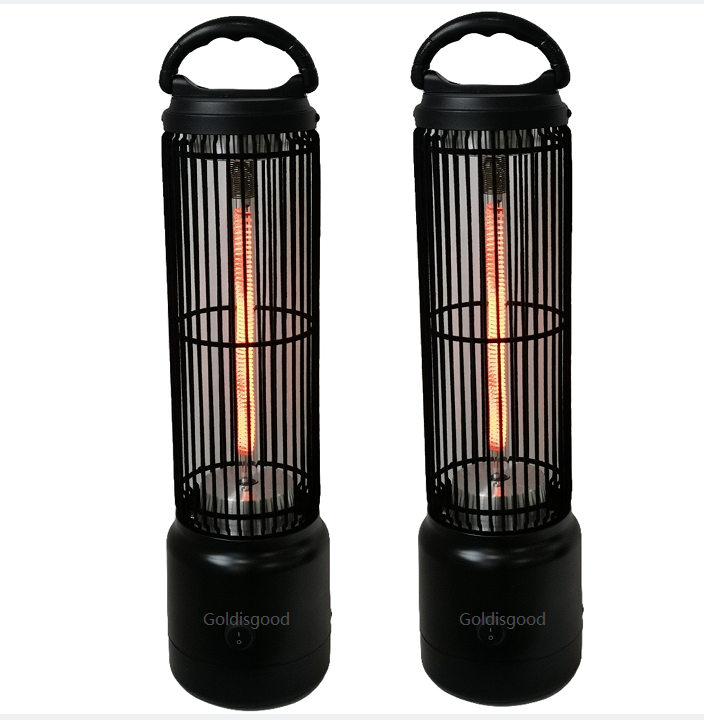
Why Most Infrared Heaters Die in Wet Spots (And How We Fixed It)
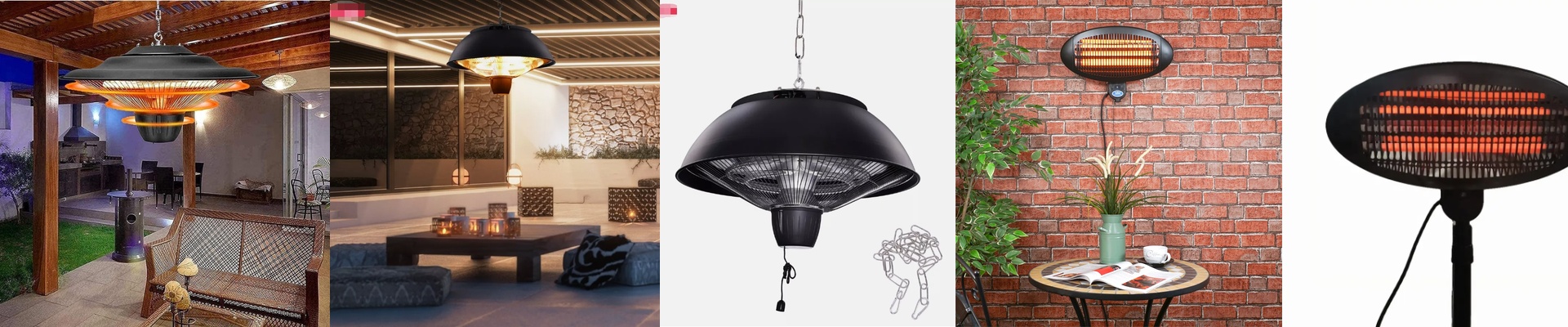
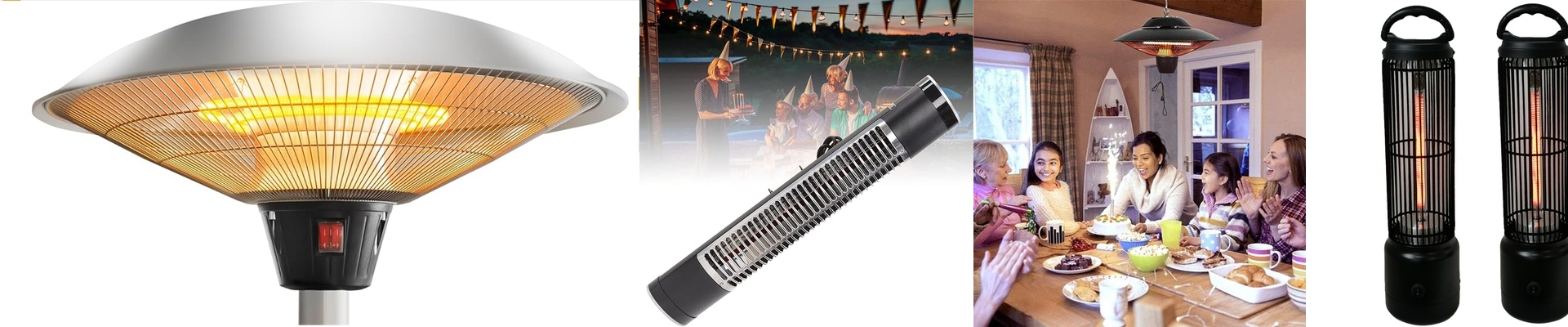
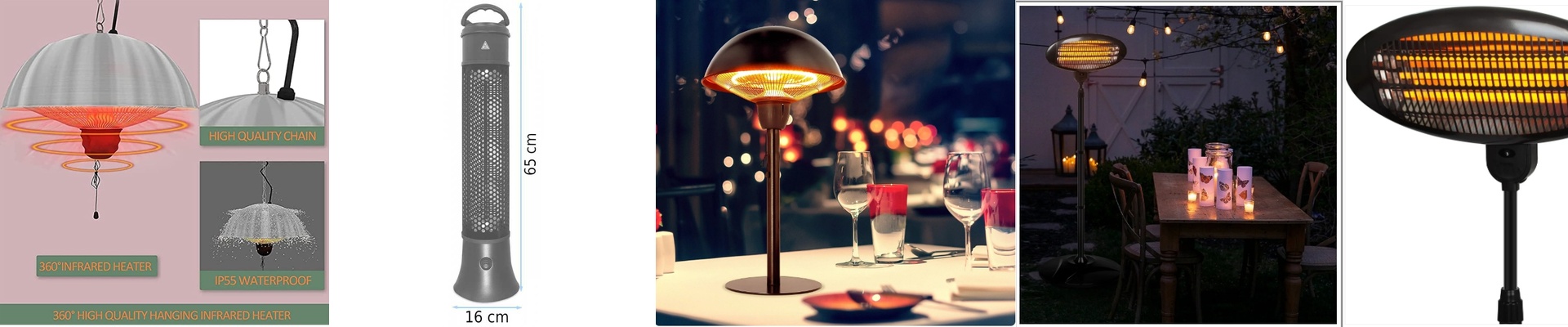
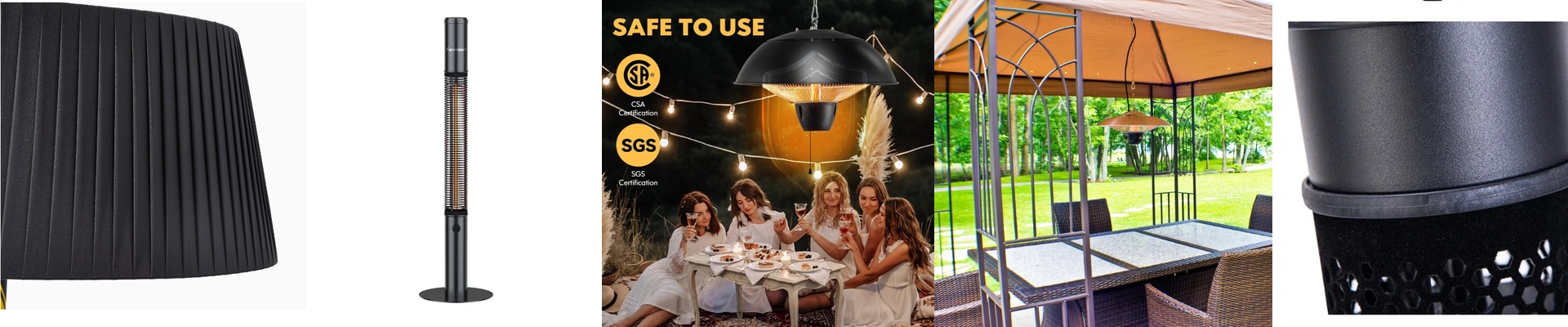
Let’s be honest: standard infrared heaters and moisture don’t get along. At all. If you’ve ever run these in a misty or wet environment, you know the drill. Water sneaks in, something shorts out, or the quartz glass just snaps from the thermal shock. It’s frustrating, it’s expensive, and it kills your productivity. We got tired of seeing it happen, so we built the IP65 series to actually handle the mess. The secret to keeping water out When we say “IP65,” we’re basically saying this thing is a fortress. It’s dust-tight and can take a blast of water from pretty much any angle without blinking. How? We stopped relying on “good enough” seals. We used high-temp gaskets to lock down the electrical junctions and the lamp housing. It means when you’re hosing down a work area, the internals stay bone-dry. No leaks, no shorts, no headaches. Fighting the fog Fog is a sneaky problem. It doesn’t just block the heat; it carries grit and chemicals that chew through your reflectors over time. To stop that, we added a special coating to the reflective surface that basically tells water to get lost. Instead of the heat scattering everywhere because of a layer of grime, the infrared energy stays focused exactly where you need it. Plus, we picked materials that won’t pit or rust, even if the humidity is constant. The honest trade-off Now, here’s the catch. When you seal a unit this tightly to keep water out, the heat has nowhere to go. Because it’s not an open-frame design, the internal electronics run a bit hotter. You can’t just cram these into a tiny, tight space and expect them to behave. Give them some breathing room. If you pack them too close together, you’ll likely trip the thermal cutout, and then you’re back to square one. Less swapping, more working The real win here is the lifespan. By blocking out the salt spray and the splashes, these units just… last. You stop spending your weekends swapping out burnt-out lamps. You just install them and forget about them. If you’ve got a spot where moisture usually kills your gear, this is the drop-in fix you’ve been looking for.