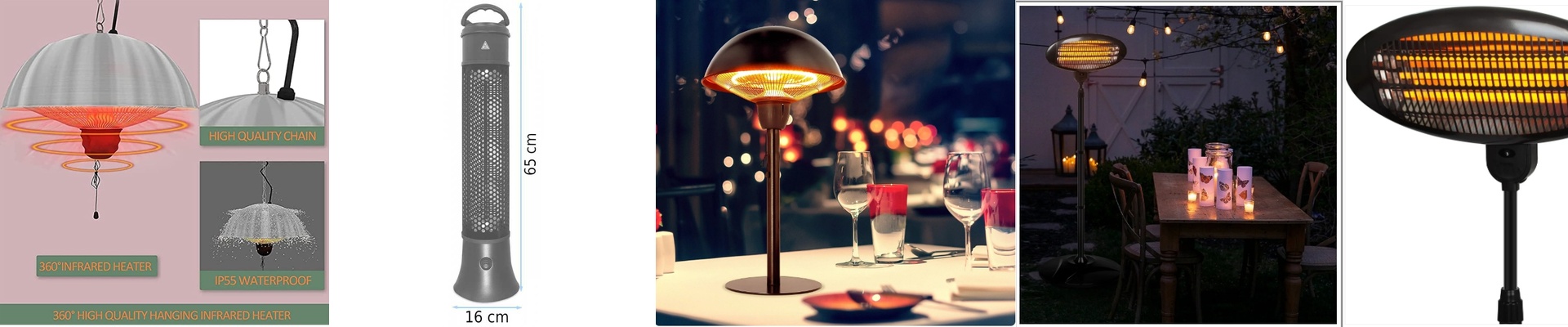
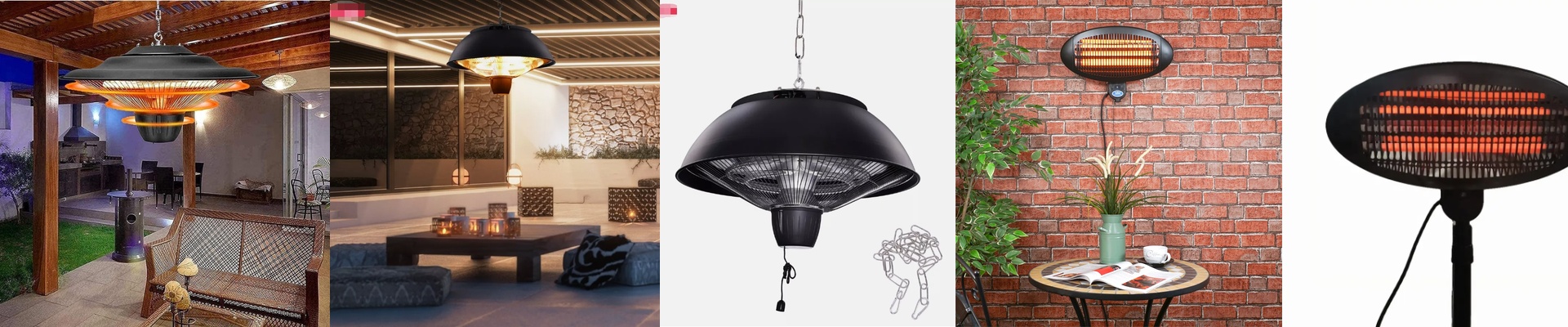
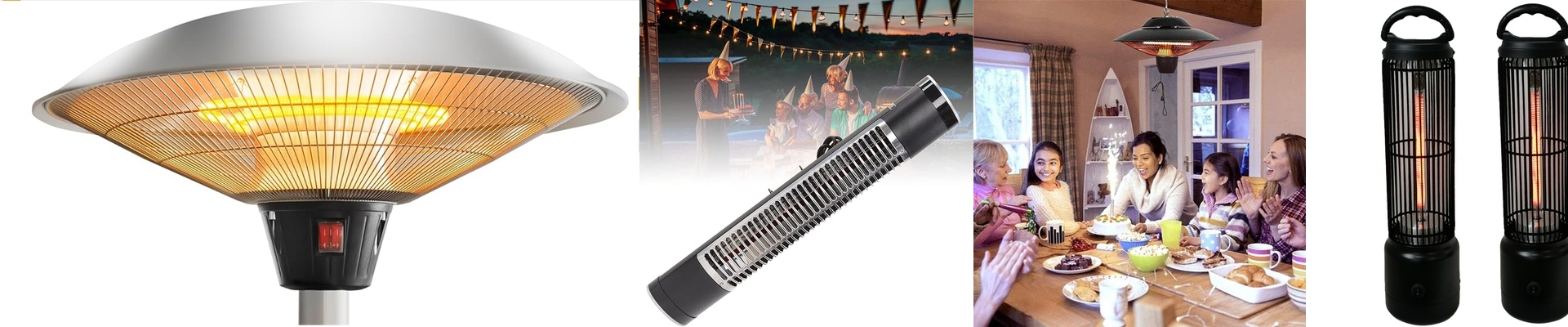
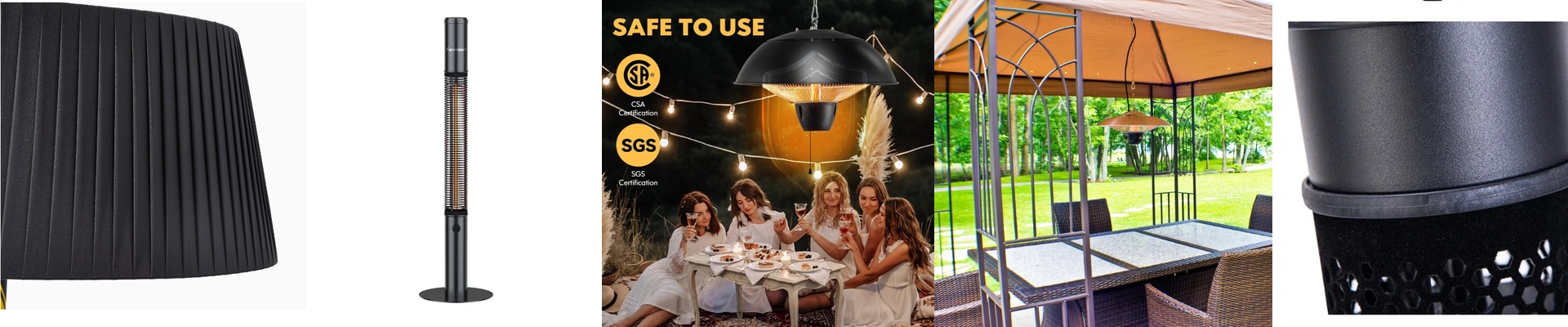
Why Most Bathroom Heaters Die (And How We Stop It)
Let’s be honest: bathrooms are a nightmare for electronics. Between the thick steam from a hot shower and the occasional splash of water, it’s basically a torture chamber for heating elements. Most heaters just can’t take it. They oxidize, they short out, and they end up in a landfill way too soon. We wanted to build something that actually lasts.
Keeping the water out
The biggest killer? Water getting where it shouldn’t. When steam creeps into the internal wiring, it’s game over. Even worse, if a drop of water hits a red-hot quartz tube, the thermal shock can crack the glass instantly. That’s why we obsess over the seals. We use IP-rated gaskets around the electrical terminals to block out the moisture. We also shaped the housing to act like a shield, diverting splashes away from the guts of the machine. It stops that dreaded “burn out” you see in cheap units where water creates a bridge between live parts.
The problem with fog
You know that layer of condensation that builds up on a heater? It’s not just annoying to look at. It actually blocks the heat. When fog settles on the face of the heater, it acts like a blanket, forcing the element to work twice as hard to get the room warm. To fix this, we used specific coatings and a clever airflow design to keep the emitters clear. You get a steady, honest heat without the unit struggling.
A quick heads-up on installation
Here’s the thing: sealing a unit tightly to keep water out creates a new problem. It can trap heat inside the chassis. If you cram the heater into a tiny, tight soffit with no room to breathe, the internal temperature will spike. That’s a fast track to frying your capacitors and wiring. We built these to take a beating in wet zones, but they still need a little breathing room. Just give the unit the clearance we recommend for passive venting, and it’ll keep you warm for years.