Making Smart Infrared Heaters Actually Work
When people talk about putting infrared heaters into a smart home, they usually obsess over the app. But honestly? The app is the easy part. The real battle is happening inside the hardware—specifically how the machine handles power surges and the elements. If you want that “instant spring” feeling in the middle of January, you need short-wave infrared. It doesn’t waste time trying to warm up the entire room of air. Instead, it sends heat directly to you. It’s like stepping into a beam of sunlight.
Dealing with Water and Steam
We stick to the IPX5 standard for these units. In plain English: the casing can take a blast of water from any angle and keep ticking. Think about where these usually go—steamy bathrooms or covered patios. That’s a nightmare for electronics. One leak or a spike in humidity and your control board is toast. To stop that from happening, we seal every junction and use heavy-duty gaskets. It keeps the guts of the machine dry so you aren’t replacing your heater every two years.
The “Click” and the Current
Getting a heater to turn on via a voice command or a phone tap sounds simple. You just need a smart relay or a Zigbee/Matter controller. But here’s the catch: the “inrush current.” The very millisecond an infrared lamp flips on, it pulls a massive amount of power. If you use a cheap relay, the contacts can literally weld themselves shut. Not great. That’s why we use heavy-duty gear that can handle the punch. The result? It’s fast. Really fast. You tell your house to warm up, the relay snaps shut, and you feel the heat in seconds.
The Reality of the Install
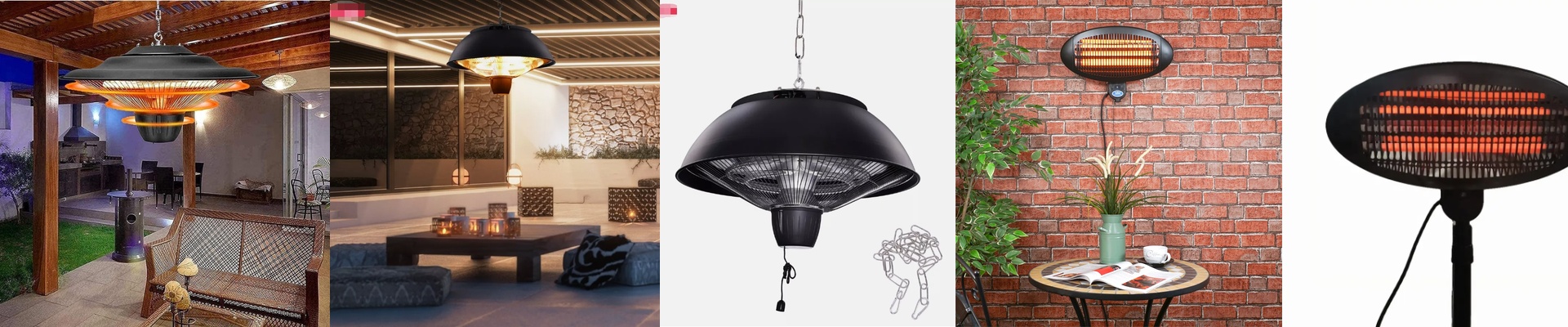
Here is where things get tricky. These units put out a lot of intense, localized heat. Even with the IPX5 protection, the heater still needs to breathe. I’ve seen people tuck these too tightly into sleek ceiling mounts to make them look “hidden.” That’s a mistake. If there’s no airflow, the thermal cutoff switch will trip, or worse, the internal circuitry will just bake itself. And a pro tip: use high-temp cabling. If you use standard wire, the insulation will get brittle and crack after a couple of seasons. Nobody wants to deal with that.