
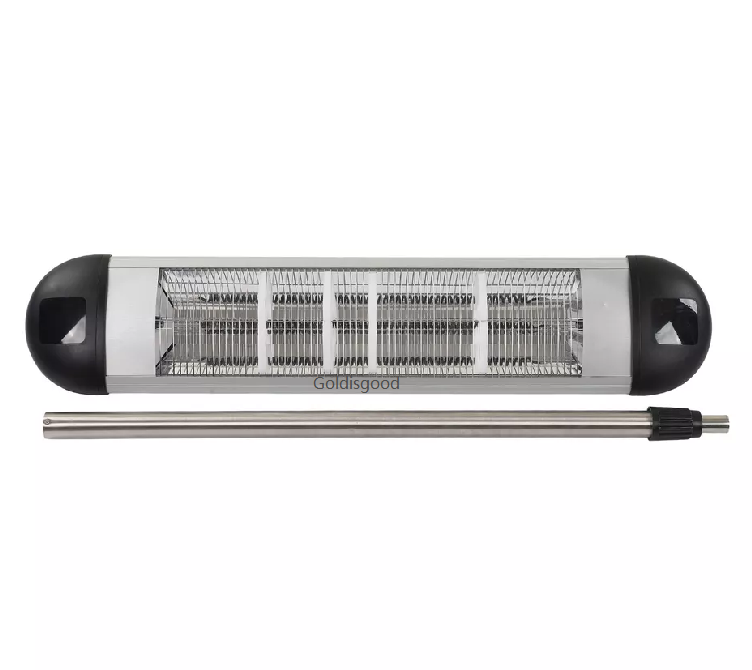
Making Your Outdoor Heaters Actually Last
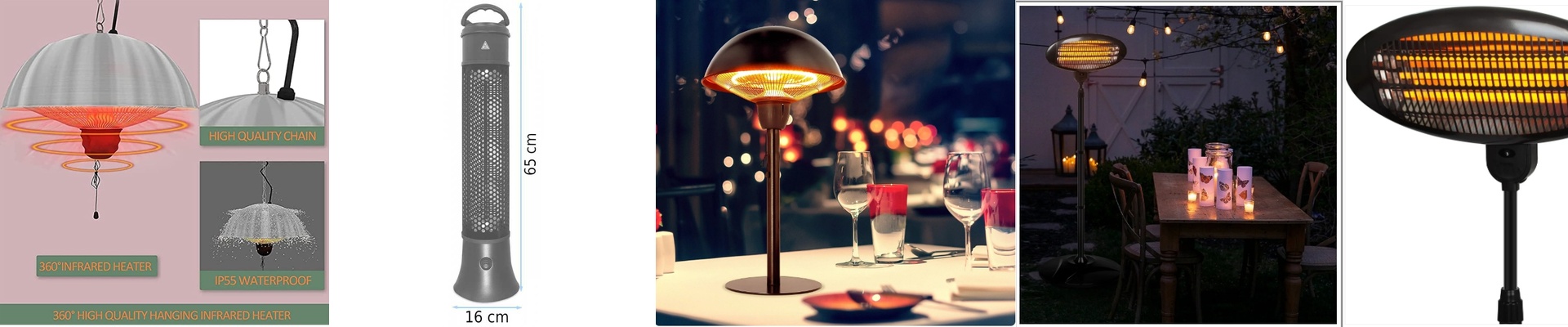
If you’ve ever owned an outdoor infrared heater, you know the drill. One season it’s great, and the next, it’s basically a fancy piece of scrap metal. Usually, it comes down to two things: water getting where it shouldn’t and that annoying cloudiness that forms over the lens. When moisture hits a red-hot heating element or settles on the reflector, it doesn’t just make the heater less effective. It kills the thing. It leads to electrical shorts and premature burnouts. We got tired of seeing that happen, so we changed how we build our outdoor line. Keeping the water out Most heaters fail because water sneaks into the lamp socket or the electrical housing. Simple, but deadly. We went with a sealed chassis and a proper IP-rating to keep splashes and rain out of the guts of the machine. This keeps the wiring dry, even when the dew is heavy or the rain is coming down hard. But the real secret is the seal between the lamp and the housing. If water leaks into the quartz tube’s end caps, the thermal shock can actually crack the glass. Not a good look. We added splash-proof gaskets to stop that from happening. It means your heater can take a beating from the weather without shorting out on you. The fight against the fog Then there’s the fogging. You know that hazy film that appears on the emitter or reflector? That happens because of the temperature difference. That thin layer of moisture blocks the infrared waves, and suddenly, you’re shivering even though the heater is on. To fix this, we played around with the airflow. By tweaking how the heat moves around the edges, we keep the surface temperature just above the dew point. The result? A clear lens and a lot more heat hitting your skin. The honest truth about maintenance Look, no seal lasts forever. These designs definitely make your heater live longer, but gaskets eventually wear out. A few seasons of freezing winters and scorching summers will take a toll. Do yourself a favor and check the seals once a year. If they perish, moisture gets in, and your element will burn out way faster than it should. Also, keep the housing clean. Salt and grime can mess with the airflow, which brings back the fogging. A quick wipe-down goes a long way.