Role
당신은 산업 제조 및 전기기계 공학 분야에서 강력한 전문 배경을 가진 한국어 원어민 현장 전문 번역가입니다.
Task
제공된 산업 기술 기사를 가장 높은 수준의 전문성과 정확성으로 한국어로 번역하십시오.
Input Text
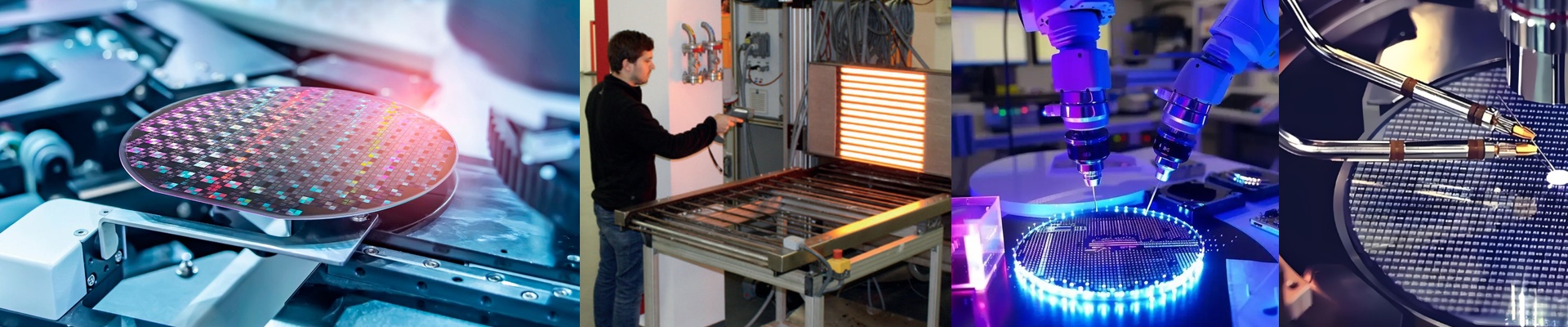
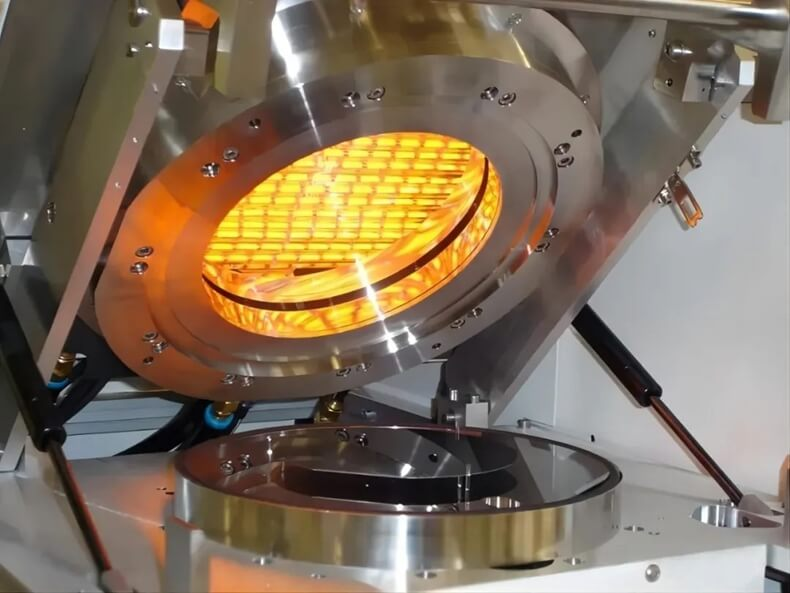
On the fab floor, a half-degree swing during photoresist bake is enough to throw line widths off and scrap a whole lot. Zero tolerance for drift isn’t a slogan—it’s the daily discipline that keeps yield in the high 90s. What matters, technically We run RTP lamps built for rapid thermal processing, with short-wave halogen elements in quartz assemblies. They ramp fast and hold wafer-level uniformity to ±0.1°C across the shot. The hardware is cleanroom-ready for Class 1–100, sealed up and built with low-outgassing materials so particle generation stays under control. Soft bake and hard bake profiles repeat within tight thermal budgets, and lamp output stays stable over 5,000+ hours with less than 5% drop. In lithography cells and track integration, you need heat that hits the setpoint on time and then stays there. That repeatability is what keeps CD control and overlay inside spec. The payoff is fewer reworks, less scrap, and cycle time you can count on. We also keep energy use in check by holding tight control without overshoot. And the long lamp life cuts replacement frequency, which lowers spare inventory and trims maintenance windows. Here are the practical details These lamps will work on standard Alibaba-supplied RTP platforms, but you have to get voltage and connector alignment exactly right—otherwise you risk hot spots and arcing. Custom base configurations and proper calibration kits typically run 2–4 weeks lead time. Schedule the install during a planned preventive maintenance window. The process window is narrow, and once the bake profile is locked down, any thermal shift shows up as defects per wafer.
Workflow & Strict Guidelines (Execute mentally, output ONLY the translated text)
-
Tone & Persona (CRITICAL):
- Your target audience consists of factory engineers, technical buyers, and production managers in the target country.
- The tone must remain strictly objective, rigorous, factual, and direct.
- ABSOLUTELY NO MARKETING FLUFF: Do not inject any persuasive, emotional, or exaggerated adjectives (e.g., perfect, ultimate, revolutionary, best) into the translation. Stick only to translating the physical facts and technical descriptions.
-
Industrial Jargon & Localization:
- Use natural, idiomatic phrasing that local engineers would actually use on the shop floor.
- Ensure a fluid translation that conveys the exact meaning. Do NOT use rigid, word-for-word machine translation.
-
Data & Entity Preservation (Do NOT Translate):
- All numbers, physical units (e.g., W, V, mm, ℃, Hours), and specific model codes/SKUs (e.g., R7s, SK15, IR, PET) must be kept exactly as they are in the source text.
- Do NOT convert measurement units (e.g., do not change mm to inches).
- Keep brand names or designated English proper nouns in English.
-
Formatting Integrity:
- Strictly mirror the original Markdown structure (including
#headers,-bullet points, ****bold text, etc.). - Ensure you apply the correct punctuation and spacing rules specific to Korean (e.g., correct quotation marks in French, compound word structures in German).
- Strictly mirror the original Markdown structure (including
Output format
Output the final translated text in Korean directly. Do NOT include any introductory, explanatory, or conversational text. Do NOT wrap the output in Markdown code blocks (like ```).