Don’t Mess Up Your Infrared Heater Install: A Guide to Ceiling Space
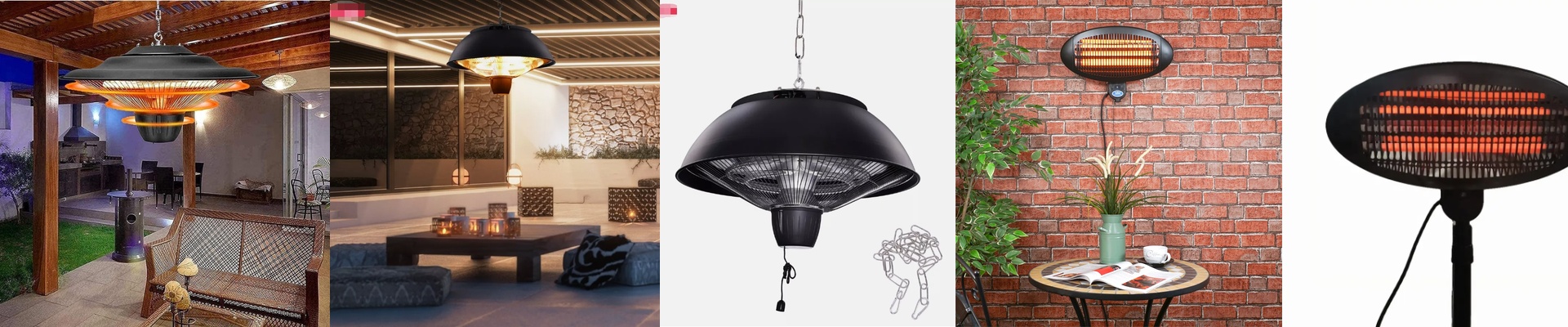
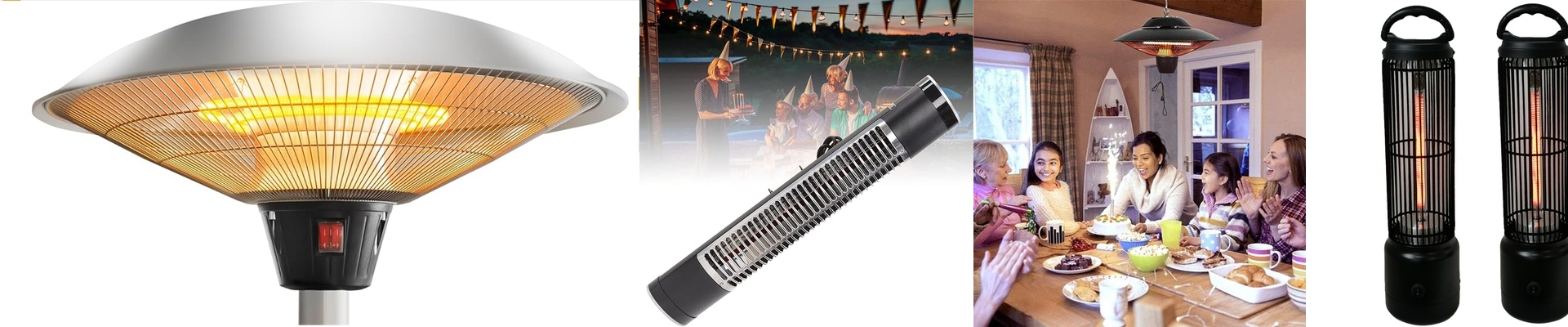
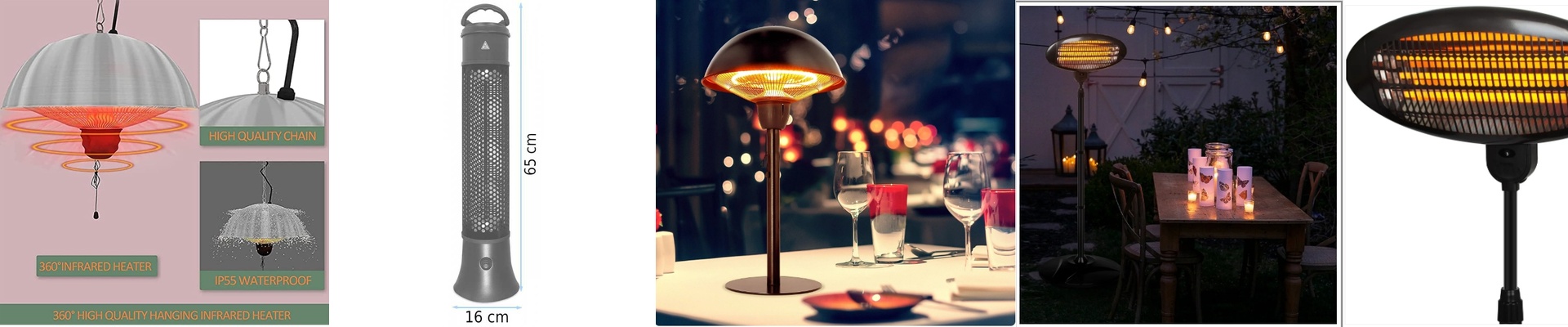
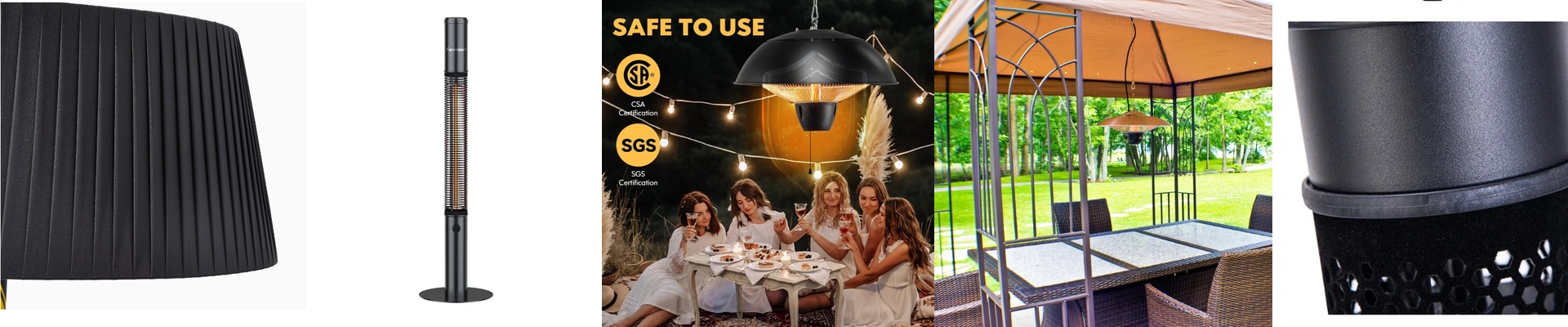
If you’re putting infrared heaters in a busy spot—like a changing room—you’ve got to get the placement right. Here’s the thing: these aren’t your typical space heaters. They don’t just warm up the air; they shoot out waves of heat that hit whatever is in their path. If you mount them too close to the ceiling, you’re basically creating a heat trap. It’s a waste of power, and it can actually damage your building. Giving it some breathing room You generally want a gap of about 0.5 to 1.5 meters between the heater and the ceiling. The wattage determines exactly where you land in that range. Why? Because if the heater is jammed up against the ceiling, the heat hits the surface and bounces right back into the unit. It’s a nasty little loop that can cause the heater to overheat or just shut itself off entirely. Then there are shortwave heaters. These are great because they feel instant. But that intensity is a double-edged sword. If your ceiling is made of PVC or those cheap acoustic tiles, you need an even bigger gap. Otherwise, you’re looking at warped plastic or melted tiles. Not a great look. The trade-offs We all want that luxury, “five-star” warmth the second someone walks in. But you can’t just slap a high-powered unit anywhere and hope for the best. Pushing the heater too close to the top creates “hot spots.” Over time, your paint will peel or the ceiling will start to discolor. A pro tip? Angle the heater slightly downward. It pushes the heat toward the people and the floor, which keeps the ceiling cool and makes the whole room feel warmer. It’s a simple tweak, but it’s surprising how often people forget to do it. The boring (but important) stuff Double-check your brackets and wiring. These high-heat units are heavy and they expand as they get hot, so make sure your ceiling can actually handle the stress. If you’re stuck in a tight space and can’t get that perfect gap, try using a reflector. It helps bounce the heat away from the ceiling and puts it exactly where it belongs: on the people using the room.