
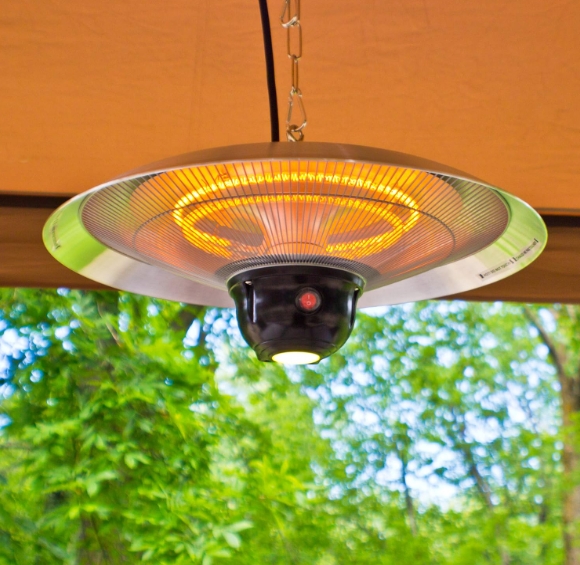
Why we built our 1500W heaters to be modular
Let’s be honest about most gazebo heaters. They’re usually sealed shut. Once a heating element burns out after a few winters, the whole thing is basically trash. You end up tossing a perfectly good fixture into a landfill just because one tiny part quit on you. We hated that. So we did things differently.
The thinking behind it
Pushing 1500W of heat is no joke. If you don’t manage that thermal load correctly, your ceiling housing will start to warp. To stop that from happening, we separated the heating tube from the main chassis. Think of it like a lightbulb. When the bulb goes, you don’t throw away the whole lamp, right? It’s the same here. If a quartz tube fails, you just swap the element. You keep the rest.
Fixing it without the headache
Fast forward five years. Something breaks. With our setup, you don’t have to spend your Saturday rewiring your entire gazebo. We used quick-connect terminals. You just pull out the old tube, slide in a new one, and lock it in place. It’s a simple drop-in replacement. What used to be a multi-hour project now takes a couple of minutes. Now, we use high-grade quartz glass because these things take a beating from the outdoor weather. But a quick tip: when you’re swapping them,**make sure those connectors are seated tight.**If the pins aren’t locked in, you’ll get arcing at the terminals, and nobody wants that.
The trade-offs (because nothing is perfect)
Here’s the thing: modular systems have more connection points than a hard-wired unit. More joints mean more places where things could potentially wiggle loose if the unit gets shaken or vibrated. We added locking clips to keep everything snug, but it’s still a good idea to check the wiring tension every couple of seasons. Just a quick peek to make sure everything is still tight. One last thing. That 1500W density gives you that “instant warmth” feeling the second you flip the switch, but it does pull a lot of power. Just double-check that your gazebo’s electrical setup can handle the draw so you aren’t constantly tripping the breaker.