How to Actually Heat Big, Drafty Spaces
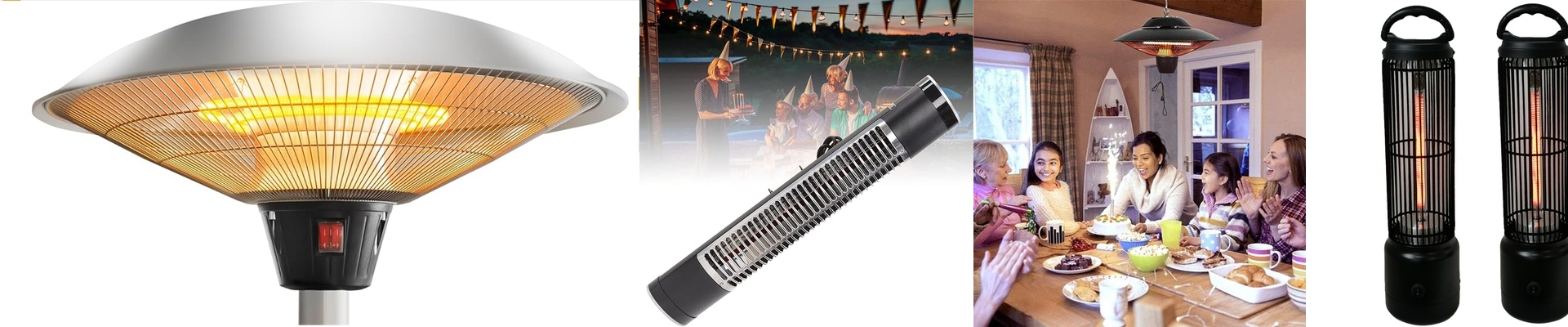
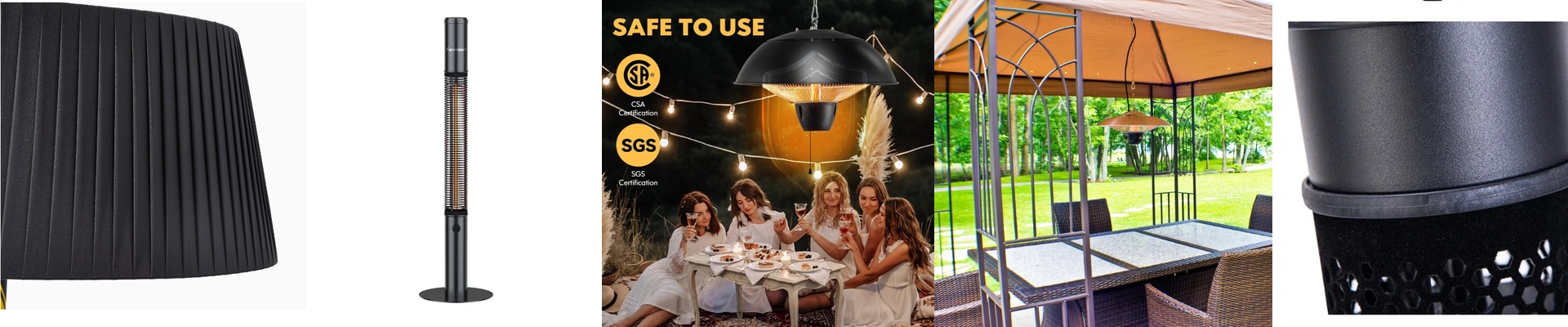
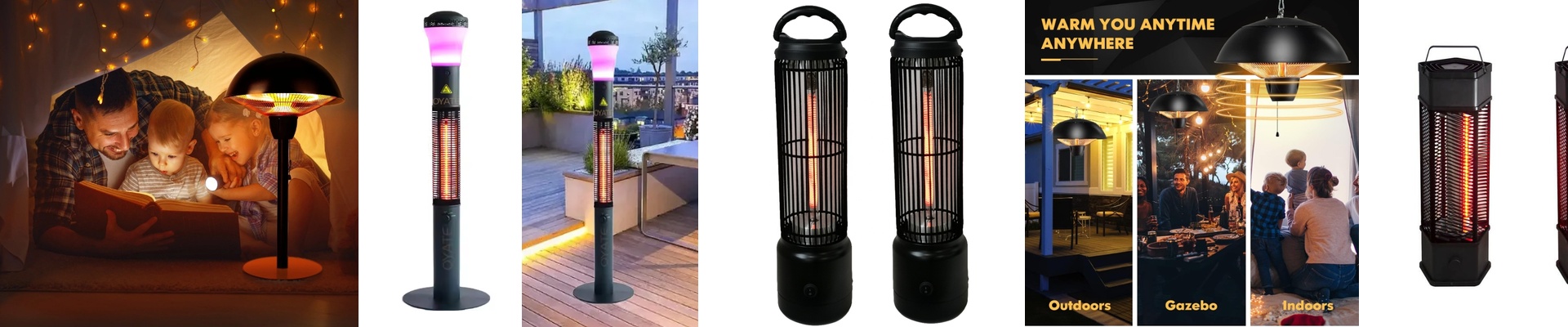
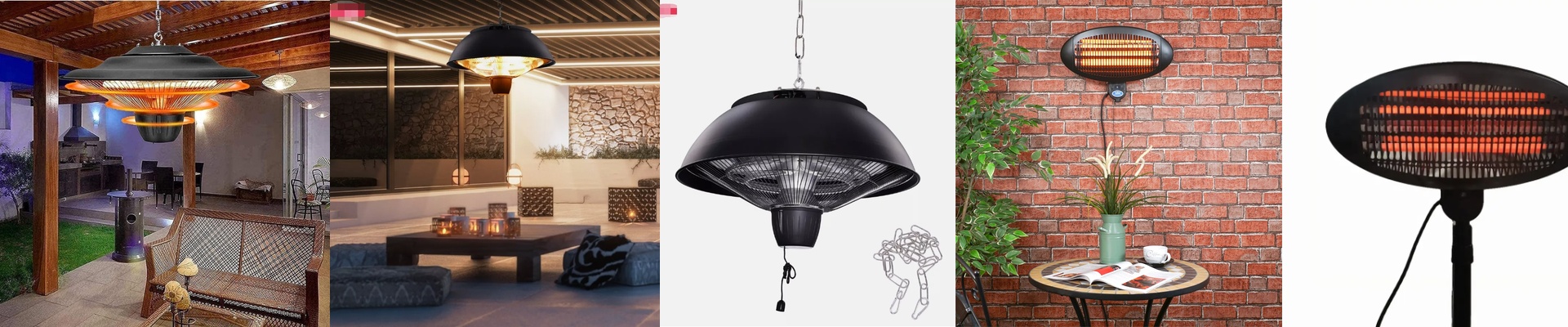
If you’ve ever tried to heat a changing room or a lobby with massive ceilings, you know the struggle. You crank up the heat, but the warm air just floats up to the ceiling while you’re left shivering on the floor. That’s because air is honestly terrible at moving heat around. That’s why we go with ceiling-mounted shortwave infrared (IR) heaters. Instead of trying to warm up the air, these things beam energy straight down. It moves at the speed of light. It doesn’t care if the room is freezing; it just hits you and warms you up instantly. The “Instant-On” Feel Most heaters—like those clunky oil radiators or forced-air vents—have to warm up a “medium” first. You’re basically waiting for the machine to get hot, then waiting for the air to get hot, and then waiting for you to feel it. IR is different. We use quartz halogen tubes that get incredibly hot, fast. The second you step under that beam, you feel it on your skin and clothes. It’s that immediate “ah, finally” feeling. Getting the Setup Right We put these on the ceiling to cover as much ground as possible. But here’s the catch: distance matters. The higher you mount them, the weaker the heat feels by the time it reaches the floor. If you put them too high, you lose that cozy, high-end warmth that makes a space feel inviting. Also, a quick heads-up on the electrics. These arrays pull a lot of power. If you just plug them into any old circuit, you’re going to be tripping breakers all day. They need their own dedicated lines to handle the load. Keeping it Comfortable Shortwave IR is powerful. Like, really powerful. If someone stands directly under a high-output lamp for too long, they’re going to start feeling baked. To stop that from happening, we hook them up to motion sensors or timers. That way, the heat is there when you need it, but it doesn’t stay on forever. It saves the bulbs from burning out and keeps your guests from overheating. You get the warmth without the sweat.