Cleaning Up How We Make Carbon Nanotubes
Making carbon nanotubes is all about heat. If you don’t get the temperature exactly right, your catalysts won’t activate, and the whole batch is a waste. For a long time, we relied on those big resistive furnaces, but we’ve swapped them out for shortwave infrared (IR) systems. It’s a smarter way to work, and it seriously cuts down on the energy we’re burning through.
Why IR Just Makes Sense
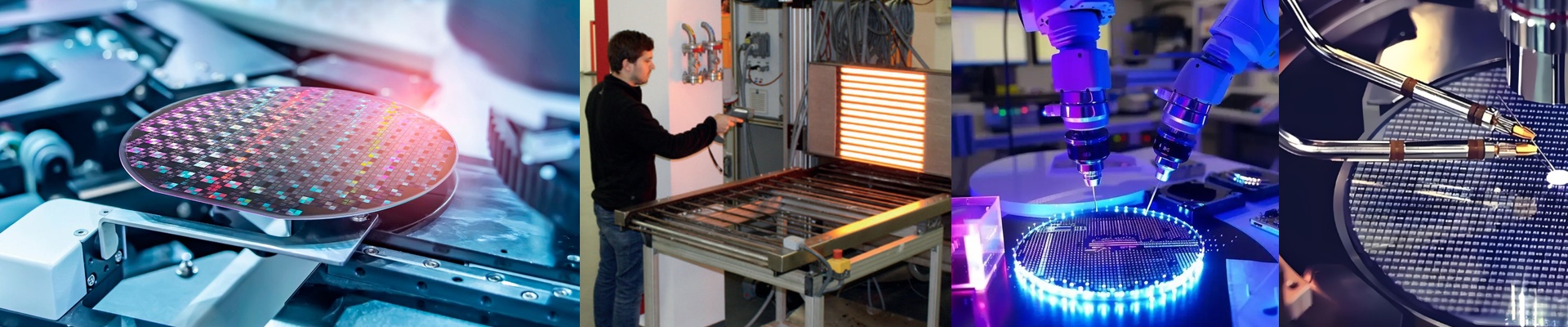
Here’s the thing: traditional ovens heat the air, which then heats the part. That’s a lot of wasted energy just to warm up a big metal box. IR is different. It uses radiation to hit the substrate directly. It’s fast. Really fast. We can hit peak temperatures in seconds, which means the system isn’t just sitting there idling and eating power. You get a much tighter thermal profile, and the workflow feels a lot snappier. One heads-up, though. Because we’re pushing for these rapid growth cycles, the power draw can spike. You’ll want to make sure your power units can handle that initial surge, or you’re going to be tripping breakers all day.
The Gear Under the Hood
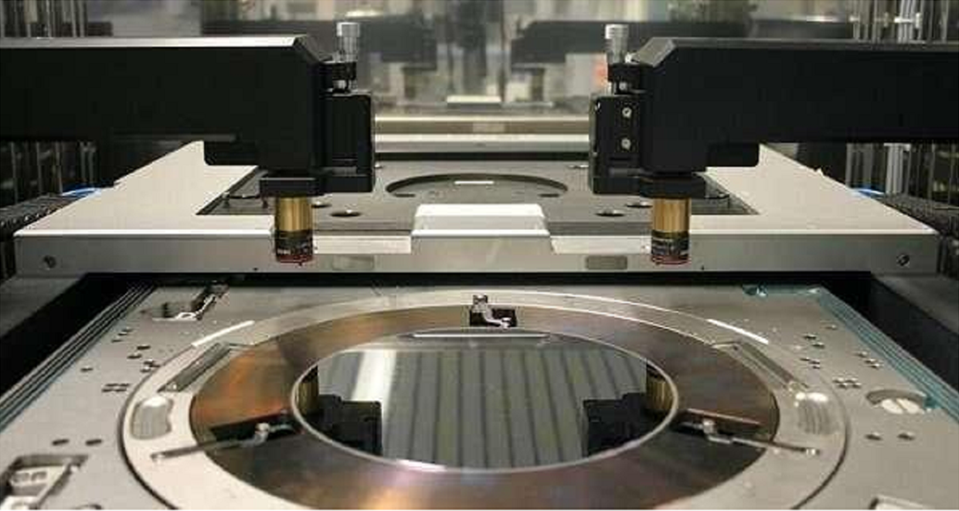
We use quartz-halogen emitters for this. quartz is great because it doesn’t warp when things get scorching, and the halogen cycle keeps the filaments from burning out too quickly. We usually stick with R7s or Sk15 connectors—they’re secure, and they generally slide right into most standard IR housings without a fight. We can even coat the emitters to tweak the light. By using a selective coating, we can point the energy right at the catalyst layer of the wafer. It keeps the surrounding hardware from soaking up heat it doesn’t need.
The Reality Check
Switching to IR is a win for the planet because you’re using way fewer kWh per wafer. It’s a much cleaner way to run a factory. But it isn’t perfect. IR is line-of-sight. If your substrate is slightly uneven or your lamp is off by just a few millimeters, you’ll end up with cold spots. Then your growth rate starts varying across the wafer, and you’ve got a problem. To avoid that, you need a rock-solid mounting jig to keep everything locked in place.