Why Vacuum IR Heating Beats Hot Air in Semiconductor Work
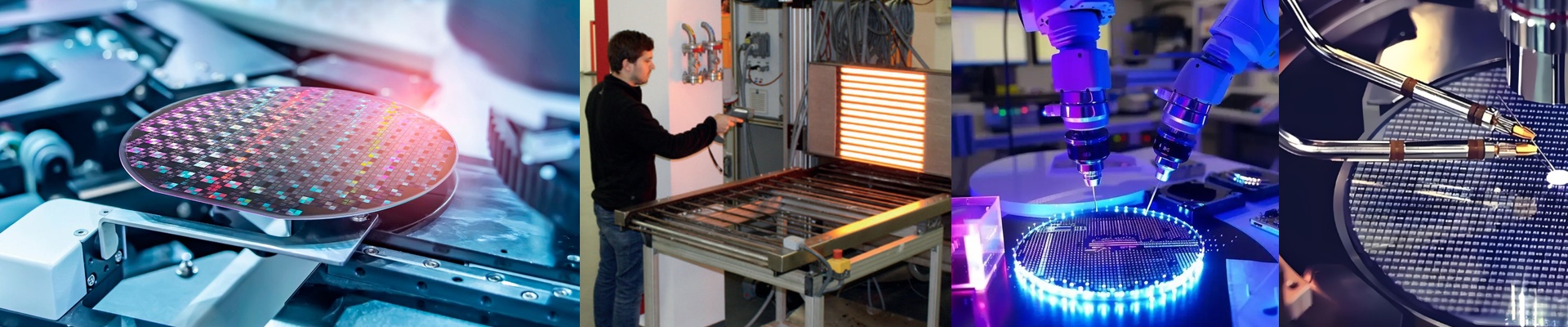
If you’ve spent any time in semiconductor processing, you know the frustration of waiting. Specifically, waiting for things to heat up. For a long time, we relied on hot air circulation. But here’s the problem: air is just a middleman. You’re heating the air, which heats the walls, which eventually heats your wafer. It’s slow. It’s clunky. When you move to a vacuum, that middleman is gone. There is no air to move. So, we use infrared (IR) lamps to beam energy straight into the substrate. No waiting. No detours. The “Time Tax” Traditional hot air systems have a lot of thermal inertia. It feels like trying to heat a swimming pool with a hair dryer—you’re wasting a ton of time just getting the environment ready. This “time cost” kills your productivity during ramp-up and cool-down. IR heaters just skip the line. The photons hit the target instantly. In rapid thermal processing (RTP), this is where things get exciting. We’re talking about cutting ramp-up times from minutes down to seconds. Suddenly, you aren’t staring at a timer waiting for a blower or a heat exchanger to catch up. You’re actually working. The Tricky Parts Now, you can’t just toss a lightbulb into a vacuum chamber and call it a day. You have to deal with outgassing. If your seals aren’t vacuum-rated or your quartz envelopes aren’t specialized, you’ll leak contaminants right onto your wafer. That’s a nightmare you don’t want. Then there’s the power balance. High-wattage tubes pack a punch, but if the lamp is too close to the wafer, you get hot spots. It’s a delicate dance between the focal length and the thermal mass of your substrate. Push too many watts too fast into a thin wafer, and you’ll end up with warping or thermal shock. Fitting it All In One of the best parts? IR heaters don’t need those massive, bulky air ducts. They take up way less space. Plus, you can set them up with zoned control. Instead of the uneven temperature gradients you get with forced air, you can tweak the heat across different areas of the wafer. Just a heads-up: keep an eye on your cooling system. Since the chamber walls are soaking up radiative load, you need a setup that can handle it—otherwise, your vacuum pumps are going to start overheating.