

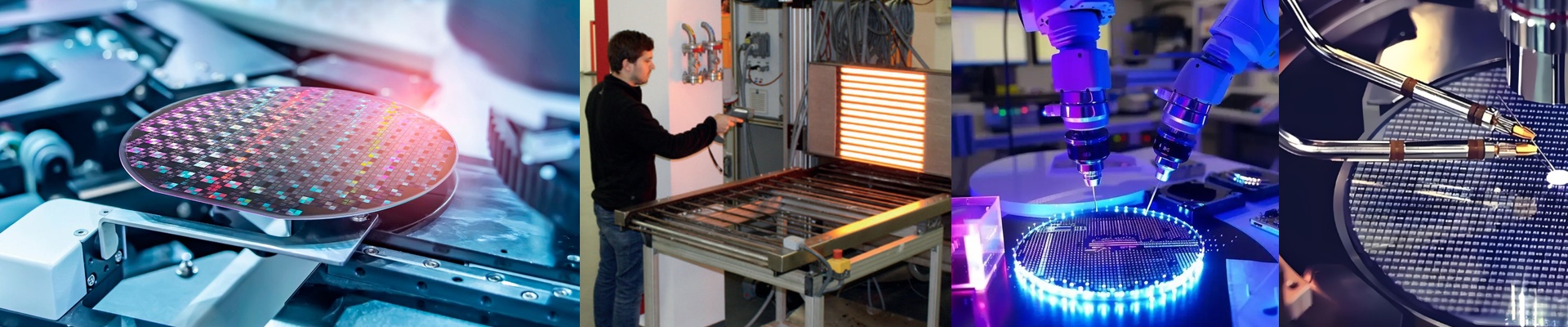
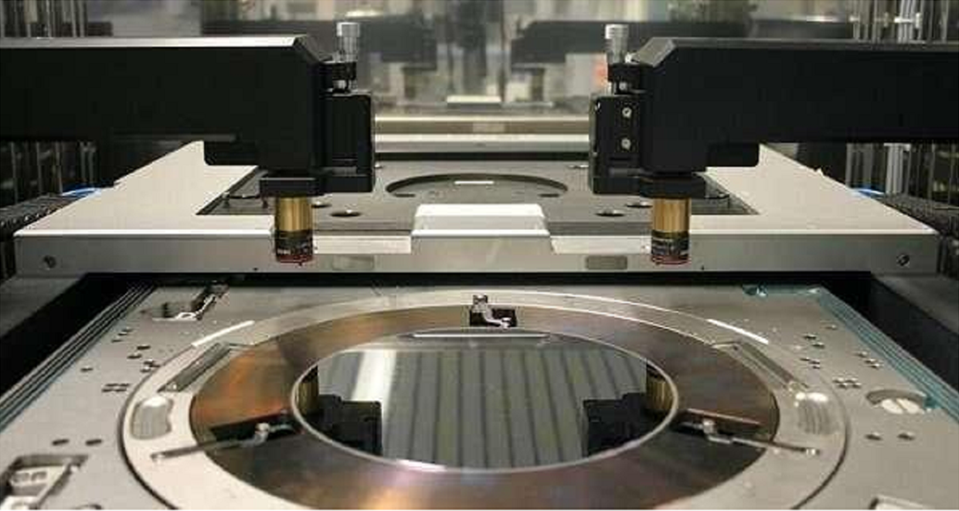
Out on the line, temperature isn’t just a dial setting—it’s a process dimension you feel every shift. A half-degree drift in soft bake or hard bake will move CDs, shave the resist profile, and push yield off spec before you even see it. Oxford Instruments heater elements are built for that reality: deliver repeatable heat right where the wafer needs it, without adding noise. The core is about stable, controlled delivery. The element uses short-wave or medium-wave infrared to couple energy efficiently into the quartz and the parts that touch the process. That gives you fast response with low thermal inertia. In production, that translates to wafer-level uniformity within ±0.1°C across the bake surface. Every site gets the same thermal budget. The materials and construction are chosen for cleanroom use—Class 1–100 environments—with zero particle generation and low outgassing. Power, voltage, and dimensions line up with common tool footprints, and the connector options help keep installation variability out of the equation. This matters most in lithography and photoresist processing, where bake temperature precision sets critical dimensions and sidewall angle. You get consistent soft bake and hard bake performance, fewer reworks, and fewer excursions tied to thermal drift. The element’s reliability keeps 24/7 operation steady, cutting unplanned downtime and trimming the hidden cost of maintenance windows. Efficient coupling and tight temperature control also keep energy use in line, without sacrificing throughput. Installation is straightforward, but you still have to pay attention. Match the specified voltage and cooling conditions, and confirm the mounting interface tolerances so the designed gap—and uniformity—stay intact. Plan for periodic temperature calibration checks, and keep handling cleanroom-compatible to hold particle counts down. Do that, and the heater element behaves like a fixed, repeatable part of the process—not another variable.