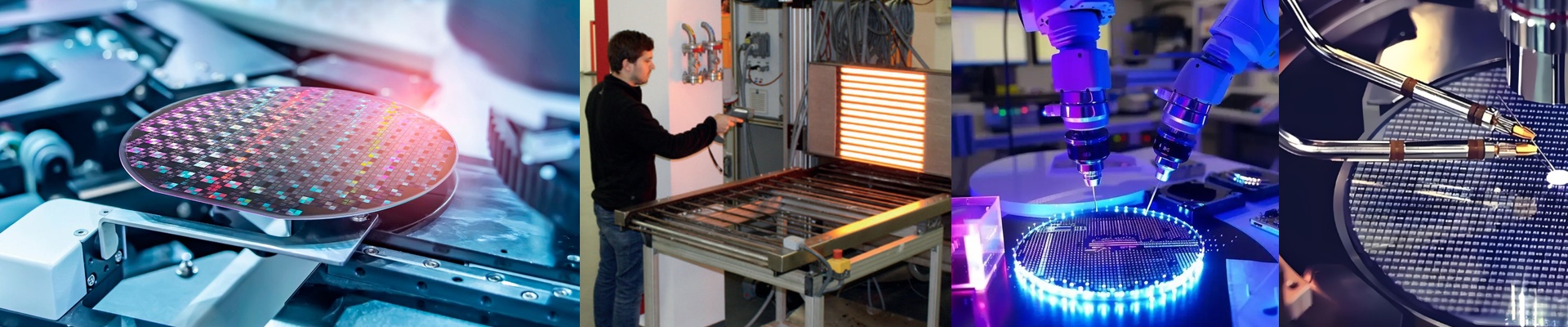

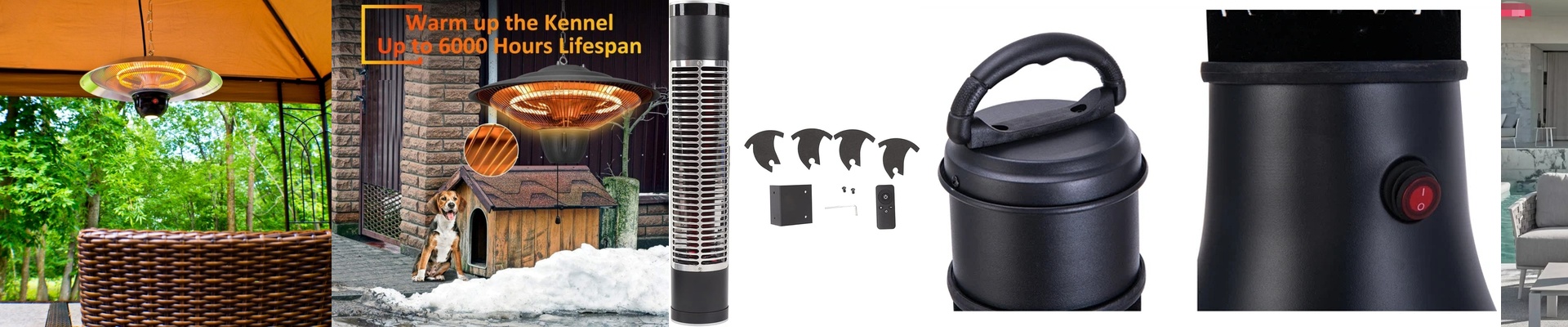
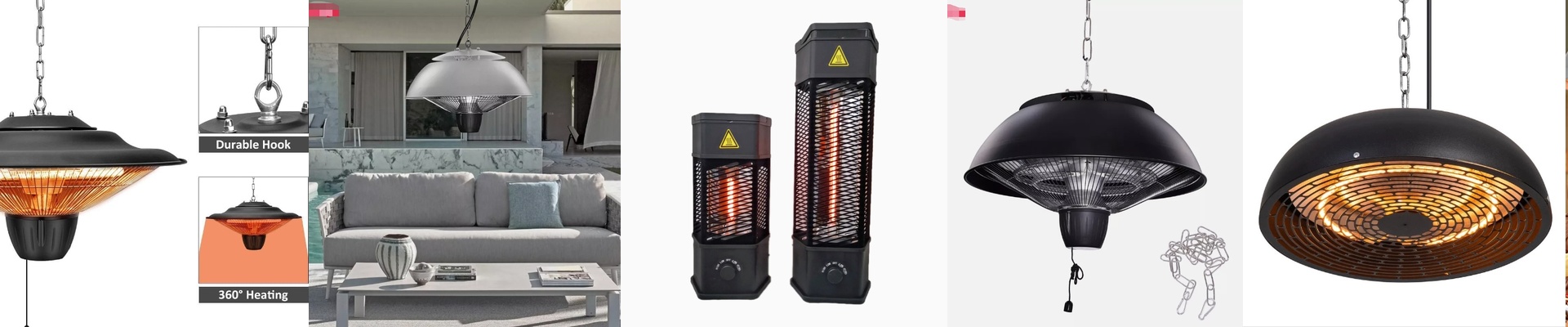
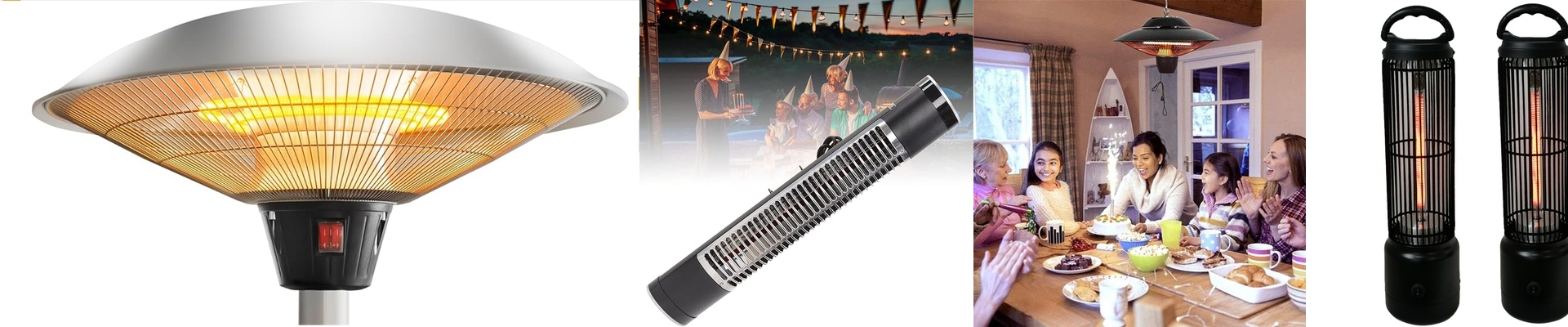
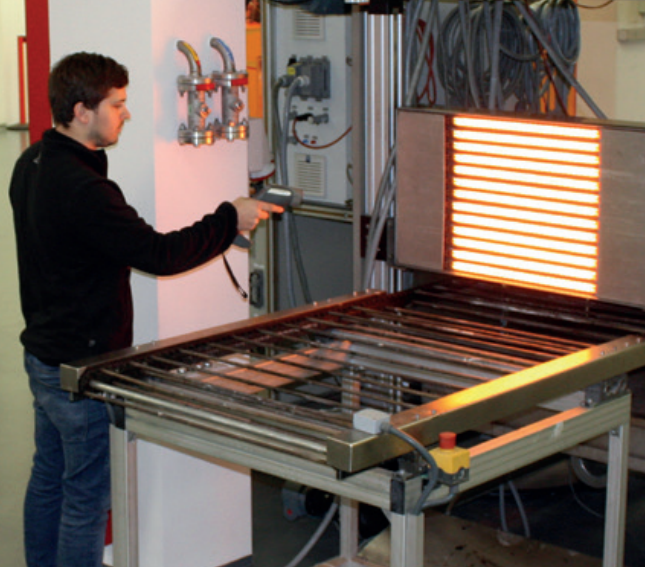
On the fab floor, thermal drift is the quiet yield killer you can’t always see. A 0.5°C swing during photoresist soft bake can throw off critical dimensions. A non-uniform dry after cleaning? That’s how you get water marks that turn into defects down the line. We built the Lab on a Chip drying heater to take that uncertainty off the table. What matters, technically We run short-wave infrared with quartz-halogen emitters—fast, clean energy transfer that doesn’t make you chase hot spots. Across the active area, wafer-level uniformity holds at ±0.1°C, and setpoint repeatability sits at ±0.5°C. That means every soft bake and hard bake follows the same thermal budget, lot after lot. Temperature ramps are controlled to 2°C/s, and overshoot is suppressed. That matters when you’re stripping solvents out of thin films without stressing them. The design is cleanroom-compatible for Class 1–100: zero particle generation at the hot zone, exhaust isolation, and a housing that plays nice with HEPA. Power density is tuned for quick thermal response without creating gradients, and it integrates into standard process tools through CE-compliant power and signal interfaces. Why this works where it counts In wafer drying, the heat is fast and even, so surface tension collapses quickly. You get an atomically clean surface after the DI rinse, no water breakup. In lithography, soft bake and hard bake profiles execute with tight uniformity—CDs stay stable, and line-edge roughness drops off. In packaging, the heater gives you controlled curing for encapsulants and underfills. Adhesion improves, and voiding stays minimal. The practical payoff is fewer reworks, cycle times that don’t jump around, and predictable energy draw thanks to precise duty-cycle control. The details you need to plan for The heater needs a dedicated, stable voltage feed to hold that ±0.1°C uniformity. If voltage fluctuates more than 2%, the profile drifts and you’ll be retuning again. Installation has to get the exhaust routing right—keep the hot zone isolated from ambient turbulence. And plan calibration every 5,000 hours with a certified reference sensor. That’s what keeps the stated uniformity and repeatability where they should be.