Why we’re switching to IR curing for lead-free chips
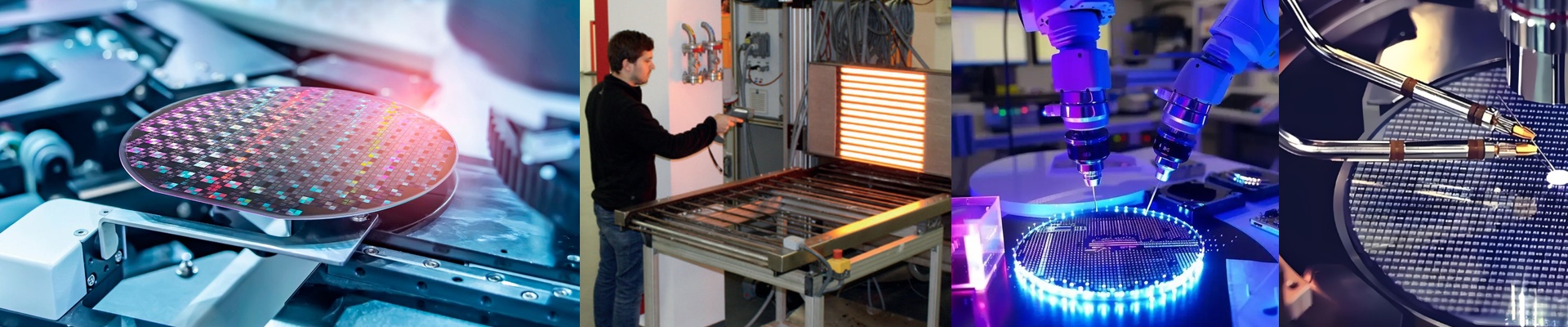
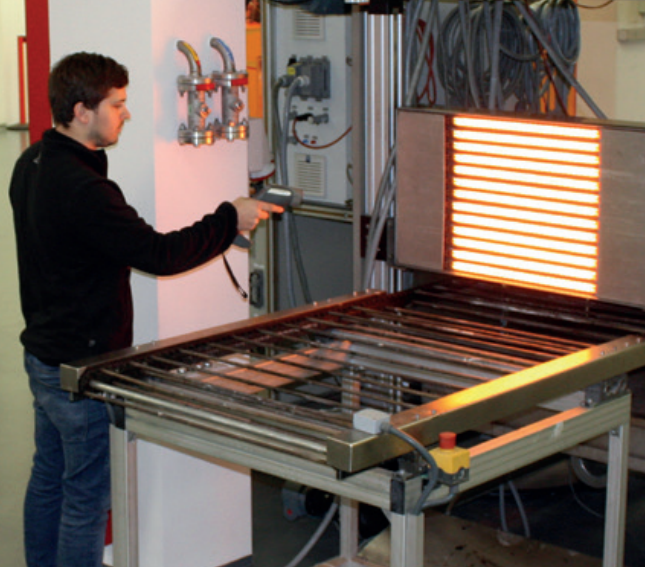
Let’s be honest: those old-school convection ovens are a drag. They’re bulky, slow, and they waste a ton of energy just heating up the air around the part. That’s why we’re seeing a big move toward infrared (IR) curing. It’s a much cleaner way to hit those “eco-friendly” and lead-free standards without slowing down the assembly line. Instead of heating the whole room, IR sends energy straight into the substrate. No more massive air-handling units taking up space in your cleanroom, and way less power leaking out the door. How the heat actually works Think of it like a microwave versus a traditional oven. IR uses electromagnetic radiation to get those molecules in the coating or resist moving fast. We use shortwave or medium-wave emitters to get things hot, and they do it quickly. The best part? You aren’t baking the entire machine chassis. You’re just heating the wafer. It’s precise. It saves money on the power bill. And it keeps the whole process lean. The “hidden” hero: Teflon wiring Here is where things get tricky. High-intensity IR heaters get scary hot in very small areas. If you use standard PVC or silicone wires, they’ll melt. Worse, they’ll “off-gas”—basically leaking chemical fumes into your cleanroom. That’s a nightmare for semiconductor-grade environments. That’s why we stick with Teflon (PTFE) insulated wiring. Teflon can take the heat. It stays stable while other plastics are literally melting away. But more importantly, it doesn’t leak those volatile organic compounds (VOCs). If you’re running a green or lead-free line, you can’t have your wire insulation contaminating your wafers. A few things to watch out for Now, Teflon isn’t perfect. It’s a bit stiffer than silicone. If you try to bend it into a tight little loop, you’re asking for a kink or a crack in the jacket. When you’re wiring up your heater bank, give it some breathing room. Leave a little slack so there’s no tension on the terminals. Also, keep your IR lamps from touching the wires directly. Even Teflon has a breaking point. If your housing isn’t vented properly, that trapped ambient heat will eventually eat away at the wire. Just a few small tweaks in how you build it, and you’ve got a system that’s fast, clean, and actually lasts.