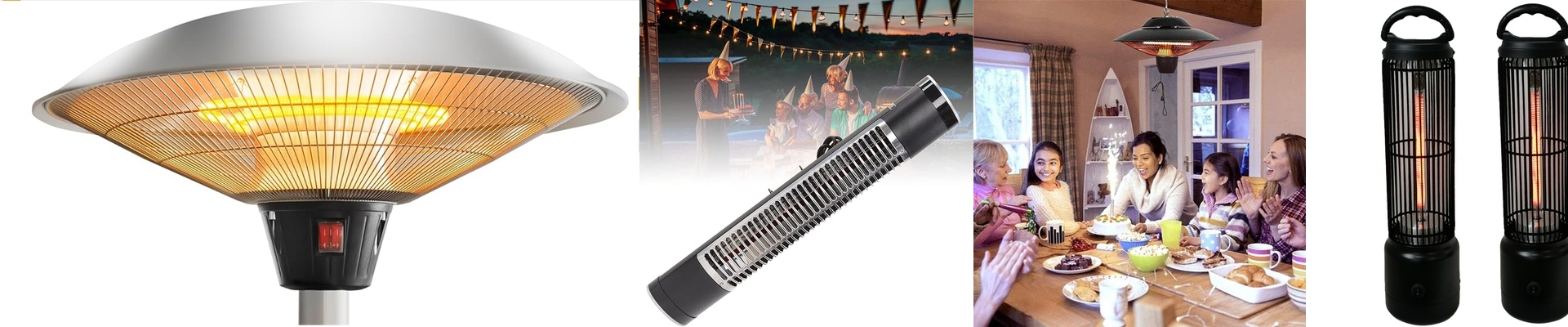
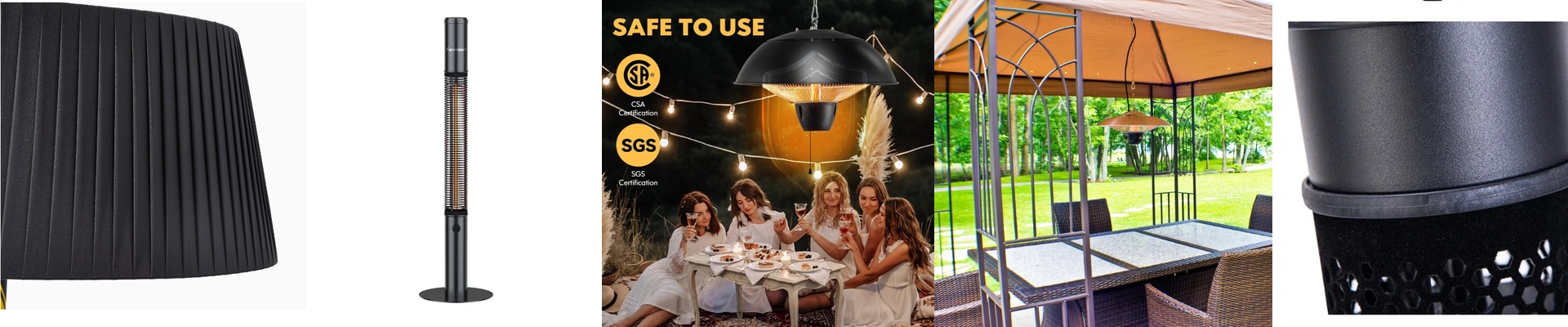
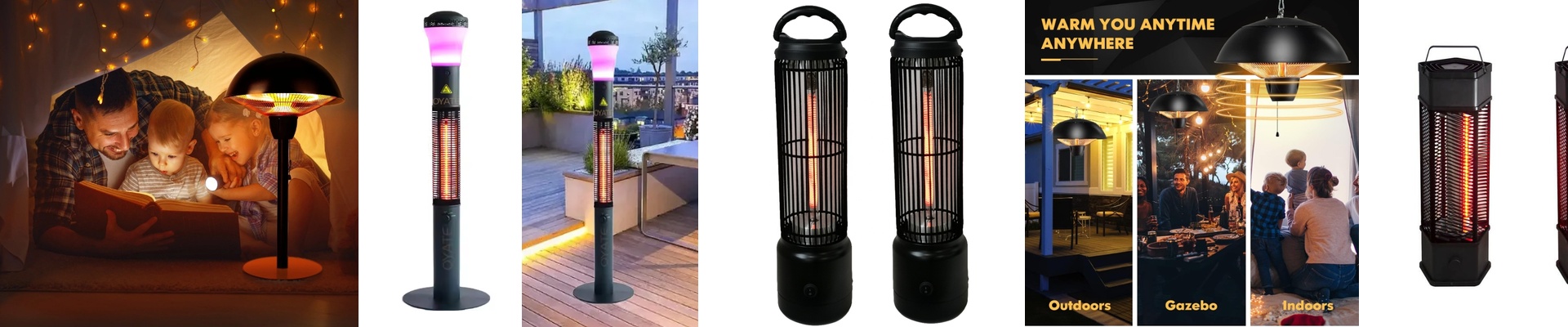
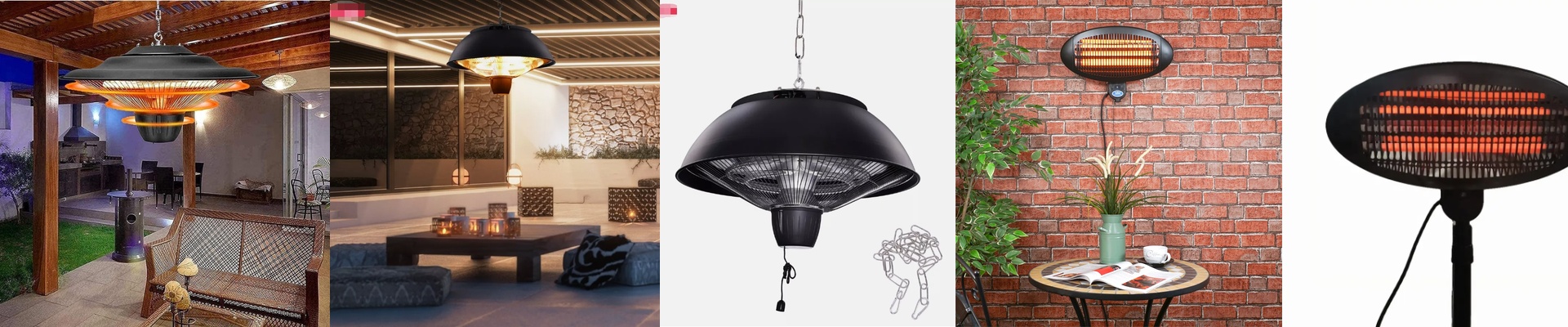
Why Most Outdoor Heaters Die (And How We Stop It)
If you’ve ever put a heater in a garden or on a patio, you know the deal. You’re fighting a losing battle against two things: condensation and rain. Here is the problem. When you stick an infrared heater outside, the temperature swings are brutal. Moisture settles on the heating element. If a stray drop of water hits a red-hot quartz tube or leaks into the wiring, the whole thing just… pops. Game over.
The “IP65” Thing (In Plain English)
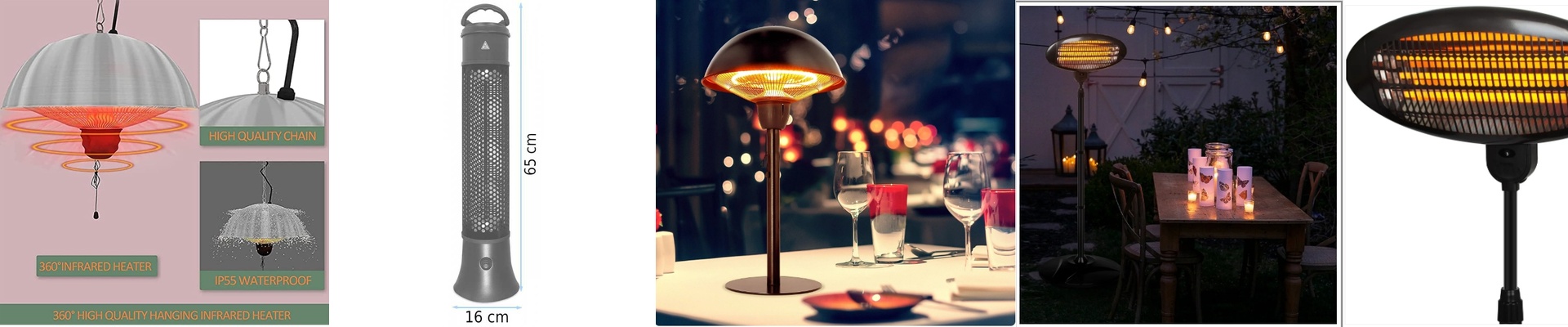
We build our units to IP65 standards, but you don’t need a manual to understand what that actually means. The “6” part means dust can’t get in. Period. The “5” means if you hit it with a water jet from any angle, it’ll hold up. We make this happen with chunky silicone gaskets and sealed cable entries. It keeps the splashes away from the guts of the machine. But we also obsess over the fog. In a humid garden, warm air hits cold metal and creates that annoying mist. If that water pools on the reflector, your heat doesn’t reach the people; it just stays trapped. We designed the housing geometry so gravity does the work for us. The moisture just rolls right out of the unit instead of soaking the circuitry.
Heat, Cold, and the “Crack”
Thermal shock is the real killer. Imagine a tube sitting at 500°C. A sudden rain shower hits it. Most glass would just shatter. To stop that, we use a specific grade of quartz. It handles the expansion and contraction of rapid temperature changes without snapping. And then there’s the reflection. We use gold-plated or polished aluminum because it doesn’t rust or pit when things get damp. If your reflector gets cloudy or oxidized, you’re basically wasting electricity.
A Quick Warning on Installation
Now, there’s a trade-off. Because the unit is sealed tight to keep the water out, it doesn’t “breathe” like an open-frame heater. Heat builds up inside the housing a bit faster. Because of that, you have to be smart about how you hang it. Use the mounting brackets to make sure the unit allows for vertical drainage. If you mount it upside down or at a weird tilt, water will sit on the seals. That’s a recipe for a shorter lifespan. Keep it angled right, and it’ll keep you warm for years.