
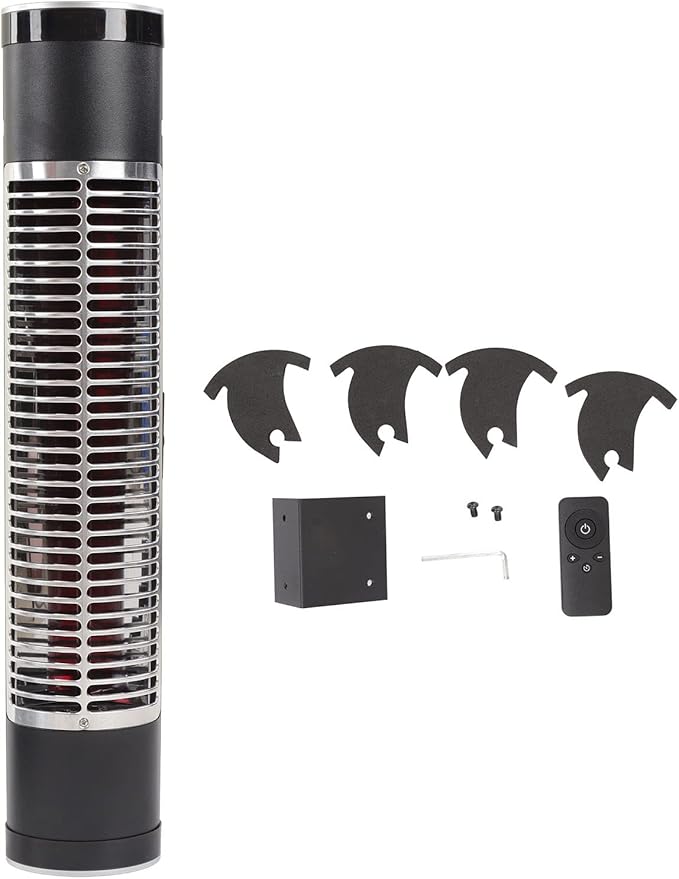
Stop the Bathroom Mold Battle with Infrared Heat
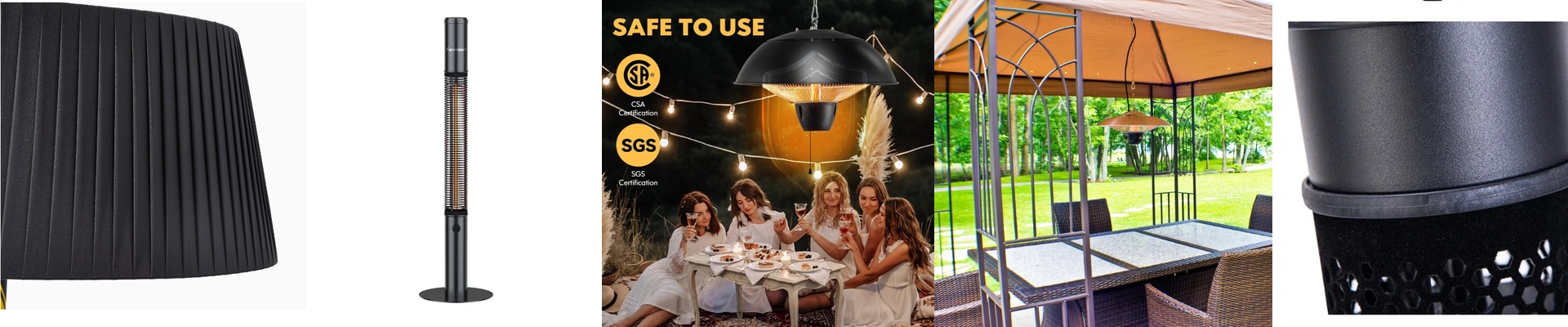
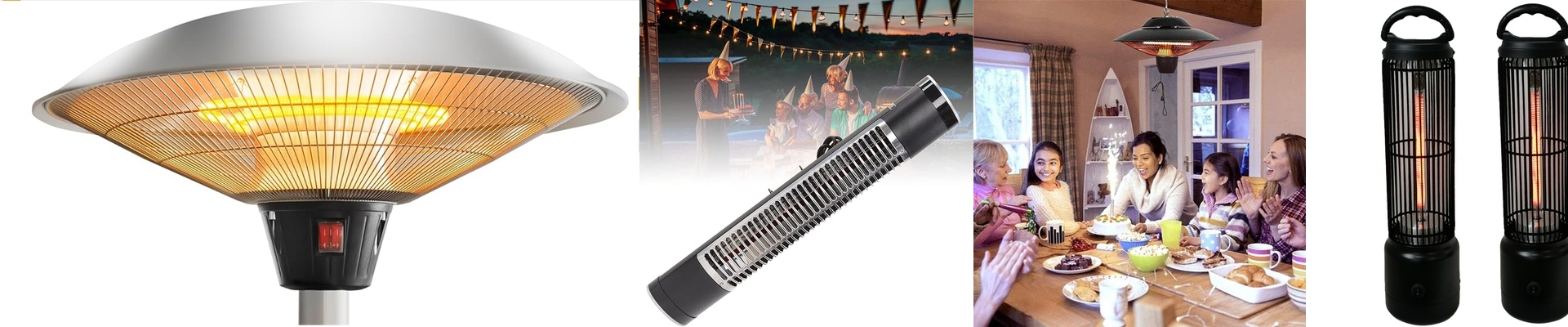
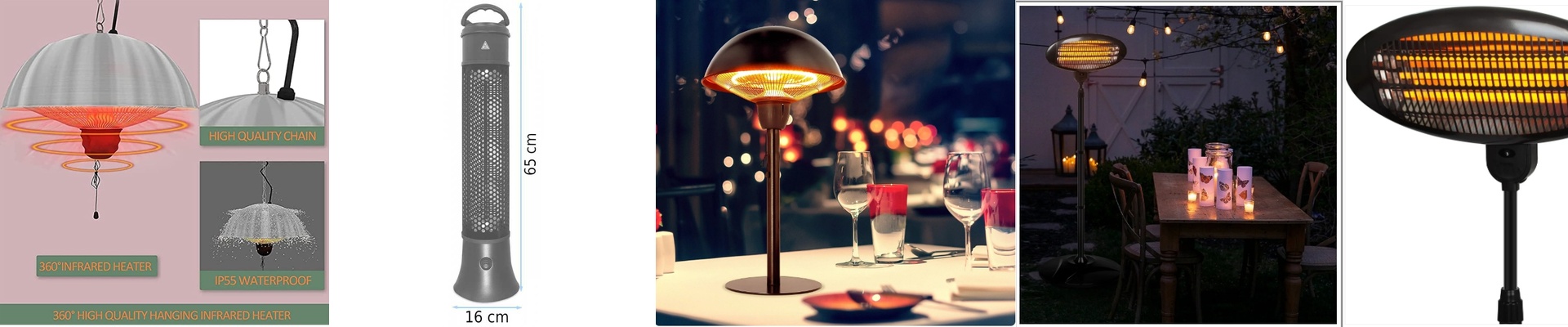
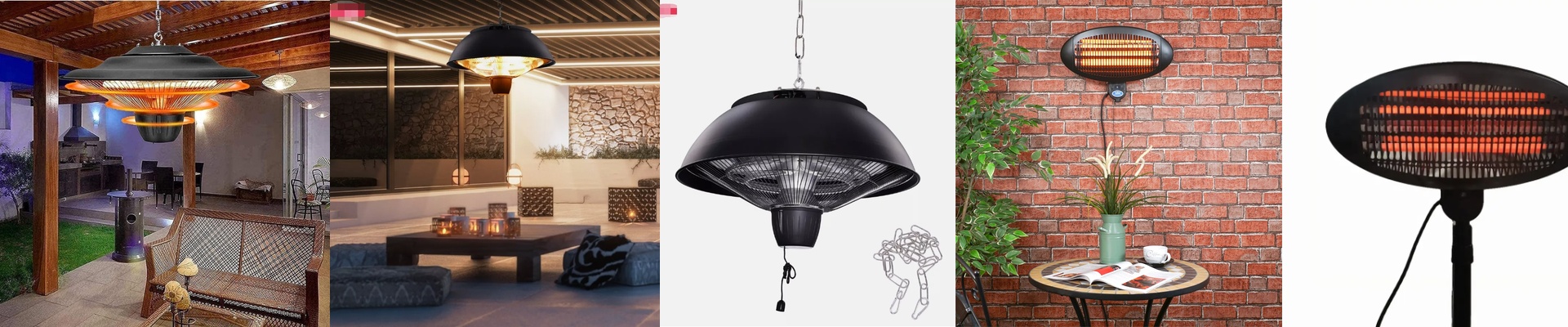
Most people look at those infrared lamps in the bathroom and just think, “Oh, a heater. Nice and cozy.” But there’s a lot more going on under the hood. We actually build these things to tackle a much nastier problem: moisture.
How it actually works
Think about a regular space heater. It warms up the air. The problem is, air is pretty bad at moving heat around. Infrared is different. It sends out waves that hit your walls and ceiling directly. Instead of waiting for the air to get warm, the energy goes straight into those tiny water droplets clinging to your paint and grout. It evaporates them almost instantly, before they have a chance to soak in and start a mold colony.
Killing the mold’s vibe
Mold is picky. It needs two things to survive: something to eat and a damp place to sit. By keeping your walls warm, we basically move the “dew point.” If the wall is warmer than the air around it, water can’t condense. No condensation means no damp spots. And no damp spots means mold has nowhere to live. We use quartz envelopes for the lamps to keep the heat steady. If the light flickers or the power dips, you get cold spots. Those cold spots are exactly where the condensation starts, and that’s where the mold wins.
The “Don’t Overdo It” Part
You might think, “Great, I’ll just get the most powerful lamp possible.” Hold on. If you crank the wattage too high, you risk scorching your paint or melting your plastic fixtures. It’s all about balance. You have to match the lamp’s power to the actual size of your room. Overdoing it just wastes electricity—or worse, trips the breaker in an old house. A couple of pro tips: Put these on their own dedicated circuit. Cheap sockets can’t always handle the constant heat load and might burn out. Also, keep the reflectors clean. A little bit of dust blocks the heat waves, and suddenly your “mold-killer” is just a fancy lightbulb.