How to Actually Heat an Outdoor Space (Without Wasting Your Money)
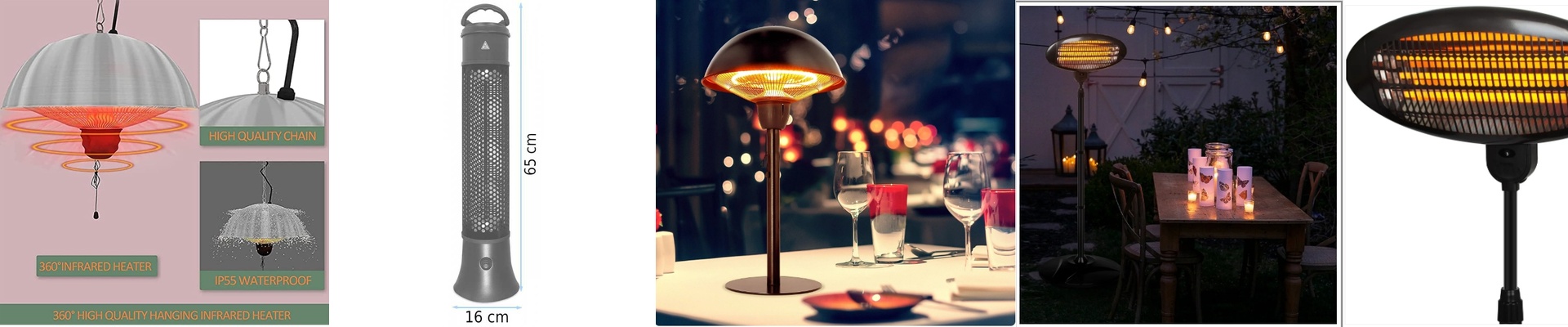
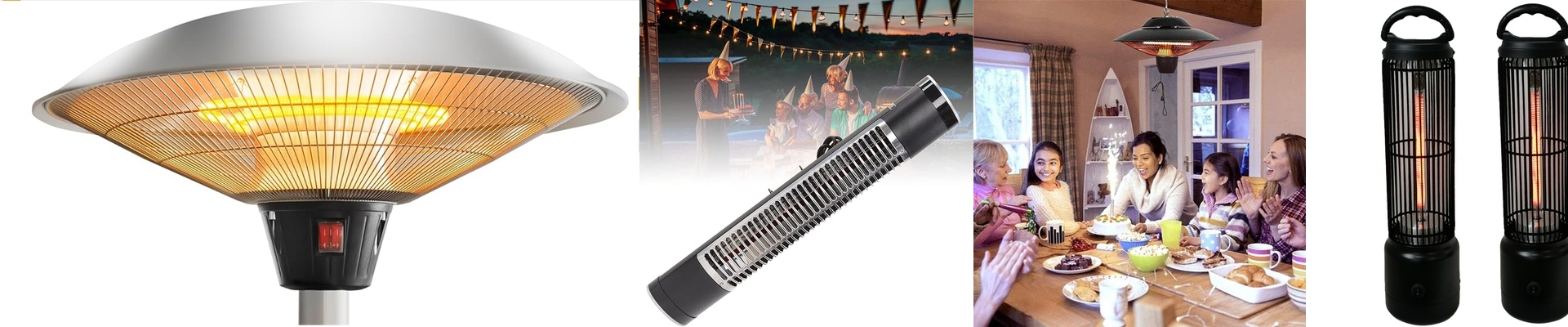
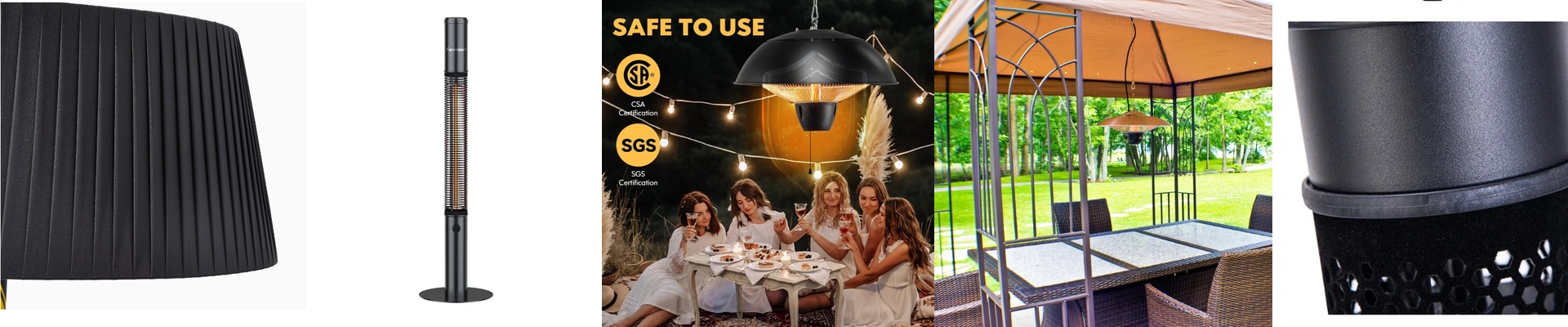
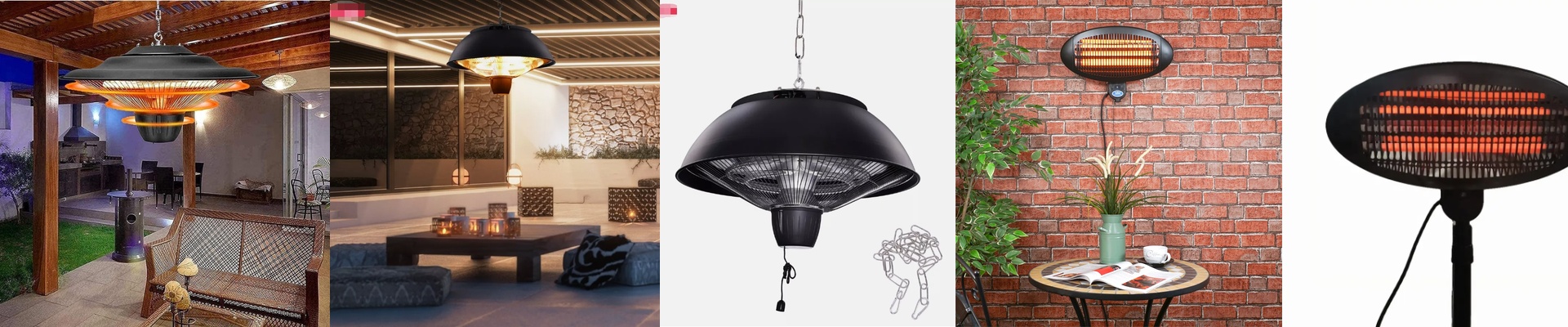
If you’ve ever tried to heat a drafty changing room or an open patio, you know the struggle. You turn on a heater, but the wind just carries all that warmth away. It’s frustrating. And honestly? It’s a waste of electricity. That’s why we don’t bother heating the air. Instead, we use short-wave infrared. Think of it like the sun. You can feel the sun’s warmth on your skin even when the air around you is freezing. That’s exactly how these heaters work. They target people and objects directly. You flip a switch, and you’re warm in seconds. No waiting around. The tech behind the warmth Most heaters rely on fans to push hot air around. But these units are different. They send out electromagnetic radiation that travels at the speed of light. It doesn’t actually become “heat” until it hits something—like your shoulders or a chair. Because it’s a direct hit, the temperature spike is almost instant. It’s a huge relief when you’re shivering in a cold zone and suddenly feel that wave of heat. Dealing with the elements Let’s be real: outdoor gear takes a beating. Between the dust, the humidity of a locker room, and the occasional rain shower, electronics usually stand no chance. That’s where the IP55 rating comes in. In plain English, it means the housing is built to keep dust out and can handle water jets coming at it from any angle. It keeps the guts of the machine dry and prevents short circuits. Just a heads-up, though—if you’re installing these right on the coast, keep an eye on the housing material. Salt air is brutal and can eat through some metals over time. A few things to keep in mind Getting the installation right is key. First, your wiring needs to be solid. If the power supply dips, your heating element won’t hit full strength. Then there’s the placement. This stuff is intense. If you mount the heater too low, you’re going to cook your guests. Too high, and you lose that “instant” cozy feeling. It’s all about finding that sweet spot. One last thing: infrared doesn’t “store” heat. The second you kill the power, the warmth is gone. Also, make sure your electrical panel can handle the load. When several of these units kick on at once, they pull a lot of current. You don’t want to trip a breaker right as the party starts.