Stop Turning Your Clean Room Trolleys Into Ovens
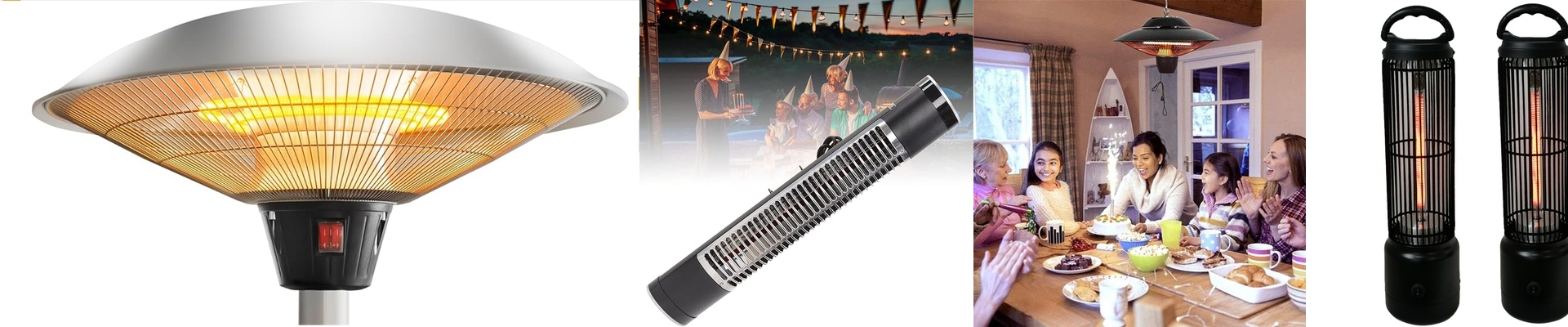
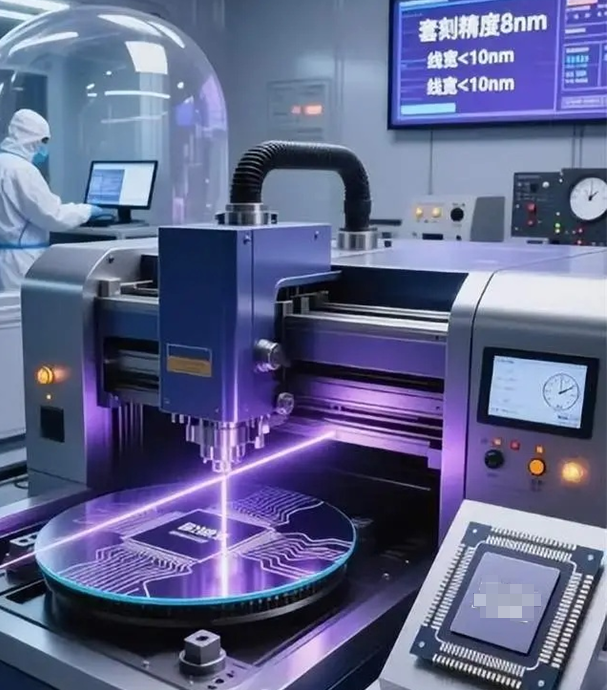
Most heating elements just blast heat in every direction. In a semiconductor clean room, that’s a recipe for trouble. When you use those old-school heaters, the internal walls of your equipment just soak up all that wasted energy. The result? A chassis that’s way too hot to touch and sensitive components that start warping because of thermal expansion. It’s a mess.
Getting the Heat Where It Actually Belongs
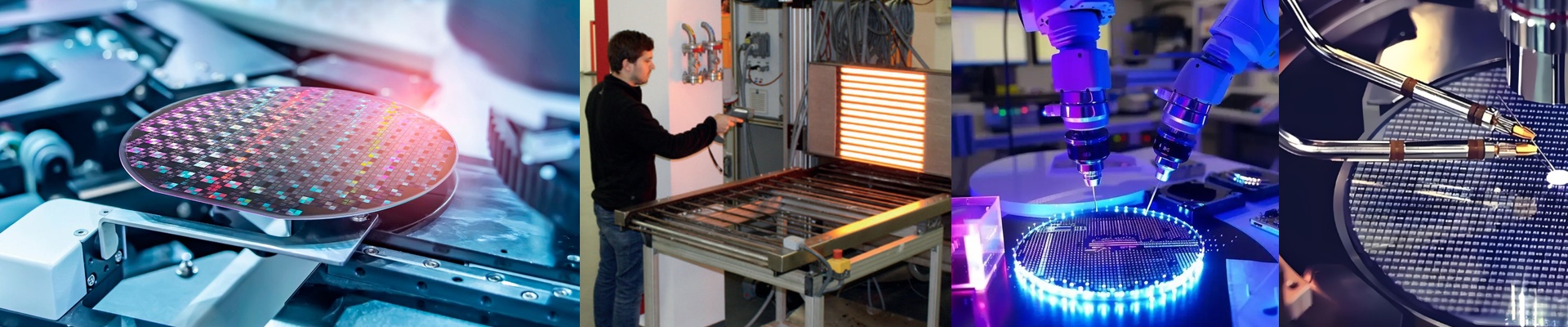
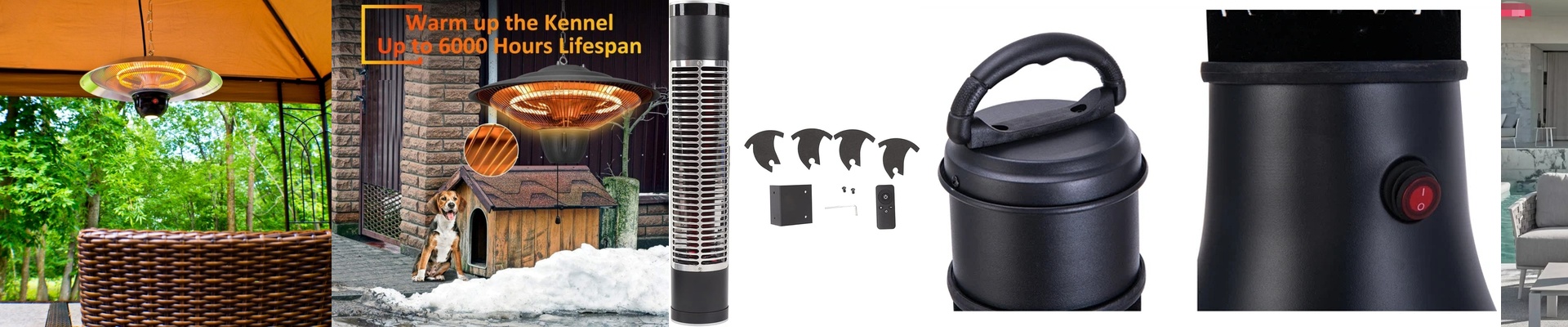
We handle this by moving over to directional infrared (IR) tech. Think of it less like a space heater and more like a flashlight. Instead of trying to warm up the air or the metal shell, IR lamps send electromagnetic radiation straight to the workpiece. The energy only moves when it hits a surface that can actually absorb those wavelengths. By using lamps with reflective backing or focused quartz envelopes, we can push the heat forward. It stops that “oven effect” inside the trolley. You get your wafers or substrates up to temperature, but the outer casing stays cool.
Keeping Your Team Safe
Cutting down the heat on those equipment walls isn’t just about saving a few bucks on the power bill. It’s about the people using the machines. When the walls stay cool, you don’t have to worry about someone getting a nasty contact burn while loading parts or doing a quick maintenance check. But you have to be smart about the wattage. High-density IR lamps hit their target fast—really fast. But if you go overboard with the power and skip the shielding, that heat will still find a way to creep into the frame. I usually suggest pairing these lamps with gold-plated or polished aluminum reflectors to keep the beam tight.
The Trade-off
Switching to directional heating is usually a pretty easy swap for older systems, but it does change how the machine breathes. Because the heat is so concentrated, you might run into “cold spots” if the workpiece isn’t sitting exactly where it should be. Your jigging has to be spot on. If the positioning is off by even a little, you’ll end up with uneven heating.