Stop Heating Your Machine Walls (And Start Heating Your Wafers)
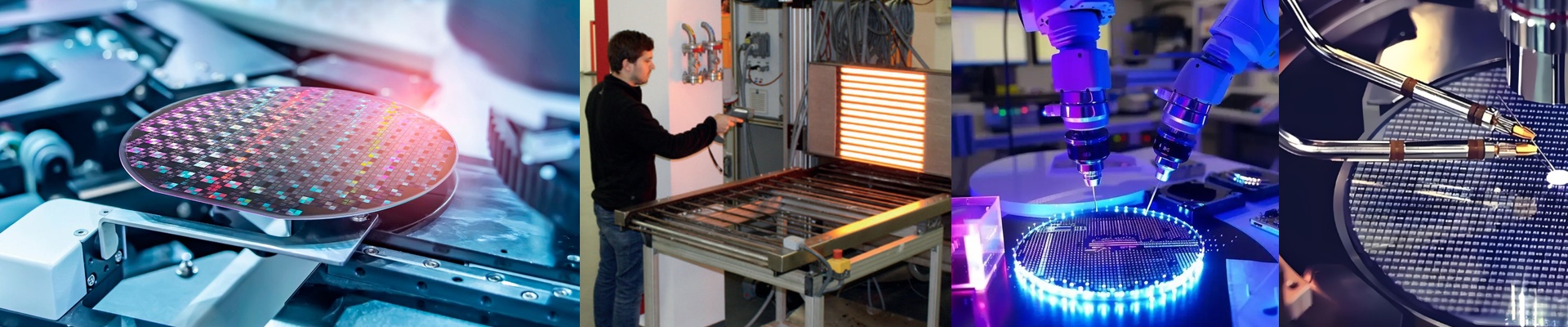
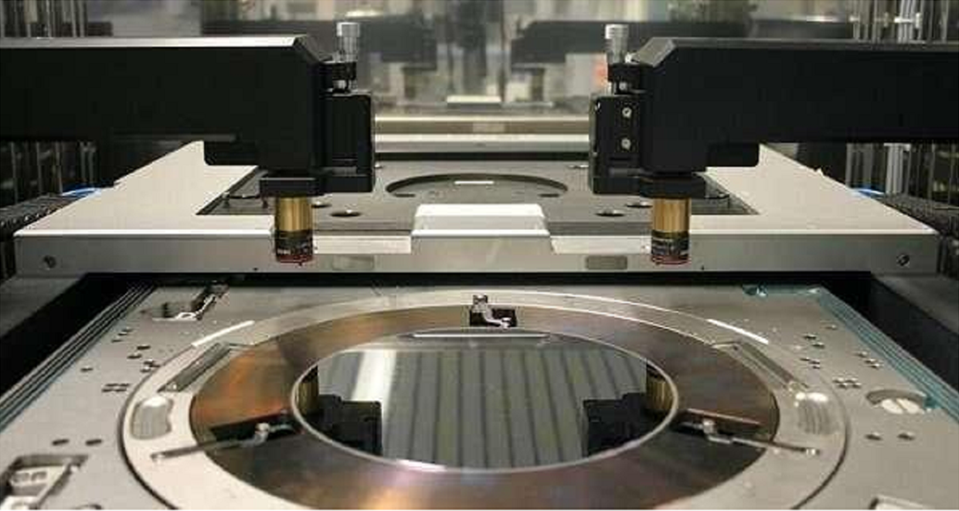
Ever noticed how the walls of a semiconductor chamber can get scorching hot? It’s a frustratingly common problem. Most heating setups just blast energy in every direction, which means you’re spending a ton of power heating up the machine’s chassis instead of the actual wafer. It’s a waste. That’s why we use directional infrared (IR) heating. How it actually works Think of it like the difference between a lightbulb and a flashlight. Instead of letting heat spray everywhere, directional IR lamps focus the beam. We control the angle so the energy goes exactly where it needs to go. The result? Your expensive tools don’t act like giant sponges for unnecessary heat. You get the temperature you need on the workpiece, and the housing stays cool. Safety and your electric bill When the walls aren’t burning hot, everyone breathes easier. Your technicians can do maintenance or quick checks without worrying about getting a nasty burn. Plus, there’s the money side of things. You stop paying to heat a metal frame that doesn’t need to be hot. One thing to watch out for, though: because we’re focusing all that energy into a tight beam, the heat at the focal point is intense. If your substrate is a bit finicky, you’ll want to tweak the lamp distance and pulse frequency. You don’t want to accidentally create hot spots. Getting it set up We designed these lamps to be a simple swap. You shouldn’t have to rip apart your entire chamber or redesign your layout just to get them in there. But here is the catch:alignment is everything. If the lamp shifts even a few degrees, that heat starts creeping back into the walls. To keep things steady, just pair them with a precise PID controller. It keeps the output rock solid so you can stop worrying about it.