
The Tug-of-War Between Heat and Distance in Wafer Heating
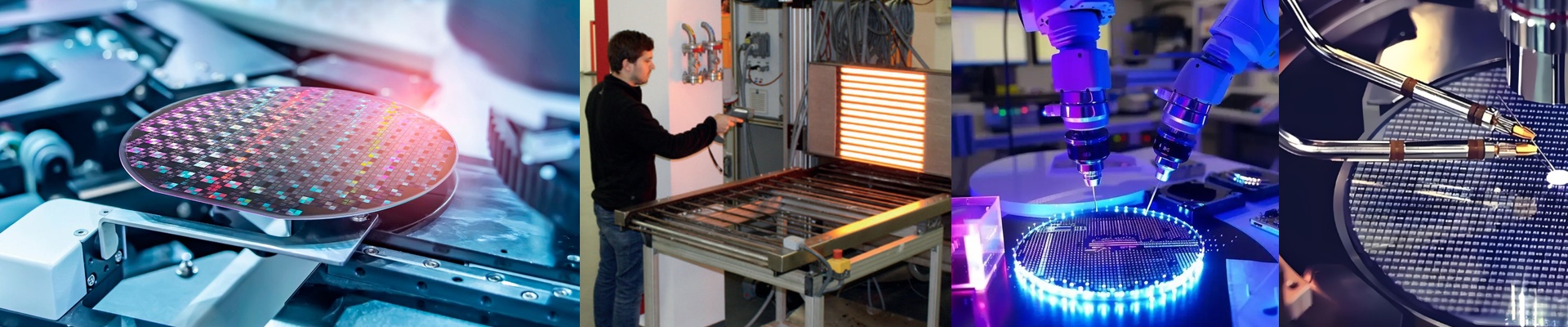
If we actually want to shrink the carbon footprint of semiconductor fabs, we have to stop relying on those old resistive furnaces. They’re energy hogs. Switching to Short-Wave Infrared (SWIR) systems is the way to go because IR lamps hit the wafer surface directly. No more wasting energy heating up the air around the part. But here’s the tricky part: the gap between your lamp and the wafer is everything. It’s the difference between a perfect run and a ruined substrate.
Finding the “Safe” Spot
When we talk about safety distance, it’s not just about making sure the lamp doesn’t physically touch the wafer. It’s all about managing how that heat actually hits the surface. If you mount the lamp too close, you get these nasty “hot spots.” One minute you’re heating, the next you’ve warped the wafer or caused thermal stress fractures. Not great. But you can’t just push the lamp far away to be safe. If the gap is too wide, your energy starts leaking. It hits the chamber walls instead of the silicon. That kills your efficiency and makes your “green factory” goals feel like a pipe dream. Usually, we figure out the distance by looking at the lamp’s wattage and how fast we need to ramp up the heat. A tighter gap gives you a sharper thermal spike. It’s fast. Really fast. But your control system has to be lightning-quick to kill the power before the temperature overshoots the mark.
The Hidden Cost of Wasted Heat
Old-school heating is like trying to warm up a single pea by heating the entire kitchen. IR systems are different—they target the silicon. When you nail the safety distance, you stop “stray” radiation from bouncing around and hitting the machine chassis. This is a huge win for the facility. Why? Because your HVAC system doesn’t have to work overtime to cool down a cleanroom that’s being blasted by wasted heat.
The Engineering Headache
You might think, “Why not just use high-density IR arrays and crank up the wattage to make up for a larger gap?” Trust me, don’t do that. Pushing the wattage too hard just burns out your filaments faster and puts a massive strain on your electrical load. Plus, your cooling infrastructure will start screaming under the pressure. It’s all about finding that sweet spot. You want a distance that keeps the wafer temperature uniform without forcing your lamps to run at 100% capacity all day. That’s where the real efficiency happens.