

Stop Wasting Your Heat: Why Gold Reflectors Actually Matter
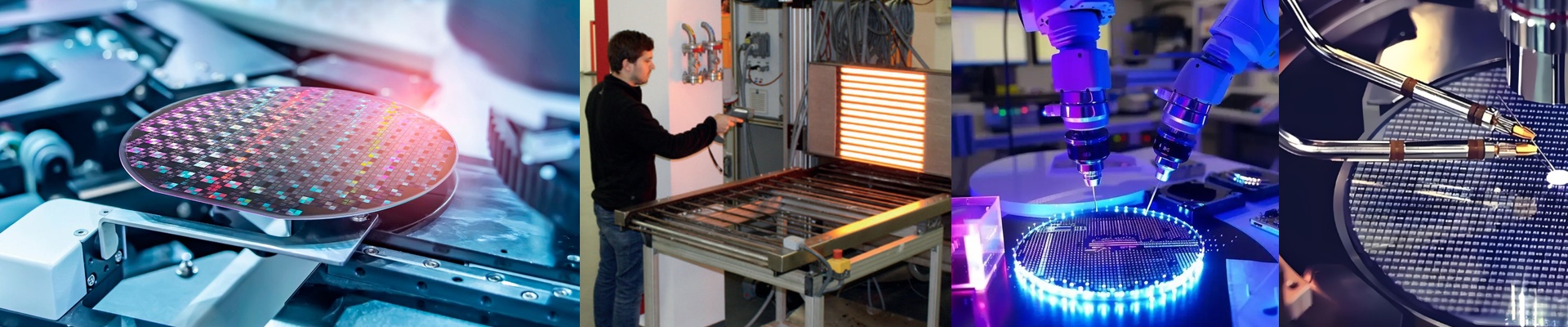
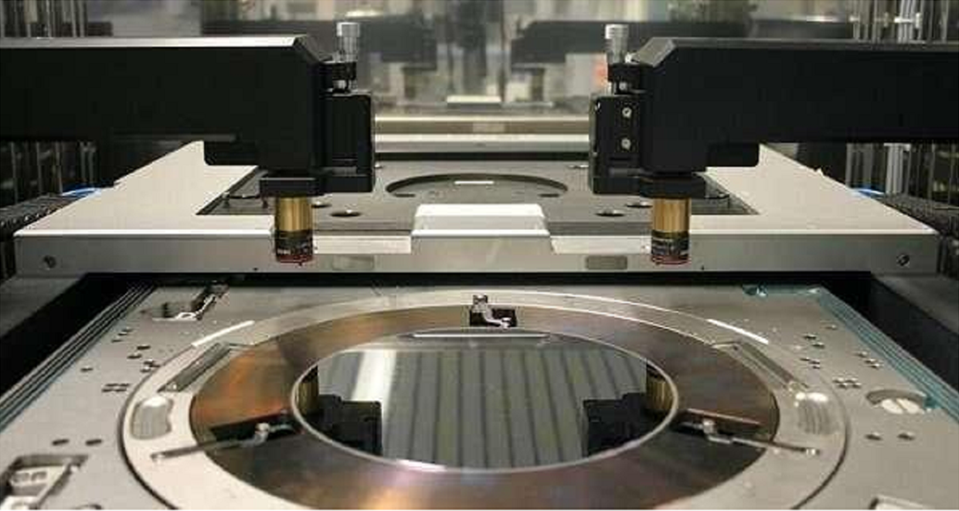
If you’ve ever worked with smart sensor packaging, you know the struggle of getting wafers up to temperature. Most infrared lamps are basically lightbulbs—they throw energy in every direction. Which means about half of the power you’re paying for is just heating up the inside of your machine. It’s a total waste. That’s where gold-coated reflectors come in. Instead of letting that heat wander off, we bounce it right back onto the wafer. Why gold? It sounds fancy, but it’s really just about the physics. Gold reflects up to 98% of infrared radiation. Aluminum and stainless steel just can’t keep up. By lining the housing with a high-purity gold layer, we make sure every single watt is actually doing its job. You get the surface temperatures you need without having to crank the voltage to the max. And because the energy is so focused, you don’t end up cooking your jigs and clamps. When the heat goes exactly where it’s supposed to, things happen faster. Your wafers hit their target temperature in less time, which means your cycle times drop. It’s a win for the workflow. But here’s the catch: you have to be precise. Since the energy is so concentrated, a mistake of just a few millimeters in your reflector geometry can create “hot spots.” Nobody wants uneven curing or thermal stress on a wafer. You’ve got to get the lamp distance and the angle just right to make sure the heat is spread evenly across the whole surface. One last thing—these reflectors are tough, but they aren’t magic. Dust and grime are the enemy here. If the gold surface gets dirty, your efficiency tanks. A quick wipe-down with a non-abrasive solvent is all it takes to keep everything running smooth.