
Stopping the Nightmare: How to Keep Your IR Lamps from Bursting
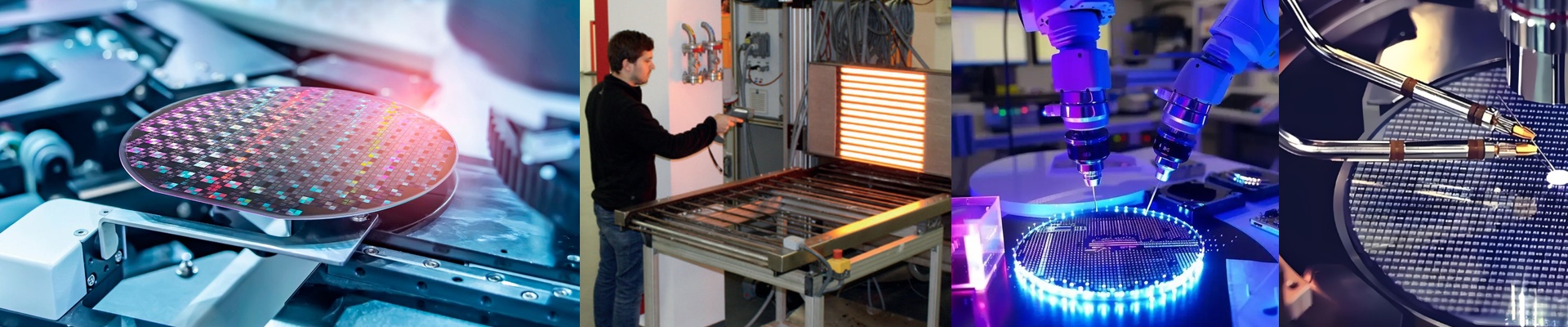
If you’ve ever had an infrared lamp burst during a high-load run in a semiconductor fab, you know it’s a total disaster. It isn’t just about the lamp going dark. It’s the mess. You’ve got quartz shards and chemical gunk raining down on your wafers, killing your yield instantly. It’s a headache no one wants. That’s exactly why we build our gold-coated IR lamps the way we do. The secret is in the gold. We put a thin layer of gold on the quartz envelope to change how the heat moves. Instead of just blasting energy everywhere, the gold reflects it back toward the wafer. This means you get a higher heat density without having to crank the wattage up to dangerous levels. When you push production to the limit, lamps usually sweat. If there’s a tiny flaw in the quartz or it gets too hot, the internal pressure spikes and—pop. By using gold, we keep the temperature more even across the tube. No “hot spots,” no structural failure. Just steady, reliable heat. But it’s not just about the burst. Avoiding a crash is step one. Step two is keeping things clean. We use high-purity synthetic quartz because it can take a beating during those rapid thermal cycles. We also bond the gold layer so it doesn’t flake. Because if that coating peels? You’ve got particles on your chips. And that’s a non-starter. One thing to keep in mind: gold changes the thermal footprint. Since it reflects heat, some of that energy heads back toward the lamp housing. You’ll want to make sure your cooling manifolds are up to the task. If your airflow is weak, the ends of the lamp will overheat, and your seals will fail way sooner than they should. A quick word of caution. These lamps are powerhouses for rapid curing and baking, but they have a weakness. The gold layer is delicate. Please,use gloves. A single scratch during installation can create a tiny heat imbalance. It might not break the lamp today, but it’ll eat away at the lifespan over time. Treat them gently, and they’ll take care of your yield.