
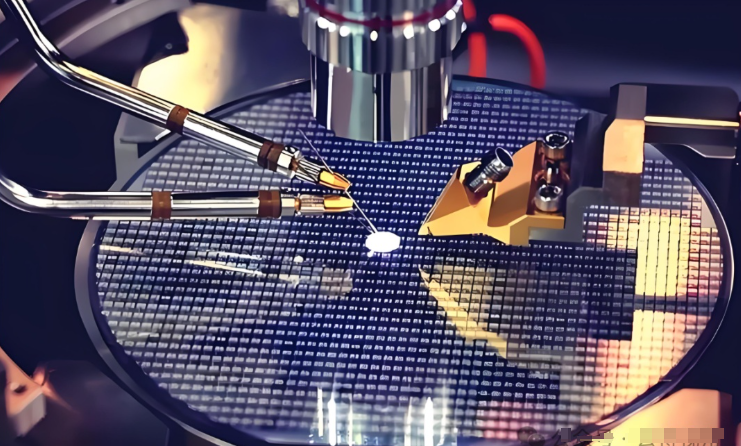
Getting MEMS Wafer Drying Right
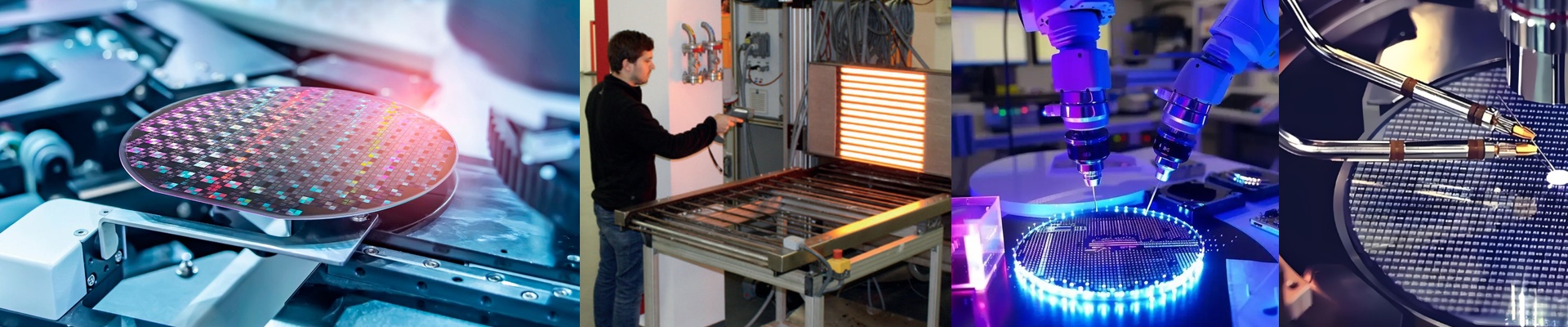
Drying MEMS sensor wafers is a bit of a tightrope walk. If you don’t get the heat distribution just right, surface tension kicks in, you get stiction, and suddenly your delicate sensor membranes are ruined. To stop that from happening, we use specialized infrared (IR) heating elements. The goal is simple: flash-evaporate the leftover liquids instantly, but do it without cooking the sensors.
The Heat Struggle
Here’s the thing about power density. You need the temperature to be dead-on across the entire wafer. If one spot is hotter than the rest, the wafer warps. Simple as that. We build these heaters with high wattage density so they ramp up fast. But there’s a catch. While high power lets you shave time off your drying cycle, it puts a lot of pressure on your power supplies. Just double-check that your electrical feed can actually handle that initial surge of current when the heat kicks in.
Keeping it Clean
In a fab, contamination is the nightmare. One tiny flake of metal and the whole batch is trash. That’s why we house the heating filaments in high-purity quartz tubing. It stops outgassing and keeps any metallic junk from leaching into your MEMS structures. We stick with tungsten for the filaments because it doesn’t quit—it has a massive melting point and stays stable. We stay far away from those cheap alloys that flake or oxidize after a few weeks of use.
The Real-World Trade-offs
We designed these to be drop-in replacements for standard drying modules. We even beefed up the connectors so the lamps don’t rattle loose when the machine starts vibrating. But you still have to manage the balance between speed and stress. It’s tempting to just crank the voltage to dry things faster, but that’s how you get thermal shock. You’ve got to find the sweet spot between the lamp’s output and your conveyor speed. If you don’t, you’ll start burning the edges of your wafers. And a word of advice: don’t over-spec the heater for your footprint. If the heater is too powerful for the space, your cooling fans will be screaming at 100% just to keep the housing from melting.