Don’t let a faulty lamp kill your bio-sensor batch
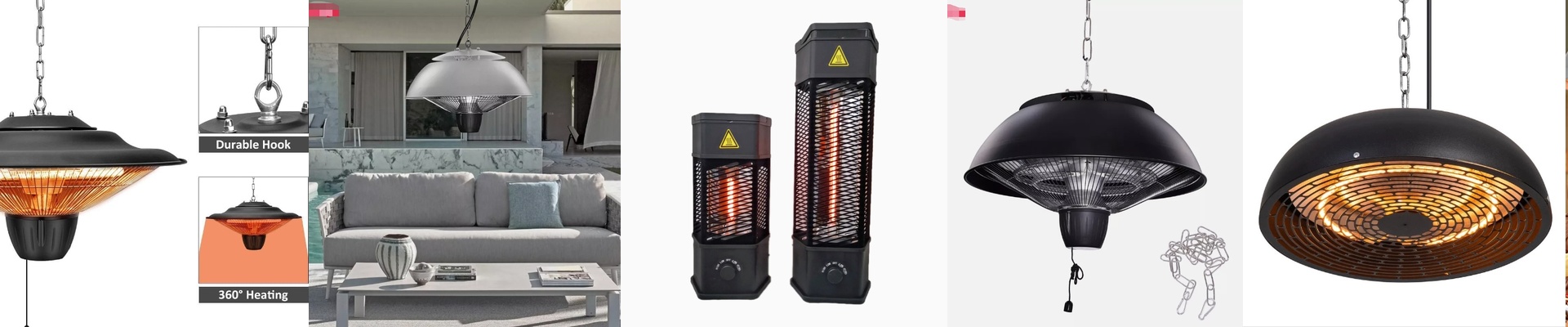
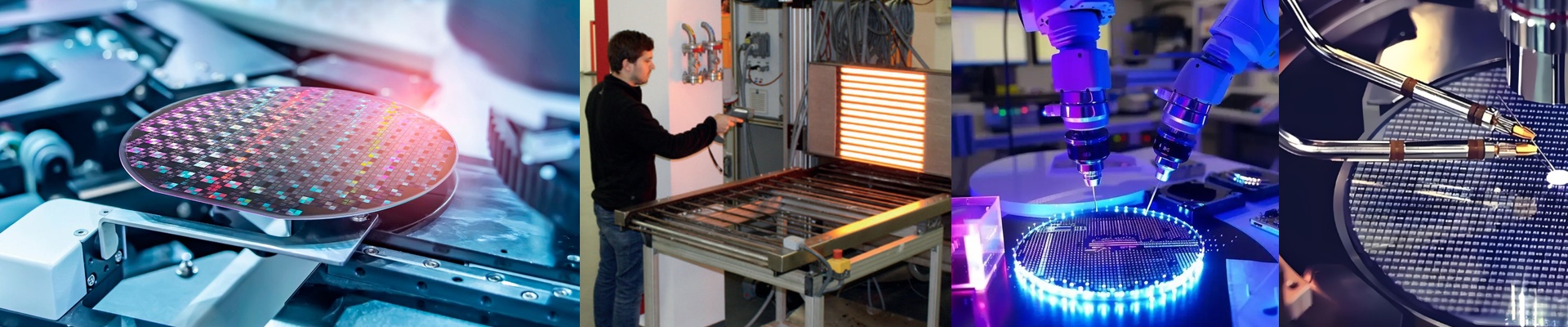
When you’re fabricating bio-sensors, the heat has to be spot on. Just one electrical arc or a tiny slip in insulation within your IR array, and you’re looking at a ruined batch of sensors—or worse, a fried control board. That’s a nightmare nobody wants. That’s why we don’t take shortcuts. We put every single tube through voltage withstand and insulation resistance tests before it even leaves our shop.
Why we test everything (not just a few)
A lot of shops just “sample” their batches. They test a few lamps, assume the rest are fine, and ship them out. We don’t do that. Every single lamp gets a high-voltage leak test. We hit them with a voltage way higher than what they’ll actually see in your machine. We’re looking for the tiny things—a microscopic crack in the quartz or a seal that isn’t quite clean. It’s much better for a lamp to fail on our floor than to blow up in your equipment.
Keeping the noise out
Insulation resistance is basically the only thing standing between a working heater and a short circuit. We measure the resistance between the live element and the casing. This is a big deal for bio-sensor lines because everything is usually packed so tight. If current leaks, it creates electrical noise that messes with your sensitive measurement gear. By sticking to strict megohm thresholds, we make sure your chassis stays quiet and safe.
A quick word on the hardware
There’s always a trade-off. To get the kind of dielectric strength needed for high-wattage tubes, we use specific quartz grades and sealants. They handle the heat beautifully, but they can be a bit brittle. **Here is the catch:**if you over-tighten your mounting brackets, you’ll crack the quartz. It doesn’t matter how much we tested it at the factory; a tight clamp will bypass all those safety measures. Just make sure your fixtures leave a little room for the metal to expand as it heats up. We’ll send over the data sheets for every batch. You can double-check the insulation values against your own safety specs before you start wiring things up.